
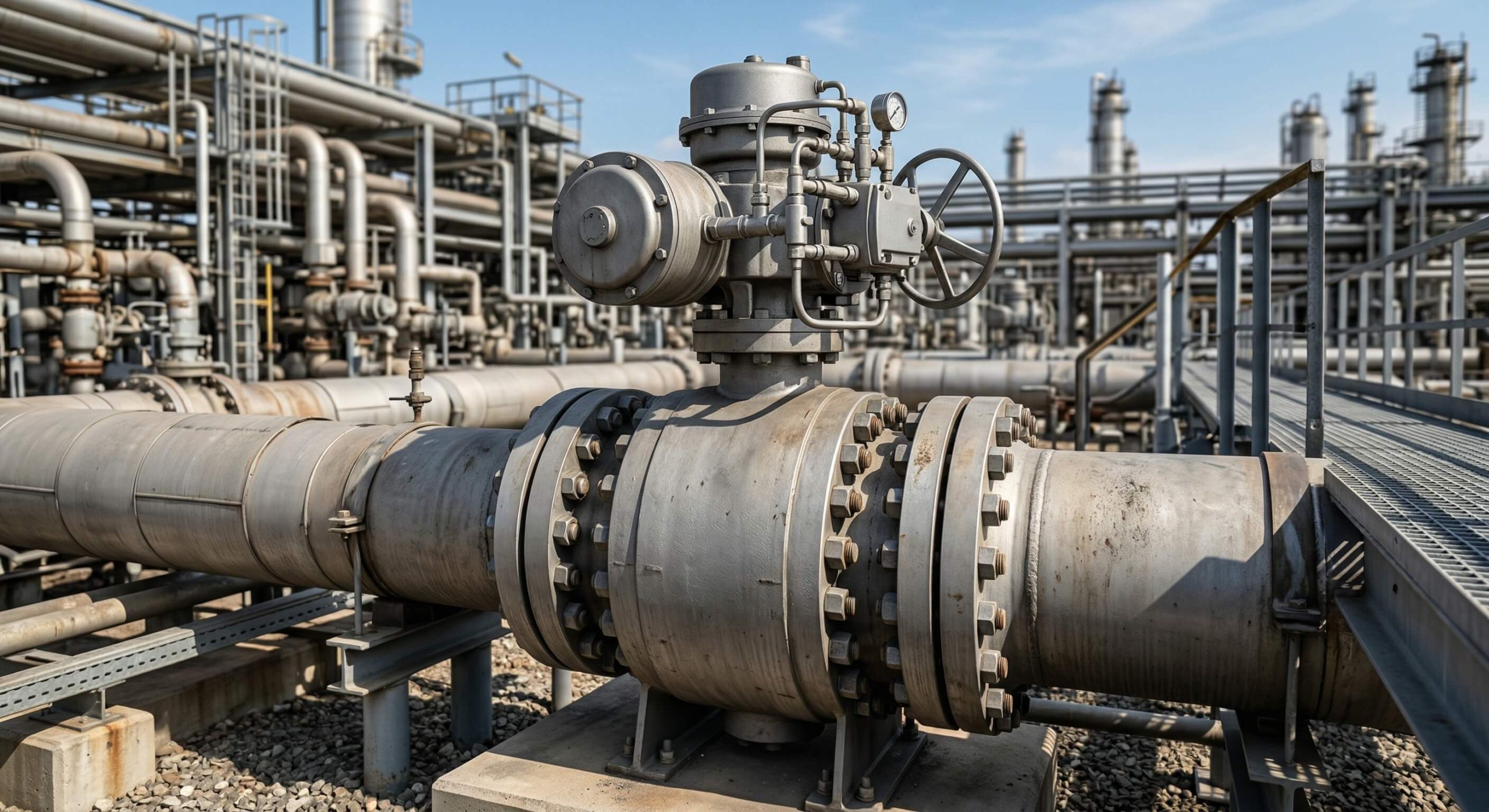
To choose the right butterfly valve, you must accurately evaluate fluid types. You might face unexpected leaks or system failures from improper equipment choices. These disasters cause massive downtime and ruin expensive factory infrastructure completely. A systematic butterfly valve selection guarantees a perfect match for your pipeline. This prevents catastrophic failures and protects your daily operations.
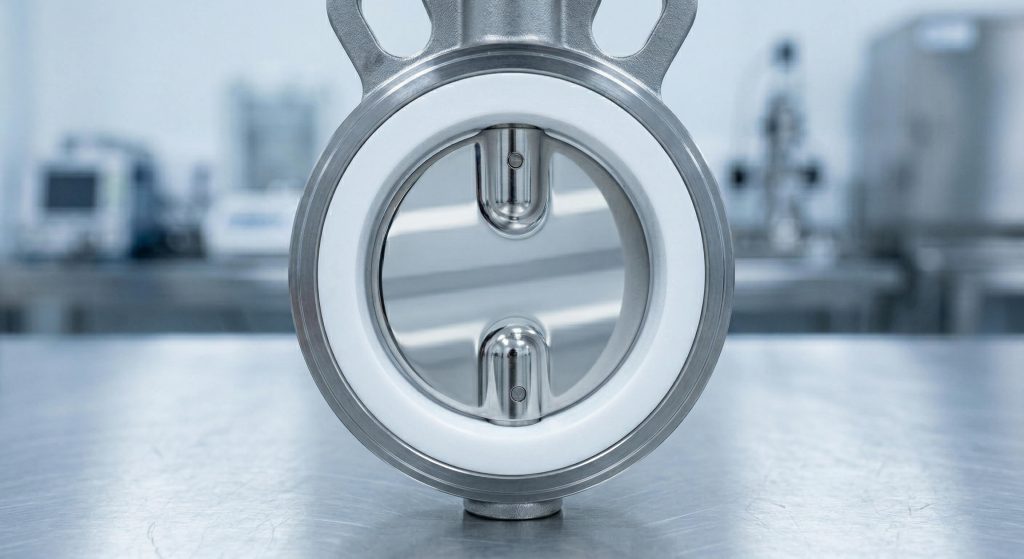
1. What Fluids Affect butterfly valve selection?
Fluid characteristics determine your exact required component materials and structural designs. A proper butterfly valve selection heavily relies on understanding your specific flow media. You need appropriate seals for preventing premature equipment wear.
Does Viscosity Play a Role?
Here’s the deal: Viscosity directly changes how a disk rotates internally.
- High viscosity requires wider internal clearance.
- Low viscosity needs extremely tight seals.
- Abrasives will destroy standard seat components.
Matching Fluid and Valve
Viscous materials create excess friction against internal moving parts over time. A specialized disk profile reduces this operational drag significantly.
Avoiding Corrosion Issues
Highly corrosive acids demand specialized PTFE coatings for safe daily operations. Key Takeaway: Always match internal parts directly with your flowing medium profile.
| Fluid Property | Negative Impact | Suggested Component |
|---|---|---|
| High Heat | Melts soft rubber | Metal seals |
| Strong Acids | Erodes standard metals | PTFE lining |
| Solid Particles | Wears down disks | Hardened alloys |
This table shows how specific liquid properties dictate required component materials.
2. How Does Application Alter butterfly valve selection?
Specific industrial uses dictate exact pressure and temperature handling capabilities required. An accurate butterfly valve selection prevents catastrophic failures during peak operational hours. You must consider daily usage frequency before making your final purchase.
High-Pressure Environment Needs
You might be wondering: how do extreme pressures affect component longevity?
- Extreme pressure demands double offset designs.
- Low pressure operates well with zero offset.
- Vacuum systems require specialized sealing rings.
Frequency of Daily Operations
Constant opening and closing cycles degrade weak rubber seals very quickly. Heavy usage applications demand highly durable pneumatic or electric actuators.
Handling Unique Industry Demands
Some sectors require sanitary conditions while others manage thick muddy sludge. Key Takeaway: Your daily operational environment dictates required structural durability.
| Application Type | Primary Challenge | Ideal Solution |
|---|---|---|
| Constant Cycling | Fast seal degradation | Heavy-duty actuators |
| High Pressure | Structural blowouts | Double offset designs |
| Sludge Handling | Disk blockages | Wide clearance bodies |
This table shows how different industrial applications require specific structural solutions.
3. Why Is Size Critical for butterfly valve selection?
Incorrect dimensions cause severe flow restrictions and dangerous pipeline pressure drops. Accurate butterfly valve selection guarantees superior fluid transfer rates across your facility. Precise measurements prevent costly installation delays and future leakage risks.
Calculating Proper Dimensions
What’s the catch? Guessing your pipe diameter leads directly toward equipment failure.
- Oversized units cause irregular flow patterns.
- Undersized units create massive pressure drops.
- Exact measurements guarantee perfect flange alignment.
Understanding Flow Coefficients
Engineers use specific math formulas for determining correct internal passage areas. A precise flow coefficient guarantees your pump operates without unnecessary strain.
Avoiding Installation Disasters
Wrong sizes force technicians into using dangerous adapters during complex installations. Key Takeaway: Always measure your pipeline diameter twice before ordering new parts.
| Size Issue | System Consequence | Preventive Action |
|---|---|---|
| Oversized | Poor flow control | Match pipe diameter |
| Undersized | High pressure drop | Calculate flow coefficient |
| Wrong Flange | Bolt misalignment | Verify flange standards |
导出到 Google 表格
The table illustrates potential system consequences when using incorrect pipe dimensions.
4. How Does Material Impact butterfly valve selection?
Different construction metals offer differing levels of structural strength and longevity. A smart butterfly valve selection matches metal properties with specific fluid risks. Proper body composition stops rapid rusting inside your expensive piping networks.
Stainless Steel Versus Iron
This is where it gets interesting… iron costs less but rusts faster.
- Stainless steel resists harsh chemical attacks.
- Cast iron provides excellent structural rigidity.
- Ductile iron handles mechanical shocks better.
Selecting Proper Seat Components
Rubber seats work perfectly for basic water flow at room temperature. High temperatures require tough metal-to-metal seating for safe daily operations.
Managing Exterior Environments
Outdoor installations face constant rain, freezing snow, and brutal UV radiation. Key Takeaway: Your chosen body metal must withstand both internal and external threats.
| Material Type | Best Use Case | Main Weakness |
|---|---|---|
| Stainless Steel | Corrosive fluids | Higher initial cost |
| Cast Iron | Basic water systems | Rusts over time |
| Ductile Iron | High shock areas | Heavy weight |
This table compares common construction metals and their ideal industrial applications.
5. What Budgets Apply to butterfly valve selection?
Financial planning directly influences which component quality tier you can afford. Strategic butterfly valve selection balances immediate purchase costs against long-term maintenance expenses. Cheap parts often cause massive repair bills within just a few months.
Upfront Costs Versus Longevity
Here’s an easy way to think about industrial equipment spending habits.
- Cheap valves fail faster under pressure.
- Premium units offer extended operational lifespans.
- Scheduled maintenance reduces total ownership costs.
Evaluating Total Ownership Expenses
A low purchase price means nothing if replacements happen every single year. Factor factory downtime into your complete financial calculation for accurate budgeting.
Finding Reliable Vendor Partners
Trustworthy suppliers provide solid warranties that protect your initial capital investment. Key Takeaway: Never sacrifice necessary structural quality just for a cheaper upfront price.
| Expense Category | Short-Term Impact | Long-Term Result |
|---|---|---|
| Cheap Parts | Saves money today | Frequent expensive replacements |
| Premium Units | High initial cost | Years of reliable service |
| Maintenance | Small monthly fee | Prevents massive system failures |
This table clarifies how upfront equipment savings often lead toward long-term losses.
6. How Do Safety Rules Alter butterfly valve selection?
Government regulations mandate strict performance parameters for dangerous chemical fluid handling. Your butterfly valve selection must comply with local worker protection laws. Non-compliant equipment leads straight toward massive fines and dangerous workplace accidents.
Meeting Industry Compliance Standards
Want to know a secret? Inspectors check valve certifications during routine visits.
- API standards govern oil and gas.
- FDA rules control food processing plants.
- ISO certifications mandate general manufacturing quality.
Preventing Hazardous Liquid Spills
Toxic chemicals require fail-safe mechanisms that close automatically during power losses. Double-sealed stems prevent dangerous fumes from escaping into factory breathing zones.
Implementing Fire Safe Designs
Flammable fluids demand special metal components that survive intense factory fires. Key Takeaway: Regulatory compliance protects your workers and your business reputation equally.
| Safety Standard | Target Industry | Primary Focus |
|---|---|---|
| API 609 | Oil & Gas | High pressure & fire safety |
| FDA | Food & Beverage | Sanitary surfaces |
| ISO 9001 | General Manufacturing | Consistent quality control |
This table outlines common regulatory standards and their specific industrial focuses.
7. What Guides Food Industry butterfly valve selection?
Sanitary environments require components that prevent dangerous bacterial growth during processing. Proper butterfly valve selection guarantees your beverage products remain completely uncontaminated. Smooth internal surfaces allow for highly effective daily chemical cleaning procedures.
The Need for Polished Surfaces
Let’s dig in: microscopic metal scratches hide deadly foodborne bacteria easily.
- Highly polished steel prevents organic buildup.
- Crevice-free designs allow complete liquid drainage.
- FDA-approved rubber handles hot cleaning temperatures.
Clean In Place Procedures
Modern food plants use harsh hot chemicals for daily automated sanitization. Your equipment must survive these brutal alkaline washes without degrading over time.
Avoiding Flavor Contamination Issues
Certain cheap rubbers absorb strong flavors and transfer them between batches. Key Takeaway: Always prioritize ultra-smooth surfaces when handling human consumable products.
| Sanitary Feature | Purpose | Consequence of Absence |
|---|---|---|
| Polished Steel | Stops bacterial growth | Product contamination |
| FDA Rubber | Survives hot chemicals | Seal degradation |
| Crevice-Free | Ensures full drainage | Trapped rotting liquid |
This table explains why specific sanitary design features remain absolutely mandatory.
8. How Do Refineries Handle butterfly valve selection?
Petrochemical plants operate under insanely high pressures and extreme temperature fluctuations. A refinery butterfly valve selection prioritizes absolute containment of highly explosive materials. Triple offset designs provide necessary leak-proof operations for these dangerous facilities.
Surviving Extreme Temperature Shifts
It boils down to this: standard valves fail completely in refineries.
- Cryogenic gases freeze normal rubber seals.
- Superheated steam warps cheap metal bodies.
- Constant thermal cycling causes metal fatigue.
The Triple Offset Advantage
This specialized geometry prevents friction during the entire internal rotation cycle. It guarantees a tight seal even after thousands of daily operations.
Managing Highly Flammable Media
Refinery components must feature anti-static devices for preventing accidental spark generation. Key Takeaway: Petrochemical applications require the absolute highest tier of specialized engineering.
| Refinery Hazard | Valve Requirement | Operational Benefit |
|---|---|---|
| Thermal Shock | Specialized alloys | Prevents body warping |
| Explosive Gases | Anti-static design | Stops accidental ignition |
| High Pressure | Triple offset geometry | Guarantees zero leakage |
This table highlights critical engineering requirements for dangerous petrochemical processing plants.
9. What Actuation Matters in butterfly valve selection?
Automated control mechanisms dictate how quickly your pipeline responds during operations. Your butterfly valve selection includes choosing reliable automated control mechanisms. Proper actuation guarantees precise fluid flow adjustments without requiring human intervention.
Choosing Between Air and Electricity
Here’s the kicker… compressed air acts much faster than electric motors.
- Pneumatic actuators provide rapid emergency closures.
- Electric models offer incredibly precise flow positioning.
- Manual gears work best for isolated areas.
Integrating Factory Control Systems
Modern smart actuators connect directly with central computer monitoring networks easily. This allows engineers remote access for diagnosing performance issues immediately.
Fail-Safe Mechanism Design
Spring-return systems automatically close the pipe if a power outage occurs. Key Takeaway: Match your automation strategy directly with your factory infrastructure capabilities.
| Actuator Type | Speed | Best Application |
|---|---|---|
| Pneumatic | Very Fast | Emergency shutdown systems |
| Electric | Slow | Precise flow control |
| Manual Gear | N/A | Infrequent operation |
This table compares different automation methods and their ideal industrial uses.
10. How Does Maintenance Sway butterfly valve selection?
Complicated internal designs dictate the amount of downtime experienced during repairs. A smart butterfly valve selection prioritizes units with easily replaceable seating rings. Quick repairs keep your production lines moving without massive financial losses.
Easy Access Design Benefits
But wait, there’s more: some units repair without removing pipe sections.
- Wafer designs slide out quickly.
- Lug styles allow one-sided pipe removal.
- Cartridge seats pop out effortlessly.
Predicting Component Lifespans
Digital sensors track operational cycles for predicting mechanical seal failures accurately. This data prevents unexpected blowouts during critical manufacturing shifts.
Training Your Maintenance Crew
Complex triple offset units require highly skilled technicians for proper rebuilding. Key Takeaway: Always consider future repair costs before finalizing your equipment purchase.
| Valve Style | Maintenance Difficulty | Pipe Removal Needed |
|---|---|---|
| Wafer | Very Easy | Yes |
| Lug | Moderate | No (One side) |
| Flanged | Hard | Yes |
This table evaluates how different body styles impact routine factory maintenance procedures.
Conclusion
Proper component evaluation prevents dangerous leaks and costly factory production delays. We provide robust engineering solutions that handle your toughest liquid control challenges. Reach out to us for expert guidance on matching equipment with environments. We firmly believe that safe pipelines build the strong foundation of global industry. Please contact us today for reliable hardware.
Frequently Asked Questions
Q1: What’s the best way to determine correct dimensions?
Always calculate your system flow coefficient first. This math formula prevents you from buying undersized units that cause dangerous pressure drops.
Q2: How do I know if I need stainless steel?
Check your fluid chemical profile immediately. Highly corrosive acids require stainless steel because standard iron will rust and fail very rapidly.
Q3: Can I use pneumatic actuators everywhere?
No, you need a reliable compressed air supply. Electric motors work better for remote pipelines where running air hoses becomes completely impossible.
Q4: What’s the best seal for high temperatures?
Metal-to-metal seating provides the absolute safest option. Rubber components will literally melt when exposed to superheated industrial steam.
Q5: How do I know when a replacement is due?
Monitor your daily opening and closing cycles closely. Digital sensors can predict exact mechanical wear before catastrophic pipeline blowouts actually occur.