
A pneumatic high performance butterfly valve factory should prove that it can manufacture, assemble and test the exact package you intend to buy. An impressive workshop tour can leave that question unanswered. Audit one traceable sample from incoming material through shipment, then compare its records with the proposed production route.
1. Which pneumatic high performance butterfly valve factory fits?
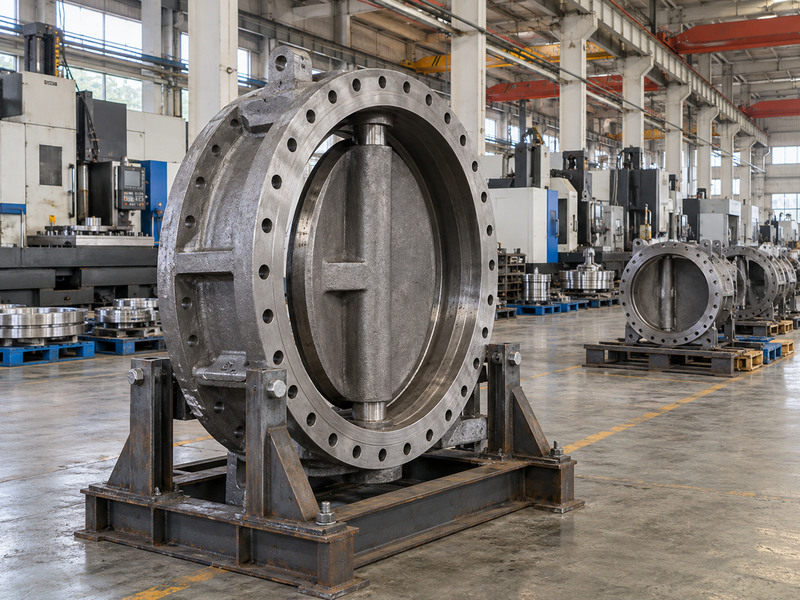
The right pneumatic high performance butterfly valve factory can connect your required construction to its actual equipment, people and controlled records. Start with the valve geometry, size range, materials, pressure–temperature envelope and actuator duty. A factory making water-service concentric valves may have a different production route from one building double-offset industrial valves. Ask what happens in-house and which operations involve outside suppliers.
How do you keep the visit relevant?
Choose a representative order or sample before the audit. Follow that product rather than accepting a tour of whichever machines happen to be running. Request the manufacturing route, inspection plan and current drawing revision. For a large valve, include lifting capacity, machining envelope and test-fixture capacity. For a lined valve, include lining and integrity checks. Compare those records with the offered butterfly valve range and the actual quotation. Explain any gap before discussing an annual purchase volume.
- Select an audit sample with comparable construction.
- Identify outsourced operations and acceptance controls.
- Assign responsibility for the finished package.
| Audit starting point | Evidence |
|---|---|
| Product scope | Offered drawing and material list |
| Manufacturing route | Named operations and locations |
| Inspection responsibility | Approved control plan |
Use one product identity throughout the visit so records remain connected.
2. Can incoming materials be traced to finished valves?
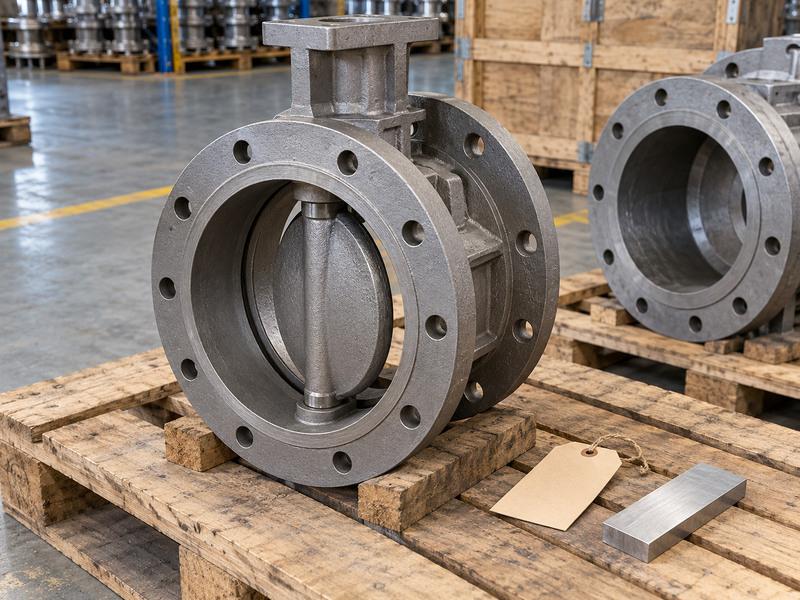
A pneumatic high performance butterfly valve factory needs material records that follow the components into production. Check body and disc heat identity, shaft material, seal formulation and purchased actuator identity. A certificate stored in a shared folder proves little if the shop cannot link it with the parts on the bench. Traceability must survive machining, coating and assembly.
What should you ask the receiving team?
Pick an incoming lot and inspect its receiving record, identification method and release status. Then locate the related work order. Check how the factory prevents accepted and rejected components from mixing when parts look alike. Small seals often need packaging or batch controls because they cannot carry permanent marks. For outsourced castings, review the approved source and the response to missing or inconsistent records. A material substitution should trigger documented review before it enters an assembly.
- Match certificates to identifiable incoming lots.
- Check storage segregation and release status.
- Follow seal and coating batches through assembly.
| Component | Traceability check |
|---|---|
| Casting | Heat identity and receiving acceptance |
| Shaft | Material lot and machining work order |
| Seal | Approved formulation and batch |
Select a finished valve and ask the team to trace it backward without advance preparation.
3. Does machining control the sealing geometry?
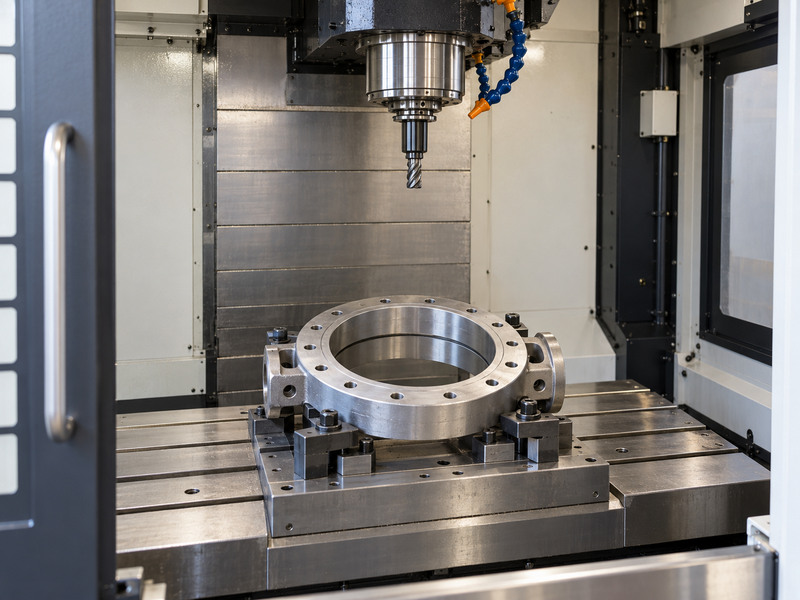
A pneumatic high performance butterfly valve factory must control dimensions that affect shaft alignment, seat contact and pipe interfaces. Machine size alone doesn’t establish that control. Inspect the fixture, drawing revision, measurement method and inspection frequency for a representative body. A first-piece report should identify the dimensions checked and the actual results rather than recording a single general pass.
Which dimensions deserve an audit sample?
Follow the drawing’s critical characteristics. These can include shaft-bore location, seat-retention geometry, flange face condition and face-to-face length. Check how the factory handles tool wear and how it releases production after a setup change. On a flanged butterfly valve, the flange connection and body length must match the ordered structural arrangement. A drawing for another nominal size or connection is weak evidence. Ask where nonconforming parts go and who authorizes rework.
- Review the setup and first-piece release.
- Check measurement equipment suitability.
- Match rework instructions with engineering approval.
| Process point | Record to inspect |
|---|---|
| New setup | First-piece dimensions |
| Production run | In-process checks |
| Reworked feature | Approved repair and reinspection |
Inspect completed measurements alongside the actual feature whenever access allows.
4. Are shafts and bearings checked as an assembly?
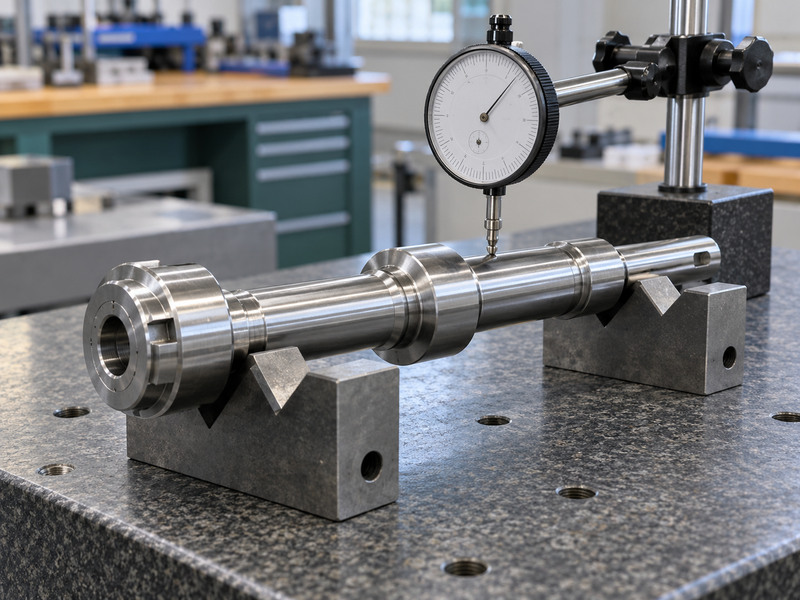
A pneumatic high performance butterfly valve factory should verify that the shaft, bearings and body operate together without unwanted loading. Individually acceptable parts can still bind when assembled. Review the alignment controls and allowable clearances specified by the design. Also check shaft retention and the way the assembly carries process loads; an actuator mounting bracket should not become an unintended bearing.
How can an audit reveal a hidden fit problem?
Compare the inspection method with the drawing tolerance and the expected failure mode. A shaft diameter check won’t reveal a misplaced body bore. Ask how assembly staff respond to a tight fit: they should follow a controlled disposition rather than polish or force parts until movement improves. For a sample, examine operating torque and repeatability after assembly. Record the exact seat, lubricant and test conditions because changes in those inputs affect the result. Review any allowable adjustment before approving it for production.
- Inspect shaft retention and bearing arrangement.
- Check alignment through the assembled body.
- Review the response to unexpected tightness.
| Observation | Follow-up |
|---|---|
| High operating torque | Alignment and seat checks |
| Uneven travel | Fit, contamination and contact pattern |
| Unplanned polishing | Engineering disposition |
Ask for the cause of a tight assembly before accepting a larger actuator as the correction.
5. How does the factory prevent seal mix-ups?
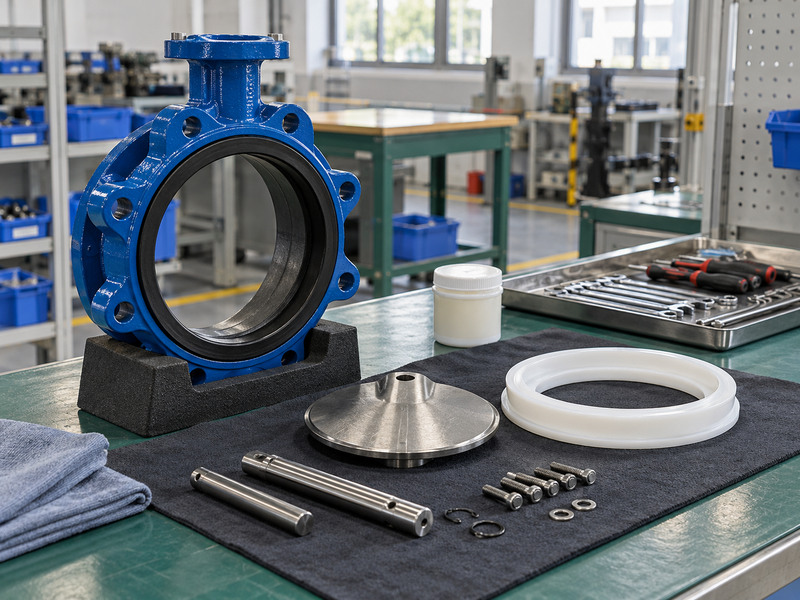
A pneumatic high performance butterfly valve factory needs separate controls for seal type, formulation, storage and assembly condition. Similar appearance doesn’t establish compatibility. A seat approved for water may be unsuitable for mineral oil, while a chemical-service lining can have a different backing and shaft-seal arrangement. The material list should identify the complete wetted configuration.
What changes for lined construction?
Review dedicated work instructions for the offered PTFE-lined butterfly valve or PFA construction. Check handling, local thickness, exposed transitions and the specified integrity test. Test settings must follow the actual material and thickness procedure. A generic electrical check copied from another product can damage a lining or miss a defect. During assembly, inspect tools, cleanliness and the protection of sealing surfaces. Ask how the factory confirms that the correct batch reaches each work order when several similar orders share a station.
- Verify material identity before assembly.
- Protect sealing surfaces during handling.
- Review lining-specific inspection instructions.
| Control | Audit question |
|---|---|
| Storage | Are similar seals segregated? |
| Issue to production | Is the approved batch recorded? |
| Special inspection | Does the procedure match the material? |
Use the approved material list when investigating a mismatch; color alone cannot settle it.
6. Is pneumatic assembly treated as engineering work?
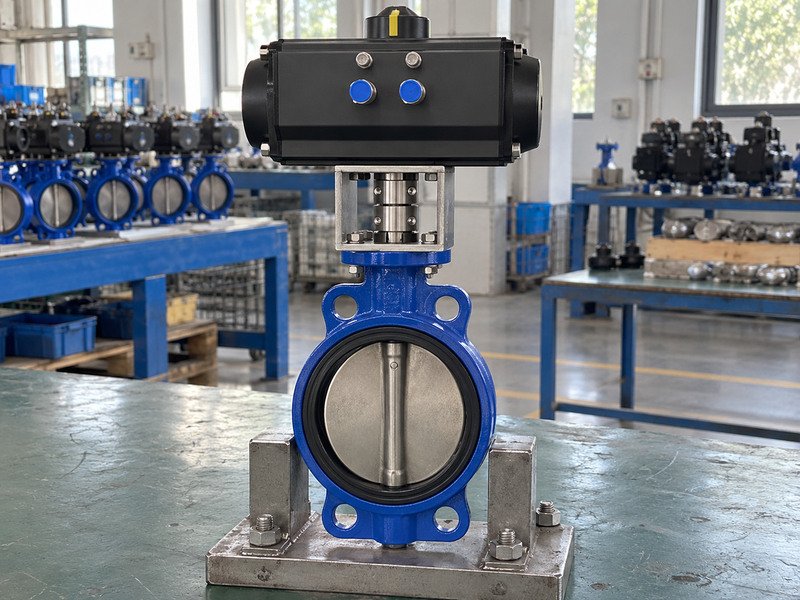
A pneumatic high performance butterfly valve factory should approve the actuator, bracket, coupling and accessories as one package. A valve can pass a manual inspection yet fail after automation. Review torque sizing at minimum dynamic air pressure, maximum allowable shaft load and the specified failure action. Check both normal travel and the loss conditions required by the project.
What should a first assembly demonstrate?
Inspect coupling engagement, mounting alignment, fastener control and travel settings. The limit switch and positioner need their own adjustment records. Compare the wiring and pneumatic circuit with the delivered accessory models. A different solenoid function can change failure behavior even when the coil voltage matches. Ask how the factory prevents an assembler from borrowing a similar-looking accessory from another order. If a manual override is included, inspect its operation and any interlock requirements during the sample review.
- Check actuator sizing and maximum output.
- Inspect mounting fit and travel settings.
- Test the specified failure actions.
| Package element | Approval evidence |
|---|---|
| Actuator | Torque curves and air basis |
| Mounting | Assembly drawing and engagement |
| Controls | Circuit, settings and function test |
Approve the assembled package before permitting repeat production from separate component approvals.
7. Can the test station reproduce your acceptance plan?
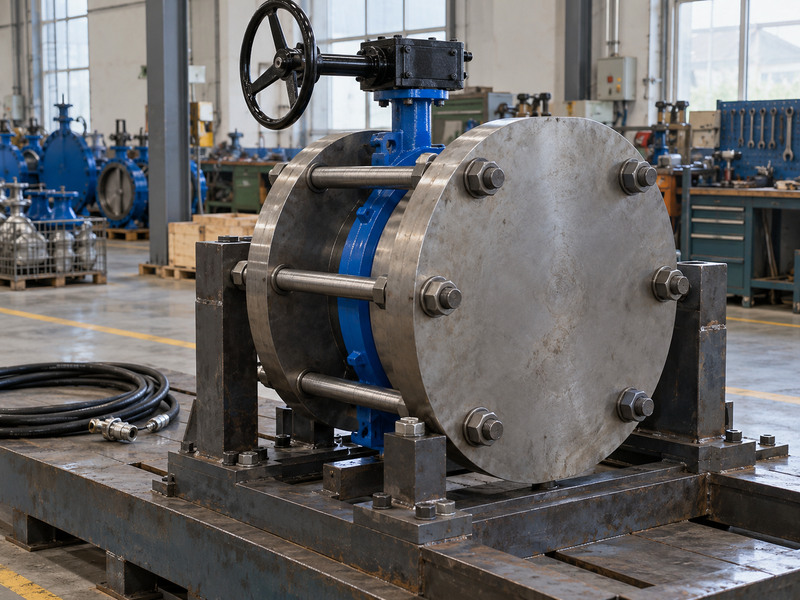
A pneumatic high performance butterfly valve factory needs test equipment and procedures suited to the ordered size, pressure, direction and leakage criterion. Watch how the team prepares a test, including fixture restraints and instrument checks. A pressure number on a gauge doesn’t establish that the correct cavity or seat direction is being tested. Confirm the method before reviewing the result.
What should the witness record include?
Record the valve identity, test medium, temperature, pressure, hold time, direction and observed leakage. Check gauge calibration and usable range. Keep shell, seat and external leakage tests distinct. For reverse-pressure duty, verify the declared reverse rating and its test condition separately. For RUITO’s large double-offset water valves, forward and reverse limits are declared separately. Keep those limits distinct from inspection pressures in the test plan. Additional gas, hot-operation or lining tests need their own approved procedures.
- Match fixture capacity with the selected test.
- Verify instruments before pressurization.
- Record actual observations and acceptance limits.
| Test-plan field | Audit evidence |
|---|---|
| Direction | Setup and report agree |
| Instrument | Identity and calibration status |
| Result | Measured or observed acceptance data |
Resolve a missing procedure before treating a completed test as release evidence.
8. Are torque records useful after the audit?
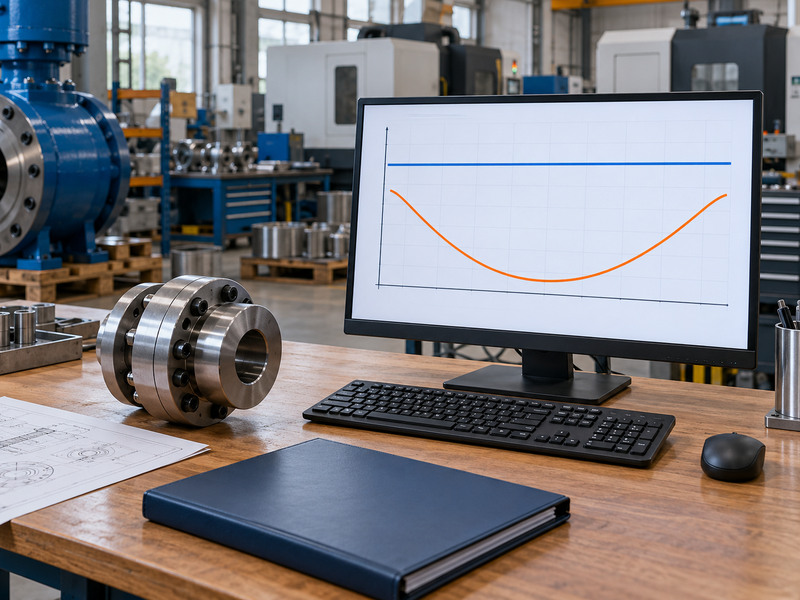
A pneumatic high performance butterfly valve factory should record torque under stated conditions and retain enough detail for engineering comparison. A handwritten value without seat identity, pressure differential or position is difficult to interpret. Ask whether the data represent manual operation, a controlled torque measurement or a calculation. Each can serve a purpose when its basis is clear.
How should you compare the curves?
Compare required valve torque with available actuator output at the relevant positions and minimum air pressure. Review the project’s approved allowance and the maximum allowable valve shaft torque. Avoid approving the package from a single peak output. A spring-return assembly requires separate checks for air and spring strokes. The unscaled image in this section illustrates the comparison method only. It cannot replace a manufacturer’s curve or identify a real model. Ask how changes to seat material, temperature or operating differential trigger a new sizing review.
- Identify the basis of each torque value.
- Compare both directions across the stroke.
- Reassess sizing after a relevant configuration change.
| Record | Required context |
|---|---|
| Valve demand | Seat, pressure, temperature and position |
| Actuator output | Air pressure and stroke direction |
| Approval | Factor and allowable shaft load |
Keep the approved calculation with the exact assembly revision.
9. Will packaging preserve the inspected condition?
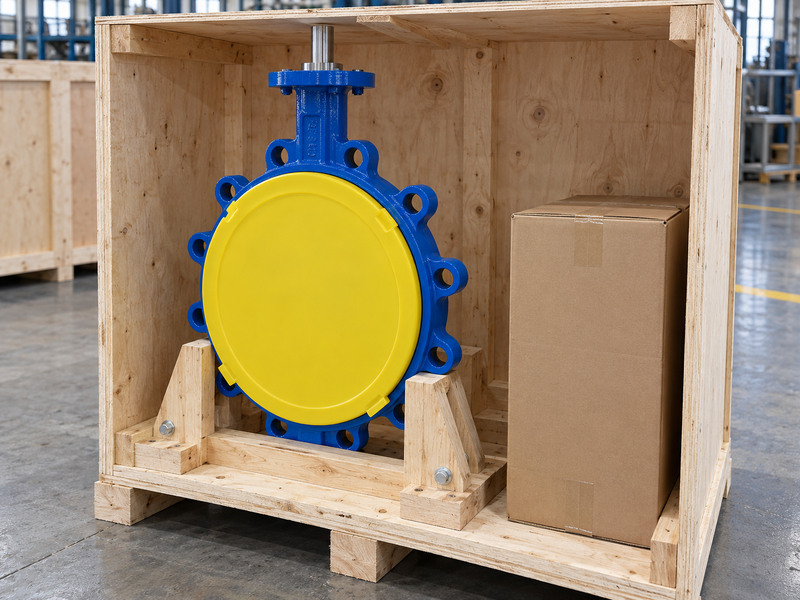
A pneumatic high performance butterfly valve factory should protect the surfaces and settings that passed inspection. The valve needs suitable supports, end protection and impact clearance around the actuator. A finished package can arrive unusable if a strap loads the tubing or the crate permits the valve to shift. Inspect the packaging arrangement before the final shipment.
What should the packing trial check?
Compare support points with the approved handling instructions. Keep loads away from fragile accessories and protect the bore against contamination. State the required disc position for transport according to the valve manual. Separate loose accessories and spare parts so they cannot strike the sealing surfaces. Include the installation and support requirements in the technical handover when the site has restricted access. Check the crate contents against the packing list and product identities, then photograph the closed and open package.
- Verify supports and end covers.
- Protect controls and exposed fittings.
- Match crate contents with the release list.
| Packaging feature | Inspection purpose |
|---|---|
| Rigid cradle | Prevent movement and impact |
| End protection | Keep dirt off sealing surfaces |
| Accessory separation | Prevent damage in transit |
Approve packaging using a representative size and configuration rather than a generic empty crate.
10. What closes a factory audit finding?
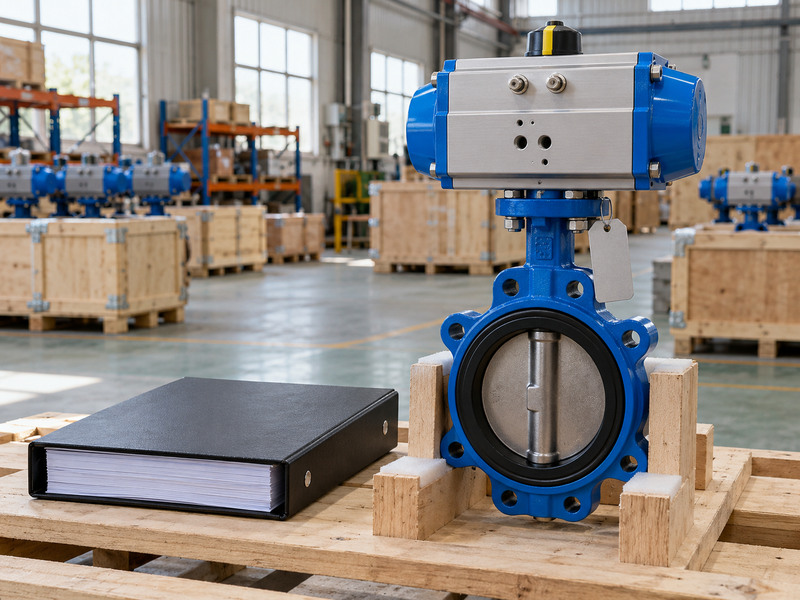
A pneumatic high performance butterfly valve factory closes a finding when the cause, correction and evidence meet the agreed acceptance condition. A promise to improve is insufficient. Define an owner, due date and verification method for each issue. A drawing mismatch, missing material link and expired gauge record require different actions; combine them only when the same verified cause applies.
How should you release the first order?
Separate sample approval from batch release. Record which findings must close before material purchase, assembly, inspection or shipment. Confirm that a corrected instruction reaches the shop and that affected products receive the required reinspection. RUITO operates an integrated manufacturing and trading business in Shijiazhuang, with product-specific routes and project documents. Request the records for your exact configuration when evaluating that capability. Company size and equipment lists help plan the audit, but the sample trail decides whether the ordered work is controlled.
- Assign a measurable closure condition.
- Verify the correction on affected work.
- Freeze the approved sample and revision.
| Release gate | Required result |
|---|---|
| Technical approval | Drawing and deviations agreed |
| Sample approval | Relevant inspections passed |
| Shipment release | Batch records and packing accepted |
Bring the data sheet and proposed inspection plan when you contact us to arrange a configuration-specific review.
FAQ
Q1: Can I audit a factory remotely?
Yes, for suitable scope. Use live sample selection, visible instrument identities and traceable records; arrange on-site verification when remote evidence leaves a material gap.
Q2: What’s the best sample for a factory audit?
Use a sample with comparable structure, materials, size and automation. A different product family won’t demonstrate every required process.
Q3: Does an ISO management certificate approve the valve?
No. Review the certificate scope separately from model-specific product requirements, test evidence and destination-market acceptance.
Q4: Can a factory outsource its castings?
Yes, with a controlled source and acceptance route. Identify responsibility, material traceability and the inspection steps applied after receipt.
Q5: How do I know an audit finding is closed?
Check the agreed evidence against the closure condition. Verify implementation on affected products or records before signing off.