
You can avoid costly pricing mistakes by comparing every resilient seated concentric butterfly valve price against the same materials, operating duty, operator, acceptance tests and delivery scope. A purchasing sheet can show matching sizes while hiding different seat compounds, flange arrangements or actuator packages. The difference often appears after approval, when the buyer must add missing accessories or request another inspection. Start with an agreed technical baseline, then compare the complete supply cost and the assumptions behind each quotation.
1. What sets resilient seated concentric butterfly valve price?
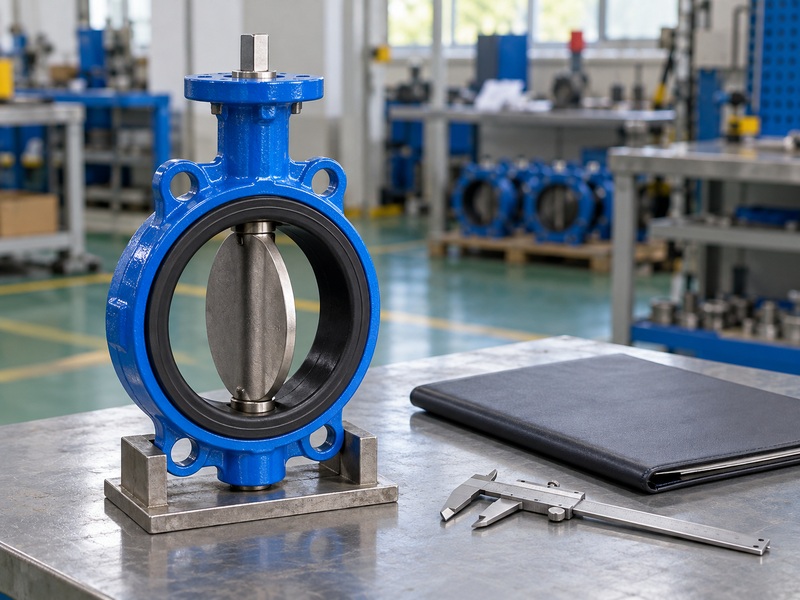
Materials, size, pressure duty, connection and operating equipment set a resilient seated concentric butterfly valve price. A product name alone leaves too many variables open for a useful comparison. Ask each supplier to identify the exact valve assembly and list deviations against your request before arranging quotations from lowest to highest.
What belongs in the common technical baseline?
Your baseline should state the fluid, minimum and maximum operating temperatures, working pressure and maximum closing differential. Include the pipe and flange details, operating frequency and installation location. A valve intended for clean water cannot inherit an oil or chemical duty because its nominal diameter matches.
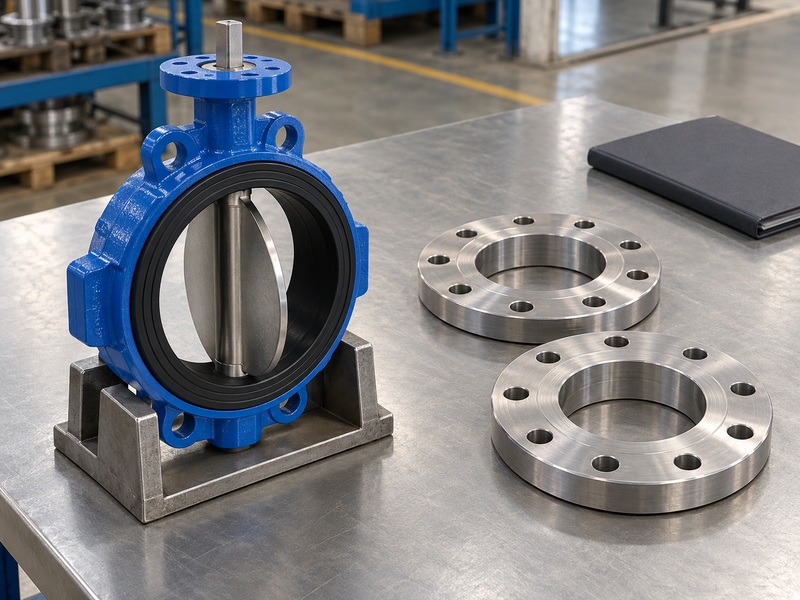
For a compact installation, a wafer butterfly valve quotation should identify the mating flange bore and disc clearance. Keep the approved drawing revision beside the quoted line item so an alternative face length cannot enter unnoticed.
- Separate required features from optional alternatives.
- Give every deviation an engineering decision.
- Compare prices only after closing those deviations.
| Baseline field | What the quotation should identify |
|---|---|
| Operating duty | Fluid, temperature and closing differential |
| Mechanical fit | Size, flange drilling and face length |
| Supply assembly | Valve, operator and included accessories |
A blank field needs clarification before the quotation enters the commercial comparison.
2. Which material differences deserve a separate quote line?
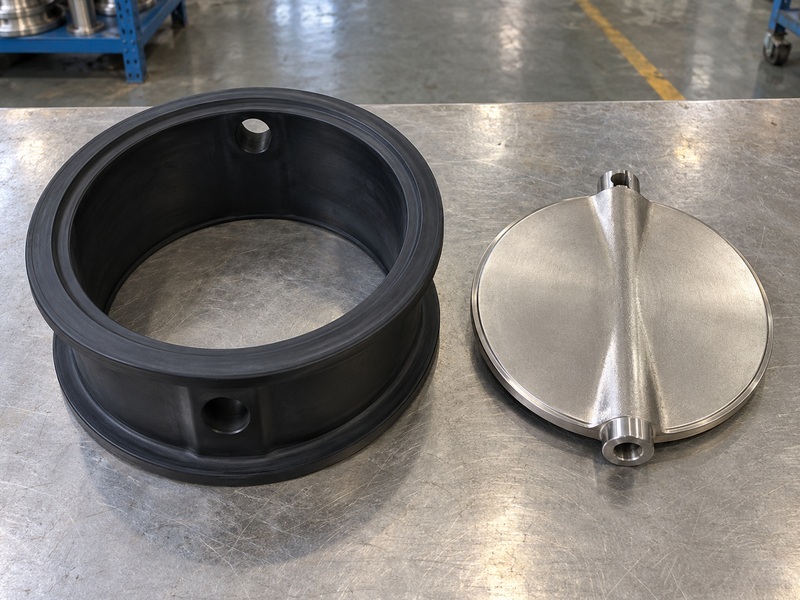
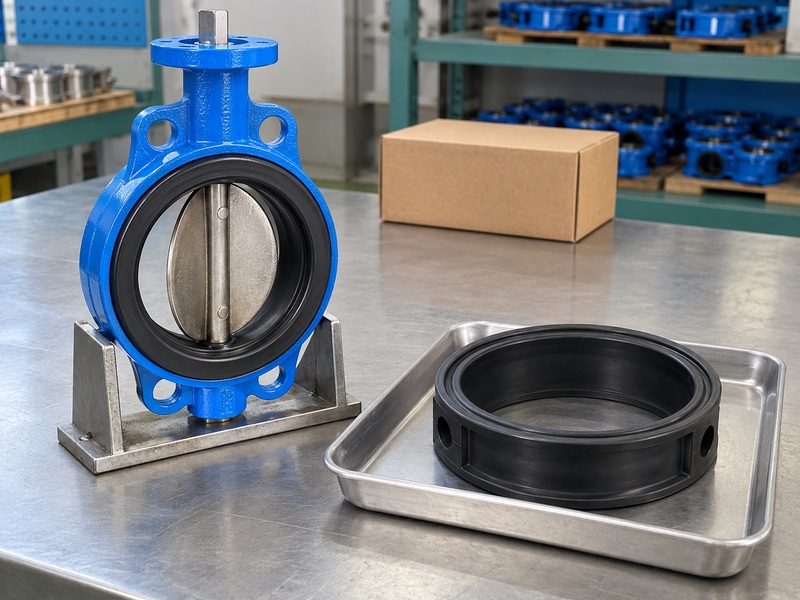
Every change to the body, disc, shaft, seat compound or coating deserves a separate line in a resilient seated concentric butterfly valve price review. Ask for a bill of materials that names these parts individually. “Ductile iron valve” identifies only part of the assembly and says little about the surfaces that contact the fluid.
How do you prevent an unapproved substitution?
RUITO’s conventional water configuration uses an EN-GJS-450-10 ductile iron body, CF8M disc, a strength-checked stainless steel shaft and an EPDM seat. Its mineral oil and clean gas arrangements use independently controlled NBR configurations. Specify the required compound and duty rather than accepting “rubber seat” as a complete description.
A PTFE lined butterfly valve requires its own quotation and technical review, including the lining, backing and shaft seals. Its construction and chemical limits cannot be transferred into a conventional EPDM water valve price comparison.
- Identify material grades and controlled compounds.
- State coating requirements and inspection scope.
- Require written approval before critical substitutions.
| Component | Quotation detail to compare |
|---|---|
| Disc and shaft | Actual grades and exposed wetted surfaces |
| Seat | Compound identification and permitted duty |
| Coating | System, applicable surfaces and inspection |
Accept a cheaper material alternative only after its technical effects have been reviewed.
3. Are connection and installation costs equivalent?
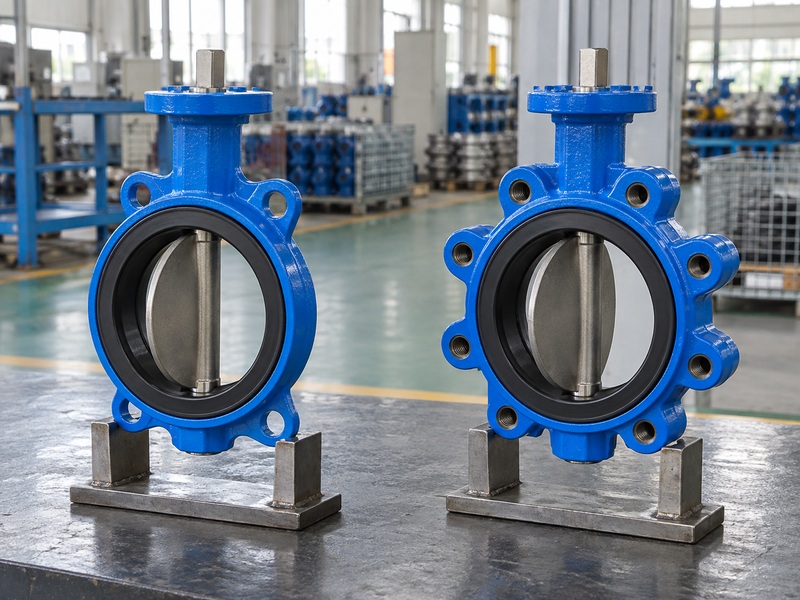
Connection costs are equivalent only when the resilient seated concentric butterfly valve price includes the installation arrangement your pipework requires. Wafer, lug and double flanged bodies need different fastening and access checks. Compare the delivered valve assembly together with any missing mating parts, rather than assuming every connection fits the same installation.
What should the installation review include?
RUITO’s concentric wafer and double flanged water configurations cover DN50–600, PN10/16, while its lug configuration covers DN50–300, PN10/16. These are separate supply boundaries. Confirm the exact size and drawing before treating one construction as a price alternative to another.
A lug butterfly valve also needs verified thread details and effective bolt engagement. RUITO’s dedicated water end isolation arrangement is limited to DN50–200, 5–40°C and an allowable differential of no more than 10 bar, with independent end isolation testing. A general lug quotation does not establish that qualification.
- Check disc clearance through the mating bore.
- Confirm fastener responsibility and installation space.
- Identify dismantling and pipe support requirements.
| Connection | Cost item to confirm |
|---|---|
| Wafer | Through bolts and mating flange clearance |
| Lug | Thread engagement and approved service condition |
| Double flanged | Face length, bolting and support arrangement |
An installation sketch can resolve costs that a product photograph cannot show.
4. Does the operator package match the closing duty?
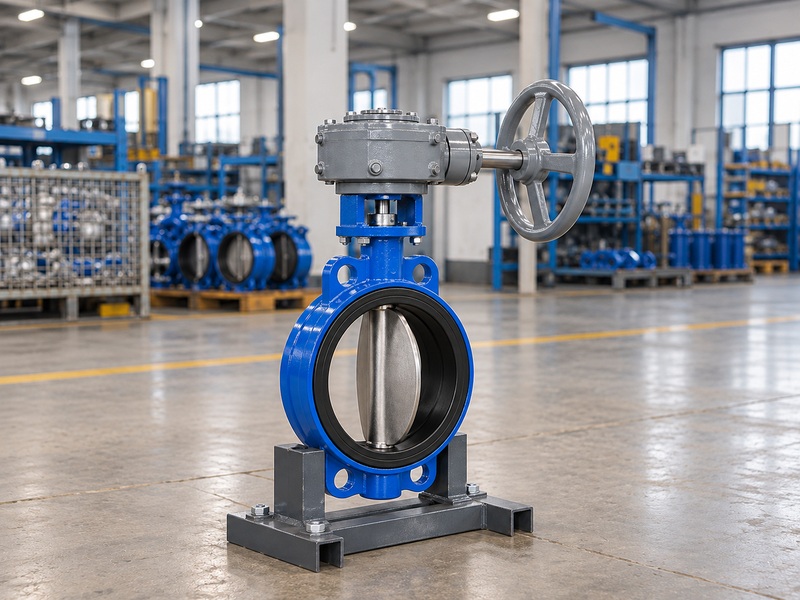
The operator package matches the duty only when a resilient seated concentric butterfly valve price includes equipment sized for the stated closing differential and operating conditions. A bare valve, a lever operated assembly and an automated package are different purchase scopes. Treat the actuator and its accessories as identifiable components with their own specifications.
Which accessories can change the comparison?
For pneumatic operation, state the minimum available air supply, required failure position and control signal. Ask for starting, running and seating torque checks against actuator output across the stroke. For electric operation, identify the power supply, control function, position feedback and environmental requirements.
Include the mounting bracket, coupling, limit switches, solenoid or positioner where required. A supplier may price these separately without creating a technical problem, provided the comparison captures the omission. Confirm who assembles and tests the completed package, since separate component deliveries move work onto the buyer.
- Compare the same failure action and feedback.
- Verify output at minimum available supply.
- Name the party responsible for final functional testing.
| Package element | Evidence needed before price approval |
|---|---|
| Actuator | Output calculation against valve torque |
| Mounting | Approved interface, bracket and coupling |
| Controls | Accessory list and functional test scope |
Price the complete operating assembly that will reach your installation team.
5. Are testing and documents included in both offers?
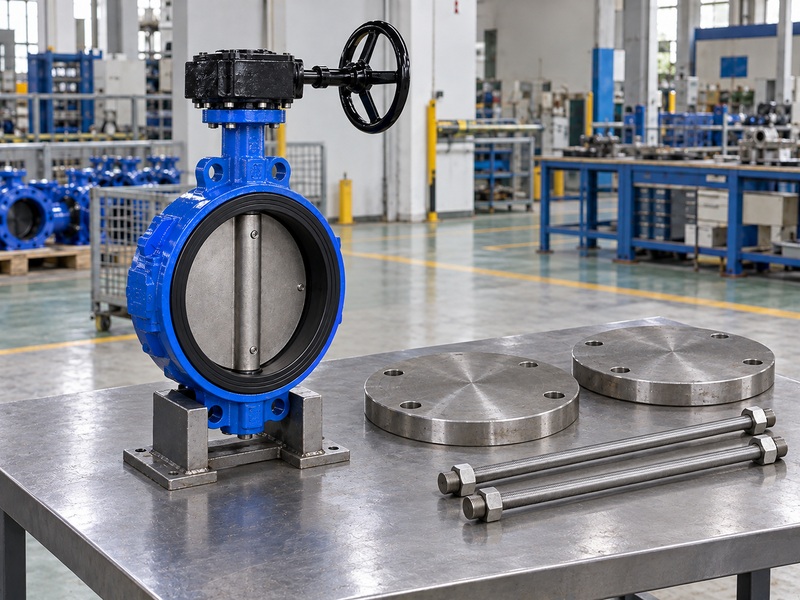
Testing is comparable when each resilient seated concentric butterfly valve price includes the same acceptance standard, inspection scope and document package. Agree the inspection and test plan before ordering. A generic statement that a valve is “tested” leaves the pressure, duration, direction and acceptance criterion unresolved.
What makes a test requirement commercially clear?
The primary standard ISO 5208 addresses pressure testing of industrial metallic valves. A purchase specification still needs the selected edition, applicable tests and acceptance requirements. RUITO uses EN 12266-1 or a contract selected ISO 5208 procedure; the quotation should identify which route applies.
RUITO’s stated conventional PN10 ambient shell and soft seat closure test inputs are 15 and 11 bar; PN16 inputs are 24 and 17.6 bar, subject to the exact valve and seat differential rating. These inspection pressures do not become operating pressure limits. Additional gas, lining or application validation needs separate scope where relevant.
- Identify witness and hold points before scheduling.
- List reports by product identification and batch.
- Separate routine inspection from third party fees.
| Inspection item | Commercial question |
|---|---|
| Routine tests | Included per valve or separately charged? |
| Witness visit | Whose attendance and expenses are included? |
| Document package | Which reports, language and revisions? |
Compare the cost of meeting your acceptance requirements on both offers.
6. How do quantity, samples and tooling affect the offer?
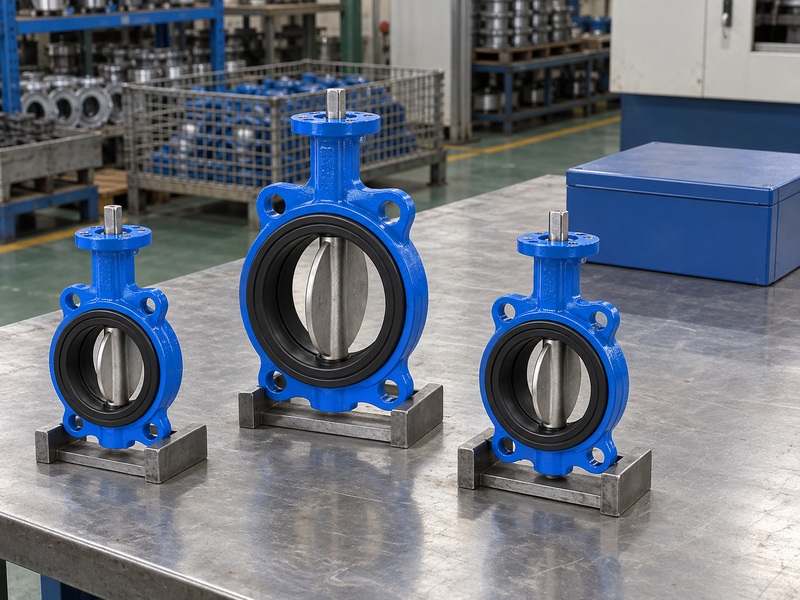
Quantity, sample approval and tooling affect a resilient seated concentric butterfly valve price through both unit charges and separate project costs. Request a clear distinction between the trial order, the first production batch and repeat releases. An annual forecast does not automatically establish the same unit price for every small shipment.
Which RUITO order policies need confirmation?
An exact stocked RUITO configuration can start at one unit, subject to availability and reinspection. Nonstock concentric wafer butterfly valves typically have a minimum order of ten units. U-type, concentric flanged and lined configurations allow a one unit sample and typically five units for mature production; special large pieces require individual review.
Samples are charged. Any refund after the production order reaches the agreed quantity follows the contract, and tooling and third party validation are separate items. Record whether a sample contains every production feature so a successful fit check does not approve an incomplete assembly.
- Agree sample acceptance and ownership of tooling.
- State quantities by exact configuration.
- Define the rules for split production releases.
| Cost category | Keep visible in the comparison |
|---|---|
| Trial units | Sample fee and approval scope |
| Production | Quantity per configuration and release |
| Development | Tooling and external validation charges |
Spread one time charges across a realistic purchasing plan when assessing repeat supply.
7. What does the delivery promise actually cover?
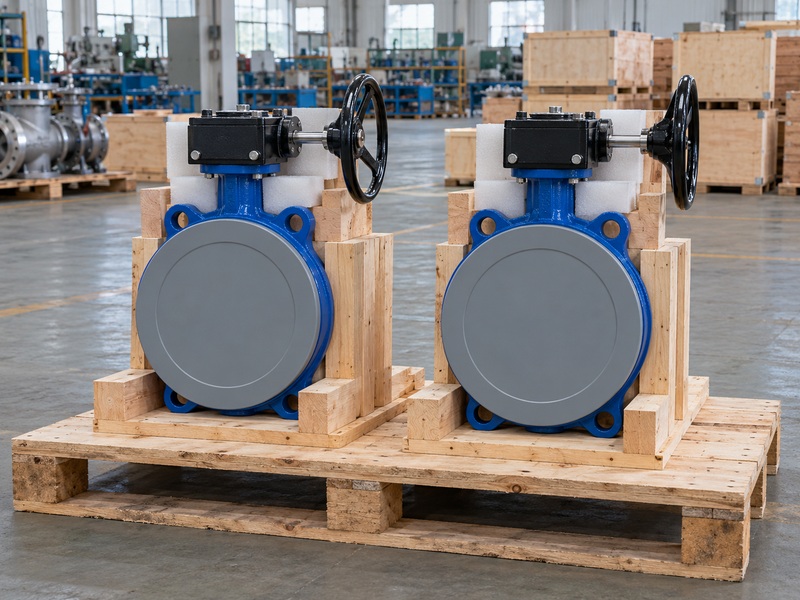
A delivery promise covers only the milestones explicitly attached to the resilient seated concentric butterfly valve price. Separate technical approval, production, inspection, factory release, transport and customs clearance. A date for factory release cannot establish the date a valve will reach the construction site.
How should you compare RUITO schedules?
RUITO’s exact stocked configurations typically need three to seven days for reinspection and release after technical, commercial and required inspection conditions are complete. Mature ordinary small and medium production batches typically require 30–50 days. Lug, flanged, U-type and grooved butterfly valve batches typically require 35–60 days; the exact quotation must confirm the applicable schedule.
Mature PTFE/PFA lined configurations typically require 45–75 days, while large double offset projects have separate 60–180 day planning. New tooling typically requires 60–90 days, with initial qualification scheduled separately. Transport and customs clearance are additional. Do not use the fastest stock timing to plan a nonstock or newly qualified configuration.
- Specify the event that starts the delivery period.
- Reserve time for drawing approval and witnessing.
- Identify the required arrival date separately.
| Milestone | Buyer check |
|---|---|
| Production start | Approved technical and commercial conditions |
| Factory release | Completed inspection and document conditions |
| Arrival | Transport, customs and local delivery assumptions |
Ask for dated milestones where the valve shipment affects the installation sequence.
8. How should freight and commercial terms be compared?
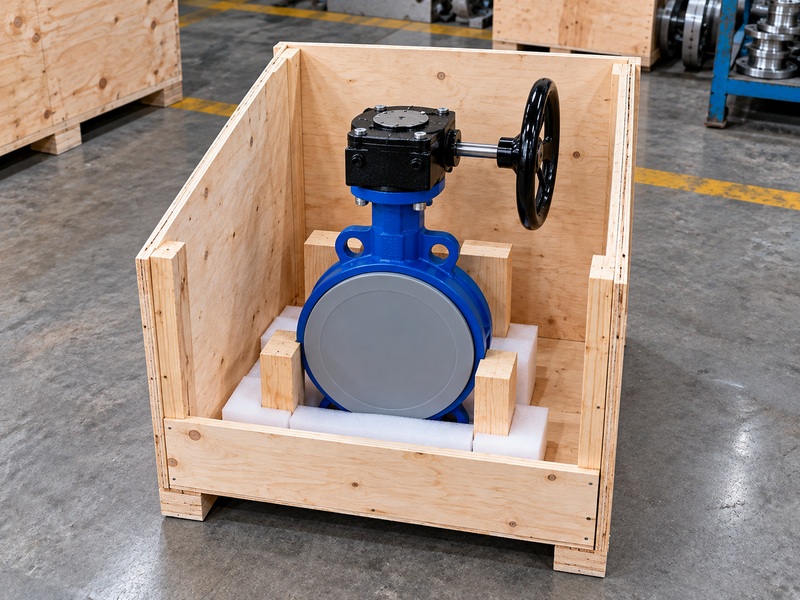
Freight and commercial terms should be compared on the same named delivery basis alongside the resilient seated concentric butterfly valve price. Record the named place and agreed Incoterms edition, then confirm the actual included activities. Packing, inland movement, international freight, insurance, import charges and local delivery need identifiable responsibility.
What can change before the purchase order is placed?
RUITO states a quotation validity of 15 days. Unlocked orders may need a new quotation when metal costs or exchange rates change. A comparison should therefore show the issue date, expiry date, currency and the conditions that fix the commercial offer.
For new customers, RUITO commonly uses a 30% T/T advance with the remaining 70% settled before shipment; customized work may require a 50% advance. Letters of credit and credit terms depend on banking and credit conditions. Confirm the exact order terms and relate payment milestones to approval, inspection and shipment obligations.
- Compare packing suitable for the transport route.
- Clarify excluded destination and handling charges.
- Keep currency and payment assumptions consistent.
| Commercial field | Required comparison entry |
|---|---|
| Delivery basis | Named term, place and edition |
| Offer validity | Expiry and repricing conditions |
| Payment | Advance, balance and release conditions |
Resolve unclear exclusions before converting the supplier quotation into an internal budget.
9. How do you approve the complete supply cost?
Approve the complete supply cost by adding the obligations around a resilient seated concentric butterfly valve price and checking who will perform each one. Include required accessories, qualification, inspection, transport, installation support and approved spares. Use quoted amounts or documented internal estimates, with assumptions visible to the reviewer.
What should remain attached to the approval?
Keep the accepted quotation, technical deviation register, drawing revision, bill of materials and inspection plan together. Identify replacement seat and shaft seal configurations by the supplied assembly. RUITO’s standard warranty is 18 months after delivery or 12 months after commissioning, whichever comes first, for covered defects and contract deviations within approved service conditions.
| Supply cost layer | Record before approval |
|---|---|
| Equipment | Accepted valve and operator scope |
| Project obligations | Samples, inspection and documents |
| Delivery and support | Freight, required spares and support scope |
Assign unresolved costs to an owner and a decision date. A contingency allowance cannot replace confirmation that the proposed valve meets the duty.
For a configuration based quotation, contact us with the valve schedule, complete fluid conditions, installation drawings, operator requirements and inspection plan. Request separate lines for required equipment, options and exclusions so your team can approve the technical baseline and supply cost together.
10. What do buyers ask before approving a valve quotation?
Buyers ask whether the quoted configuration, sample terms, delivery scope and seat materials make a resilient seated concentric butterfly valve price acceptable for their duty. The purchase order should record the agreed answers for engineering, quality and purchasing.
Q1. Can I compare two valves with the same DN and PN?
Yes, after checking their materials, connection, operating limits, operator and tests. Matching DN and PN alone leaves substantial technical and commercial differences open.
Q2. What’s the best way to request a current price?
Send a defined valve schedule and duty sheet. State quantities by configuration, required accessories, inspection scope, delivery basis and required arrival date.
Q3. Can I use a sample fee as the production unit price?
No. Sample approval, tooling and first order work may have separate charges. Obtain a production quotation tied to the approved sample configuration and batch quantity.
Q4. How do I know whether delivery includes shipping?
Read the named delivery basis and milestone definitions. Confirm factory release, transport, customs and final delivery separately in the accepted quotation.
Q5. Can I reduce cost by changing the seat material?
Only after technical review. A cheaper compound must meet the complete fluid, temperature, pressure and operating duty, with any required validation completed before approval.