
Fix soft seat butterfly valve quotes by giving every bidder the same duty, connection, drive and acceptance requirements. A valve price becomes useful only when you can identify the assembly and services behind it. Start with a shared enquiry sheet, then record each supplier’s answer and exception beside the requirement.
You receive three offers for the same pipe size, yet one includes an actuator and inspection records while another covers a bare valve with an unnamed seat. Choosing the lowest total can leave you buying missing parts after the purchase order. Build a comparison sheet that follows the installed assembly from fluid selection through site delivery. Resolve differences before you rank prices.
1. What should soft seat butterfly valve quotes include?
Your soft seat butterfly valve quotes should identify the complete valve, drive, accessories, documents and delivery obligations for each order line. DN and PN alone leave too much undefined. Give each line a quantity and service description, then ask suppliers to mark every item as included, separately priced or excluded.
How do you define the priced assembly?
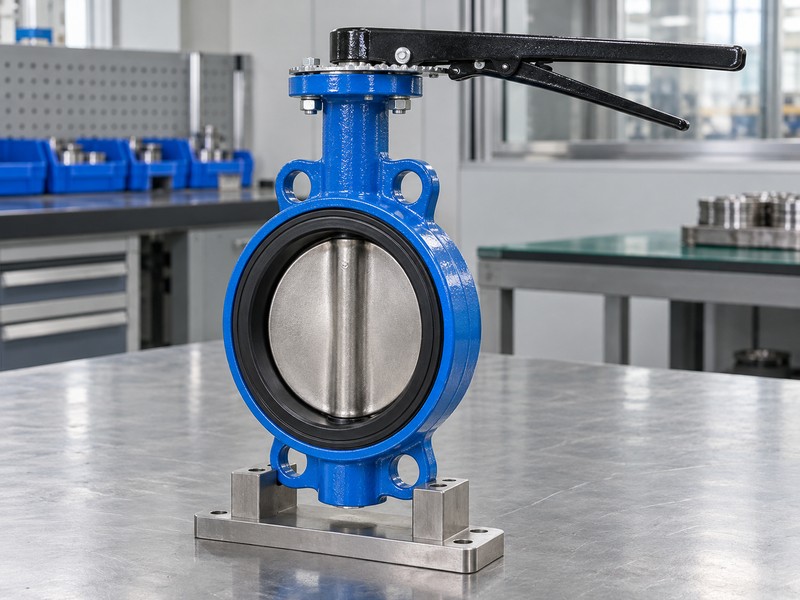
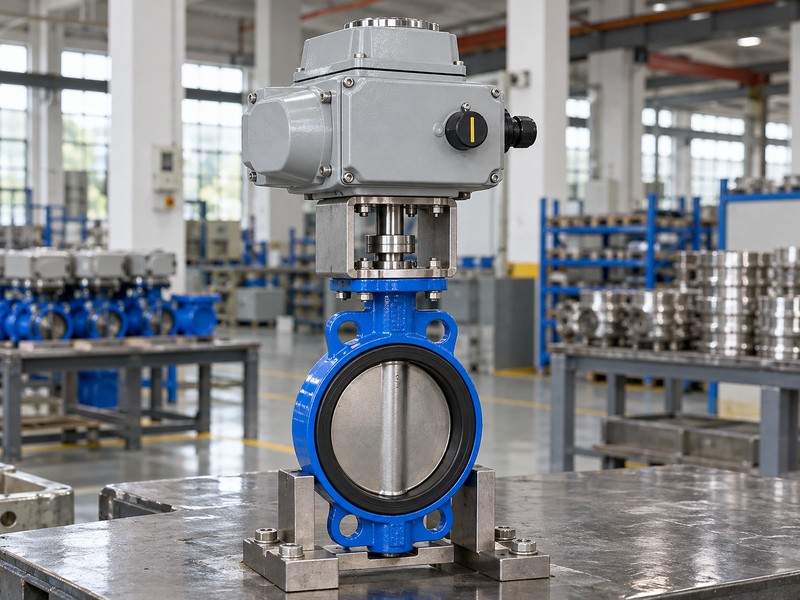
Start with the valve drawing and material list. Add the operator, mounting hardware, fasteners where supplied, limit switches and spare parts you require. A photograph may show a fitted actuator even when the price covers only the valve; make the written scope control that decision. Keep options beside the base assembly so you can compare the same purchased equipment without losing useful alternatives.
- Identify each valve and quantity by order line.
- Separate the base assembly from optional equipment.
- Ask for a written response to every exclusion.
Key takeaway: A complete assembly definition lets you compare offers without assuming that pictured parts or requested documents come with the price.
| Check | What you should confirm |
|---|---|
| Valve | Defined materials, seat and connection |
| Drive | Operator, mounting and required accessories |
| Services | Documents, inspection and delivery inclusions |
2. What duty inputs shape soft seat butterfly valve quotes?
Fluid composition, temperature, pressure and closing differential shape soft seat butterfly valve quotes because they determine the accepted configuration. State normal operation and foreseeable extremes separately. Include cleaning fluids and additives, since the liquid that reaches the seat during maintenance can differ from the liquid named on the process drawing.
Which limits must apply together?
Check the full operating window. RUITO’s standard clean-water duty works at 5–60°C with PN10/16 limits governed by the selected model’s pressure–temperature rating. Its approved NBR wafer or lug configuration for compatible high-flash-point mineral oil covers DN50–300, 5–70°C and no more than 10 barg. Keep each boundary attached to its fluid and assembly; do not combine a material’s temperature limit with another configuration’s pressure limit.
- Provide fluid composition, additives and cleaning conditions.
- Declare operating pressure and maximum closing differential.
- List temperature extremes and any expected transients.
Key takeaway: The quote needs one configuration that meets your conditions together, rather than a collection of unrelated maximum ratings.
| Check | What you should confirm |
|---|---|
| Fluid | Composition and accepted wetted materials |
| Temperature | The complete operating and cleaning window |
| Pressure | Working rating and closing differential separately |
3. How do seal types affect soft seat butterfly valve quotes?
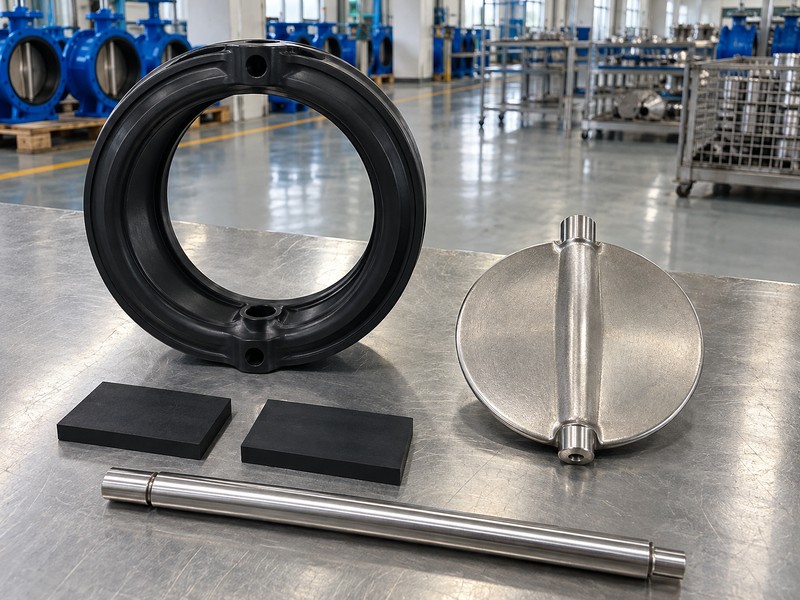
Seal types affect soft seat butterfly valve quotes through the contact design, accepted service and verification needed for closure. A soft seat uses a compliant sealing element; a metal seat relies on its specified metal sealing pair. Compare the actual assemblies, since the seal name cannot establish either leakage acceptance or suitability for your fluid.
What makes the alternatives comparable?
Compare the closure requirements first. Ask the soft-seat bidder to identify the compound, contact geometry and replacement route, and ask the metal-seat bidder to identify the sealing pair and permitted leakage. A metal-seat alternative may also change the body design, drive and installation envelope. Keep it as a separately defined engineering option until your team accepts those changes; a seal substitution alone does not prove equivalence.
- Identify the sealing materials and actual contact design.
- Use the same declared closure duty for both offers.
- Record changes to the drive and installation envelope.
Key takeaway: Compare soft and metal seals against the required duty and acceptance basis before treating them as competing price lines.
| Check | What you should confirm |
|---|---|
| Soft seat | Compound, support and accepted fluid duty |
| Metal seat | Sealing pair and specified leakage allowance |
| Comparison | The same duty and accepted interface requirements |
4. Which seal tradeoffs belong in soft seat butterfly valve quotes?
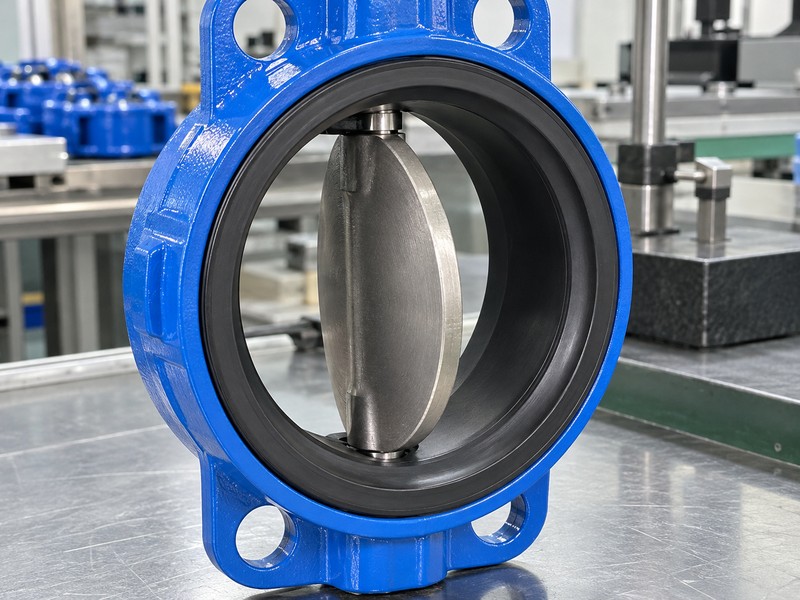
Your soft seat butterfly valve quotes should address closure acceptance, material exposure, torque and maintenance when you compare seal tradeoffs. A soft seat can suit an approved water or oil duty, while a different service may require another qualified assembly. Neither seal family gives you a universal temperature capability, service life or purchase-cost advantage.
How do you assess maintenance costs?
Price the maintenance work you can define. Ask which seal components you can replace, what dismantling requires and which checks follow reassembly. Compare spare availability and the need to remove the valve from the line. Do not turn a replaceable ring or a metal sealing surface into a lifespan promise; actual exposure, cycling, installation and maintenance determine what your team will need to repair.
- Specify leakage acceptance at the required closure duty.
- Request model-specific spare and repair information.
- Identify access, dismantling and reassembly-test requirements.
Key takeaway: Use a defined maintenance scope to assess seal tradeoffs without relying on unsupported life multipliers or percentage savings.
| Check | What you should confirm |
|---|---|
| Closure | Accepted leakage under defined test conditions |
| Exposure | Compatibility with operating and cleaning fluids |
| Maintenance | Parts, access and verification after repair |
5. How does flange fit affect soft seat butterfly valve quotes?
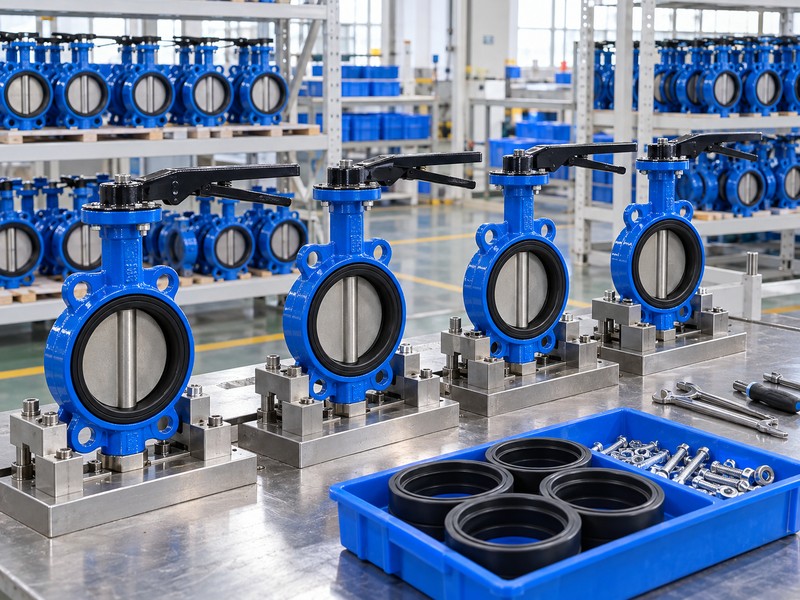
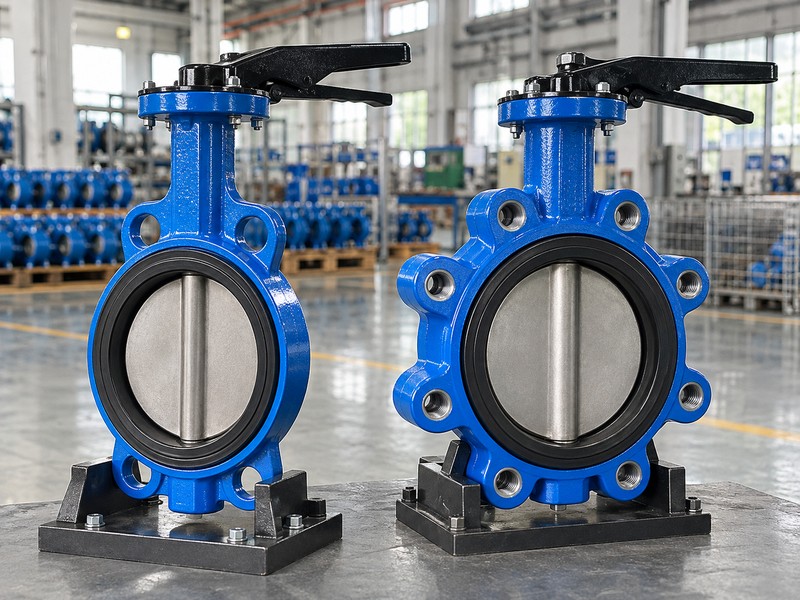
Flange fit affects soft seat butterfly valve quotes through the connection dimensions, disc clearance and fasteners required to install the valve. Wafer, lug and flanged bodies use different interface details. Compare each offer with your actual mating flanges and pipe bore, rather than accepting a nominal pipe size as proof of fit.
What should the interface review cover?
Review the joint before ordering hardware. Request face-to-face dimensions, flange standard and facing, the disc opening envelope and the installation instructions for gasket use. On a lug offer, check thread specification and effective bolt engagement against the approved drawing. A different body style can change support and maintenance access, so include those site implications in the engineering review before accepting an apparently interchangeable replacement.
- Match the flange standard, facing and actual bore.
- Check disc travel through adjacent pipe components.
- Define fasteners, gasket arrangement and pipe support.
Key takeaway: A quote for the right DN still needs an approved interface that fits the pipework and permits full disc travel.
| Check | What you should confirm |
|---|---|
| Dimensions | Approved face-to-face and flange interface |
| Clearance | Disc opening space in the actual joint |
| Hardware | Correct fasteners and installation instructions |
6. How do flow losses affect soft seat butterfly valve quotes?
Flow losses affect soft seat butterfly valve quotes when you require a particular flow range within an allowable pressure-drop budget. Ask for coefficient data for the proposed model, DN and opening. The same nominal size can leave different hydraulic questions unresolved, particularly when an alternative changes the disc, lining or operating position.
Which hydraulic data should you request?
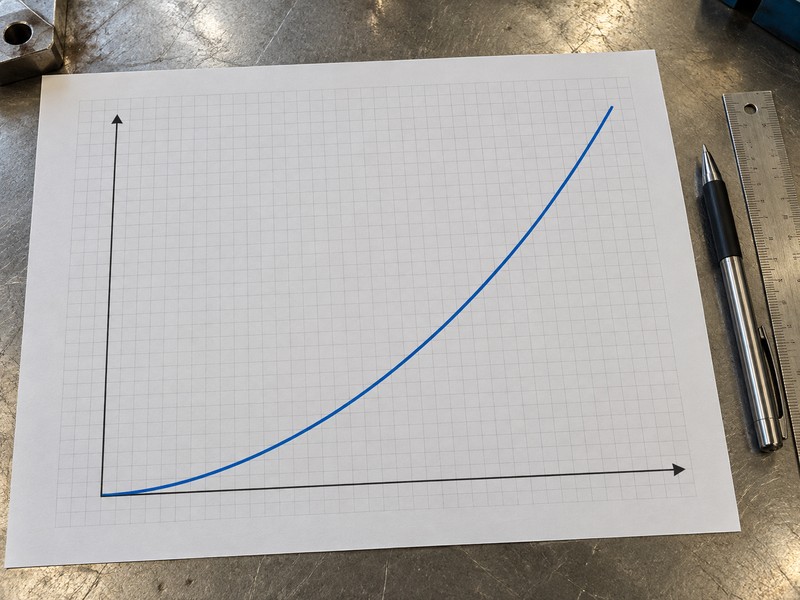
Use the actual sizing inputs. Provide minimum and maximum flow, fluid density and viscosity, available pressure and the proposed operating positions. Ask the supplier to distinguish approved coefficient data from a preliminary calculation, then review cavitation or unsuitable throttling separately. The illustrative curve below explains a trend; it cannot establish a guaranteed Kv, pressure loss or permitted continuous operating position for the offered valve.
- State the flow range and allowable valve pressure loss.
- Provide fluid properties at operating temperature.
- Request model data at the intended openings.
Key takeaway: Compare hydraulic performance from identified model data so a lower valve price does not conceal an unresolved system pressure loss.
| Check | What you should confirm |
|---|---|
| Flow | Minimum and maximum required operating rates |
| Coefficient | Approved model, DN and opening data |
| Pressure loss | Calculation using the actual fluid properties |
7. What drive scope belongs in soft seat butterfly valve quotes?
Drive scope in soft seat butterfly valve quotes should cover the operator, mounting, torque basis, available supply and control accessories. A manual lever, gearbox, electric actuator and pneumatic actuator create different purchased assemblies. Define the required operating method and failure response before you compare a bare valve with a complete automated package.
How do you check actuator selection?
Check output across the stroke. Ask for breakaway, running and closing torque at the declared duty, together with the actuator’s available output at your minimum supply. Confirm indexing, travel stops, feedback signals and any required manual override. A mounting interface proves a mechanical connection only; it does not show that the actuator can close the valve at the required differential or deliver the requested control behavior.
- Declare closing differential and minimum available supply.
- Specify feedback, override and required failure position.
- Request the torque basis for the supplied assembly.
Key takeaway: Compare complete drive packages against the same duty, supply conditions and control requirements before accepting actuator options.
| Check | What you should confirm |
|---|---|
| Torque | Model demand at the declared operating duty |
| Supply | Available drive output at minimum conditions |
| Controls | Required signals, travel and accessories |
8. Which tests belong in soft seat butterfly valve quotes?
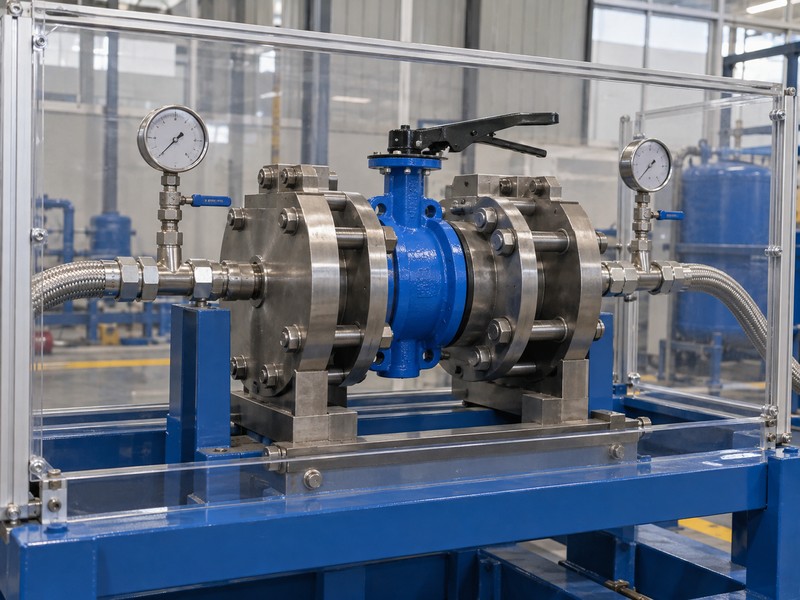
Your soft seat butterfly valve quotes should include the specified shell, closure, external-leakage and functional checks for the supplied configuration. Agree the method, direction, pressure, duration and acceptance criterion before ordering. A test pressure describes an inspection condition and must not become the valve’s permitted working pressure on the comparison sheet.
What must the test report identify?
Make the test basis explicit. Where your contract selects ISO 5208, identify the applicable pressure-test procedure and leakage acceptance for the actual valve. ISO 5208 is not a Class VI designation. Ask whether required witnessing, calibrated instrument records and any special-duty verification are included; a standard water test does not establish vacuum, drinking-water, fire or gas approval.
- State the governing method and acceptance criterion.
- Identify test direction, conditions and valve identity.
- Price required witness points and special checks.
Key takeaway: A test allowance is comparable only when each bidder accepts the same procedure, records and required witnessing scope.
| Check | What you should confirm |
|---|---|
| Method | Contract-selected pressure and leakage procedure |
| Record | Valve ID, conditions, instruments and results |
| Special duty | Separate evidence for each required qualification |
9. What delivery costs affect soft seat butterfly valve quotes?
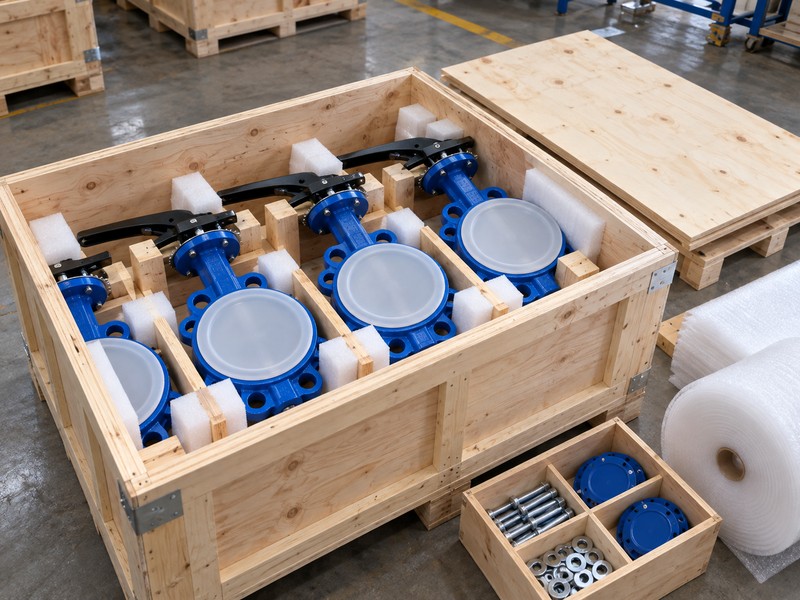
Delivery costs affect soft seat butterfly valve quotes through packing, transport terms, inspection arrangements and the documents needed for shipment. Compare the same named delivery place and responsibility split. A factory release date alone does not tell you when the valve will reach your warehouse or installation crew.
How should the commercial sheet read?
List charges against the same destination. Ask bidders to state currency, validity, payment schedule, packing scope and separately charged inspection or documentation. Keep technical approval, inspection release and transport milestones distinct in the schedule. If one offer assumes customer-arranged collection and another includes freight, adjust the comparison using confirmed scope and quoted charges rather than assuming that their totals cover the same journey.
- Use the same named delivery place and shipping terms.
- Confirm packing, inspection and document charges.
- Separate factory release from transport and clearance.
Key takeaway: Compare delivery totals on a shared responsibility basis so missing transport or inspection charges do not appear after award.
| Check | What you should confirm |
|---|---|
| Price basis | Currency, validity and included obligations |
| Shipment | Packing and transport responsibilities |
| Schedule | Approval, release and arrival milestones |
10. How do you approve soft seat butterfly valve quotes?
Approve soft seat butterfly valve quotes after engineering closes technical differences and purchasing confirms the complete commercial scope. Put accepted deviations in the order, alongside the drawing and material revisions. A supplier’s later acknowledgement should identify the same assembly you approved, including documents, inspection and delivery obligations.
What should remain in the order file?
Freeze the accepted offer. Keep the enquiry, technical responses, final drawings, material list, test plan and commercial schedule together. Require notice and approval before changes to seat compound, interface, drive or test scope, including repeat orders. RUITO can review these inputs and identify configuration-specific documents; your team should retain the accepted revisions so a replacement or replenishment enquiry starts from the supplied assembly.
- Close technical exceptions before commercial approval.
- Attach accepted revisions and inspection obligations.
- Require approval before changes to repeat supply.
Key takeaway: The approved comparison should become the purchase definition, giving receiving and maintenance teams the same basis for checking supply.
| Check | What you should confirm |
|---|---|
| Engineering | Accepted duty, assembly and closed deviations |
| Purchasing | Complete price and delivery obligations |
| Order control | Approved revisions and change-notice requirements |
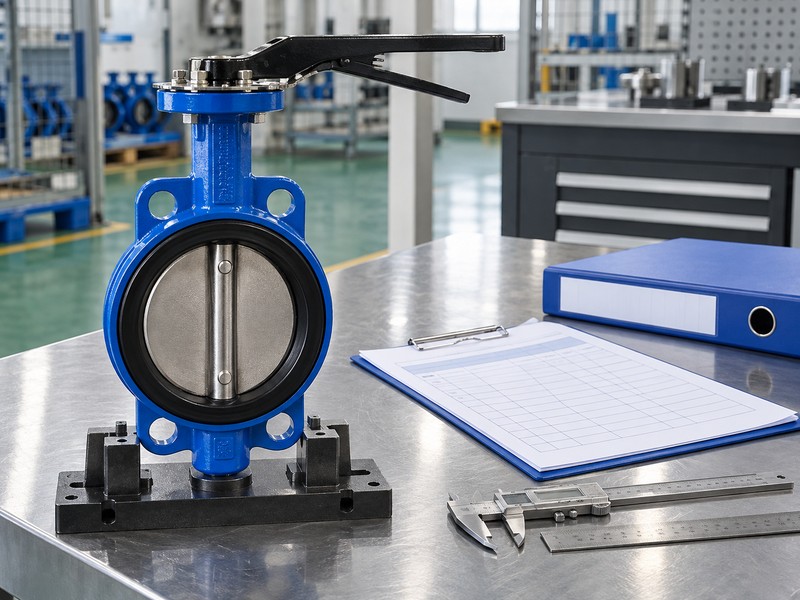
Send RUITO your fluid data, operating window, flange details, drive requirements and inspection scope. We can review the proposed configuration and clarify the assembly, documents and delivery items for a comparable offer. Contact us with your enquiry sheet so the quoted valve and the ordered valve share the same accepted definition.
FAQ
Q1: Can I compare quotes using DN and PN alone?
No. Define fluid duty, materials, interface, drive, acceptance and delivery scope before comparing totals.
Q2: What’s the best seal for my application?
Use the seal configuration accepted for your actual duty. A family name cannot establish compatibility, leakage or temperature capability.
Q3: Can I assume a metal seat lasts longer?
No. Request the model’s maintenance requirements; exposure, cycling and installation prevent a universal lifespan comparison.
Q4: How do I know if the actuator price is complete?
Check the written scope. It should identify the actuator, mounting, accessories, torque basis and required control functions.
Q5: Can I use the test pressure as working pressure?
No. Use the configuration’s pressure–temperature and closing-differential ratings; inspection pressure serves a separate acceptance purpose.