
Fix supplier-selection mistakes by comparing soft seated butterfly valve suppliers against one service sheet, material schedule and document scope. A technically incomplete offer can appear cheaper because it omits the seat qualification, actuator calculation or inspection you need. Resolve those differences before price determines the shortlist.
A distributor needs forty valves, but one quotation promises stock without identifying the seat compound or flange drilling. Another lists production delivery for a verified configuration. Treat those as different offers until the first supplier identifies the actual available products. The supplier review below connects suitability, quotation, stock and after-sales support with the exact valve you intend to receive.
1. What must soft seated butterfly valve suppliers confirm?
Require soft seated butterfly valve suppliers to confirm the actual fluid, pressure, temperature, connection and operating function. Those inputs define the quoted configuration. A supplier should identify accepted conditions, unresolved data and deviations before offering a delivery promise, rather than treating every request for the same DN as the same valve.
Which enquiry details prevent ambiguity?
Send normal and maximum conditions, cleaning fluids, pressure reversal and the actual installation interface in one package. Include the quantity split by configuration, not just a total valve count. Define the order lines. RUITO reviews each material and duty combination separately so a water-service quotation is not silently extended to oil, clean gas or a lined chemical application.
- State the complete fluid and cleaning schedule.
- Provide the operating envelope and installation interface.
- Separate quantities by the actual material and connection configuration.
Key takeaway: A complete order line gives every supplier the same product and duty to price.
| Check | What you should confirm |
|---|---|
| Service input | Fluid, temperature, pressure and operating function |
| Product input | Seat, metals, connection and drive identified |
| Commercial input | Quantity and required document scope per line |
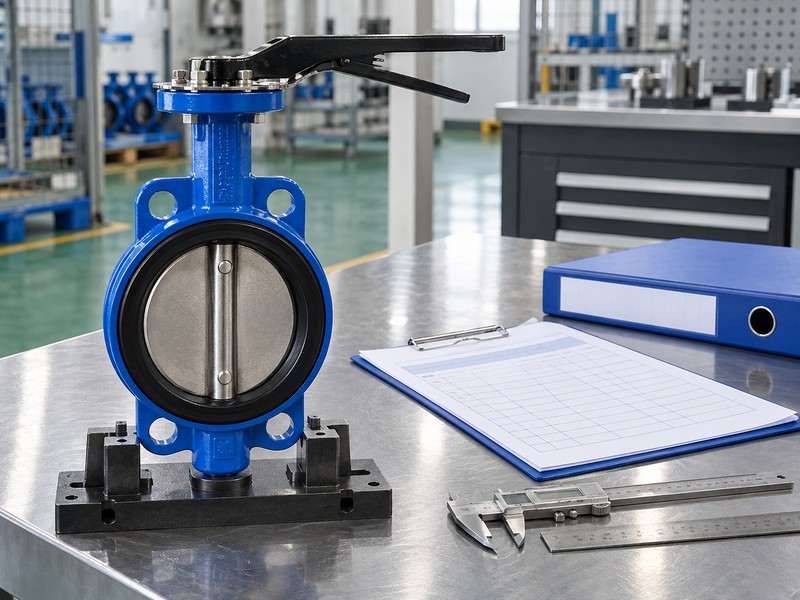
2. How do soft seated butterfly valve suppliers check duty?
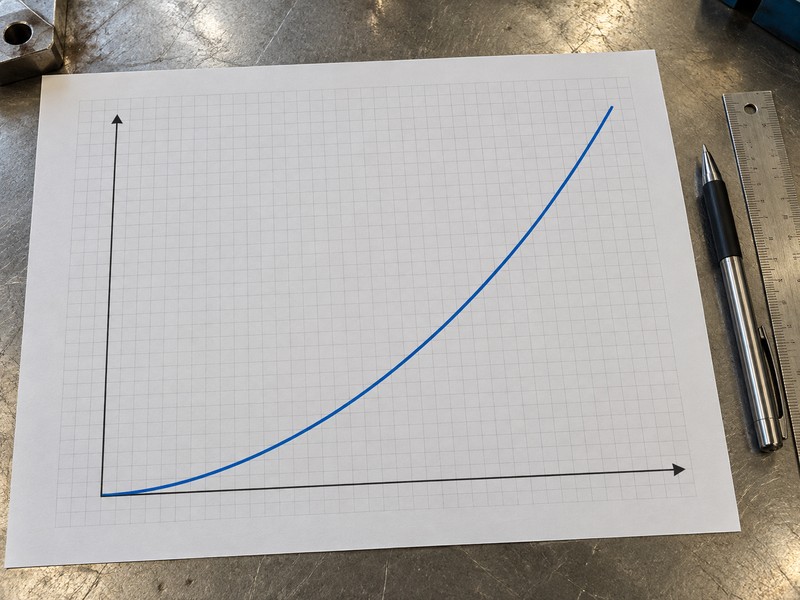
Ask soft seated butterfly valve suppliers to check material compatibility and hydraulic duty together. A compatible seat does not establish allowable pressure drop, unobstructed flow or prolonged throttling. Provide the fluid properties, flow range, pressure budget and intended operating position, then request the actual model’s permitted envelope and coefficient data.
What does a coefficient prove?
The model coefficient supports a specified sizing calculation and cannot establish every service claim. Use actual density and appropriate viscosity treatment for single-phase liquids; gas duty requires a separate sizing method. Use the approved model data. RUITO can review the available configuration against the stated inputs, while a conceptual curve in a brochure remains an explanation rather than guaranteed performance.
- Provide minimum, normal and maximum flow requirements.
- State the allowable pressure loss and fluid properties.
- Confirm any restrictions on opening position or solids duty.
Key takeaway: Compare suppliers on the checked duty, rather than on diameter or an unexplained flow curve.
| Check | What you should confirm |
|---|---|
| Hydraulic basis | Actual flow, fluid properties and pressure budget |
| Model evidence | The approved coefficient and operating limits |
| Service decision | Material and hydraulic acceptance for the same build |
3. How do soft seated butterfly valve suppliers trace materials?
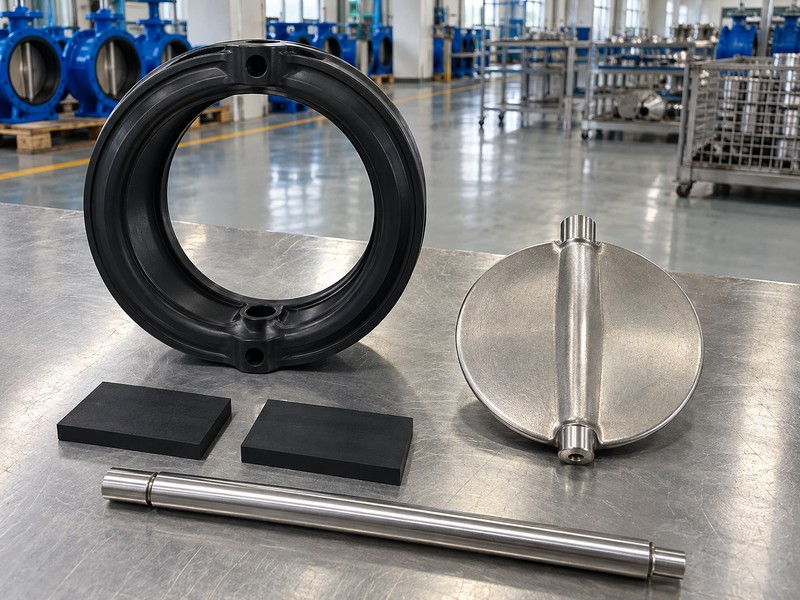
Require soft seated butterfly valve suppliers to identify the seat compound, disc, shaft, body and auxiliary seals in the supplied build. Product descriptions such as stainless or rubber seated leave several components unresolved. Ask for the accepted material schedule and the records your inspection plan requires, with the product and batch identification connected.
Which substitutions require review?
A changed seat profile can affect fitting and torque, while another alloy can change corrosion or approval scope. Review each changed component. Compare the proposed substitute with the accepted drawing and service conditions, then record the engineering decision and effective order lines. A supplier’s description of equivalence cannot replace that configuration-based acceptance.
- Identify each required metal grade and nonmetallic compound.
- Connect material records with product and batch IDs.
- Approve changes before substituted items enter your shipment.
Key takeaway: Material continuity depends on component identification and approved changes, not similar appearance.
| Check | What you should confirm |
|---|---|
| Material schedule | The exact component identities in the accepted build |
| Traceability | Product and batch links for the required records |
| Substitution | A documented technical and commercial decision |
4. How do soft seated butterfly valve suppliers verify approvals?
Ask soft seated butterfly valve suppliers to identify the exact model and material scope behind any approval claim. A quality-management certificate does not approve every drinking-water, fire or gas application. The destination, product construction, size and operating conditions must fall within the relevant accepted scope before you present the product for project approval.
What should you check in the document?
Review the issuing body, holder, site, validity and product scope where applicable. Match the listed configuration with the quoted materials and intended destination. Verify the claimed coverage. RUITO separates system-management documents from model-specific application evidence; your acceptance record should identify which document answers each project requirement rather than attaching a general certificate to an unspecified valve.
- Separate company-system certification from product application approval.
- Match the approved model and materials with the quoted line.
- Check the destination and operating limits relevant to your project.
Key takeaway: Accept approval evidence only when its actual scope matches the configuration and destination you are buying.
| Check | What you should confirm |
|---|---|
| Company document | Holder, site and stated management-system scope |
| Product document | The actual model, materials and applicable size range |
| Project acceptance | The destination and duty within the claimed coverage |
5. How do soft seated butterfly valve suppliers compare offers?
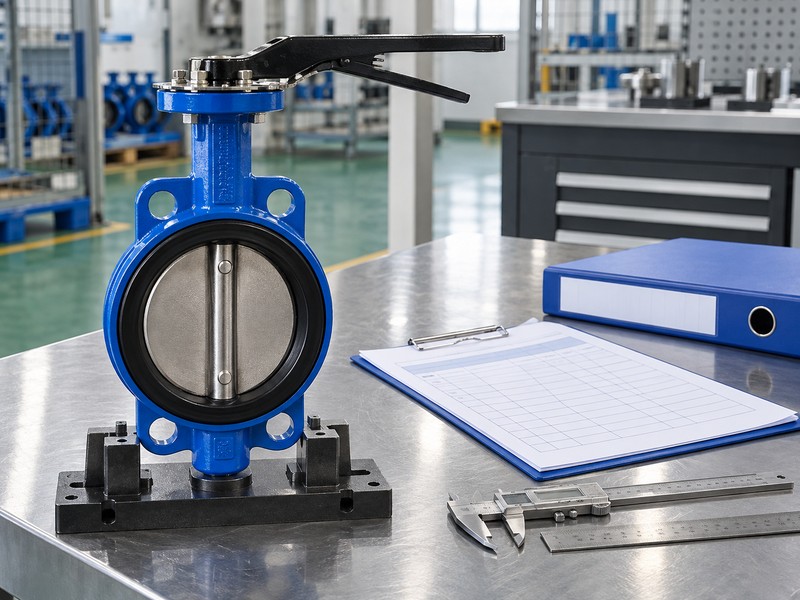
Compare offers from soft seated butterfly valve suppliers after materials, interfaces, drive and inspection scope match. A lower line price may exclude accessories, testing, documents or packing. Put those inclusions and exclusions beside the valve price, then compare delivery conditions and the accepted technical deviations for each supplier.
Which cost differences should be visible?
Separate the bare valve from the actuator, bracket, feedback, inspections and packing required for your installation. A dated quotation should also state what changes require repricing. Normalize the scope. RUITO can quote the defined configuration and agreed evidence package, while your purchasing comparison should preserve line-level quantities and accepted exclusions rather than comparing unlike total amounts.
- Separate valve, drive and accessory scope in the comparison.
- List tests, documents and packing included in each offer.
- Record accepted deviations and conditions for price changes.
Key takeaway: A comparable price belongs to a comparable configuration, evidence package and delivery scope.
| Check | What you should confirm |
|---|---|
| Technical scope | The same accepted valve and drive configuration |
| Evidence scope | The same inspection and document requirements |
| Commercial scope | Quantities, packing, delivery and explicit exclusions |

6. How do soft seated butterfly valve suppliers report tests?
Require soft seated butterfly valve suppliers to supply test records that identify the delivered valves and accepted conditions. Shell, external leakage, seat closure and function are distinct results. Gas or lined duty can add separate checks. Agree the inspection plan before shipment so a generic sample certificate cannot be mistaken for the delivered batch’s acceptance evidence.
What belongs in the shipment report?
Identify the governing method, such as ISO 5208, with the product-specific programme. Record product IDs, medium, pressure, direction, duration and applicable instrument information. Review the actual batch. RUITO links the defined inspection scope with the supplied configuration, allowing the project reviewer to see which result closes each acceptance item.
- Agree pressure direction and the seat-leakage acceptance criterion.
- Keep shell, closure and external-leakage results distinguishable.
- Connect delivered product IDs with the required test records.
Key takeaway: A shipment report should establish acceptance for the delivered build under the agreed inspection conditions.
| Check | What you should confirm |
|---|---|
| Method | The contractual pressure and product requirements |
| Result | The actual conditions and acceptance decision |
| Identity | The delivered valve and associated batch record |
7. How do soft seated butterfly valve suppliers check actuation?
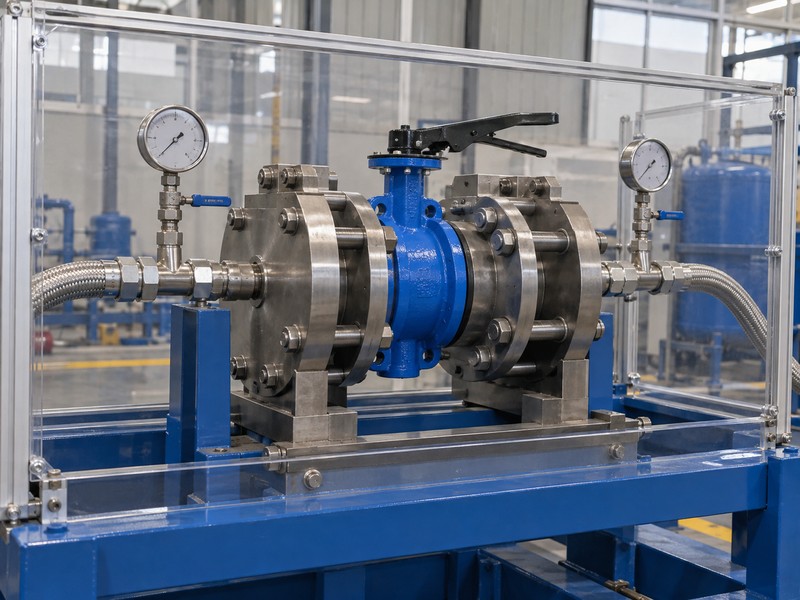
Ask soft seated butterfly valve suppliers to quote and verify the complete actuated assembly. The valve, bracket, coupling, actuator and feedback must match the accepted operating duty. Use the valve torque requirement and minimum available supply to review the drive, with the requested action after loss of air or electrical supply clearly stated.
What should the assembly offer identify?
Identify the available output through travel, specified margin and approved shaft and mounting loads. A pneumatic spring-return selection also needs its required fail stroke checked. Approve the assembly basis. RUITO can review the defined actuation inputs, while your supplier acceptance should retain the actual component references and functional results rather than accept a mounting-flange match as complete verification.
- Declare the minimum supply and required failure action.
- Review torque demand and available output through travel.
- Freeze mounting, feedback and component references with the offer.
Key takeaway: Compare actuated valves as verified assemblies with a defined sizing and functional basis.
| Check | What you should confirm |
|---|---|
| Drive basis | Actual torque demand and minimum available supply |
| Assembly basis | Accepted bracket, coupling and shaft loading |
| Function basis | Travel, indication and the requested fail action |
8. How do soft seated butterfly valve suppliers confirm stock?
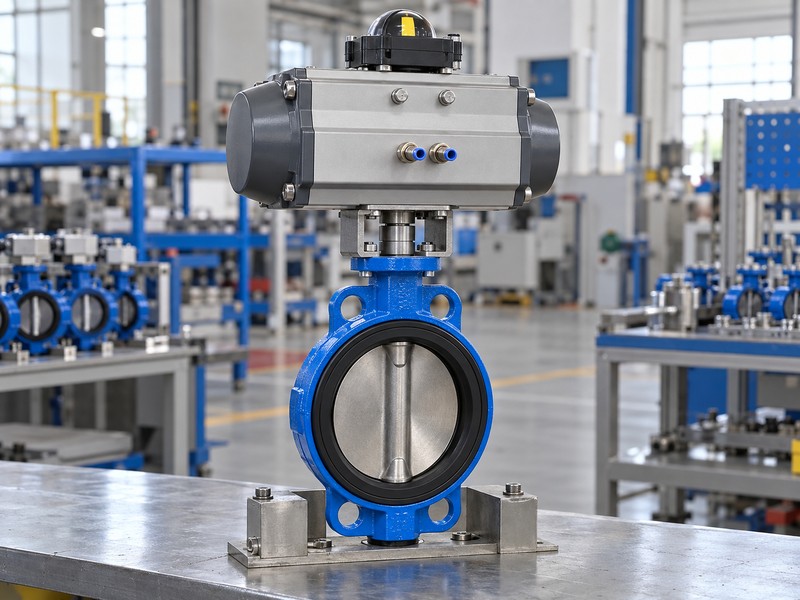
Ask soft seated butterfly valve suppliers to distinguish finished stock, reserved stock, work in progress and planned production. An available DN150 valve is useful only if its seat, flange interface and drive match your order. Request evidence for the exact configuration and a dated release commitment, rather than treating a warehouse photograph as an inventory record.
What should availability evidence include?
The stock response should identify the actual configuration, quantity, location or batch, reservation status and required release inspection. Shipping readiness differs from physical existence on a rack. Verify the exact available line. RUITO reviews stock and production by configuration; special lining or connection variants are not automatically counted in the availability of a standard water-service SKU.
- Request the exact configuration and identifiable available quantity.
- Separate reservation and release inspection from warehouse presence.
- Keep production delivery and transport timing as different commitments.
Key takeaway: An exact stock response identifies what can be released for your order and what still needs work.
| Check | What you should confirm |
|---|---|
| Finished stock | Identified configuration, batch and available quantity |
| Release status | Reservation and outstanding inspection conditions |
| Production scope | Items still requiring manufacture or special configuration |

9. How do soft seated butterfly valve suppliers protect deliveries?
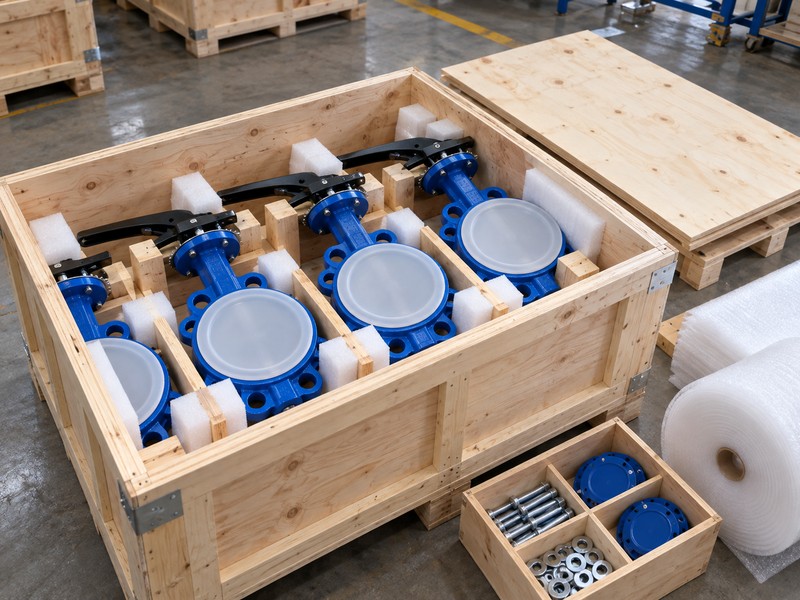
Require soft seated butterfly valve suppliers to protect the valve’s sealing faces, drive and accessories during delivery. Packing should hold the product by suitable supports, not by a handle or fragile fitting. Connect the box contents with the product IDs and order lines, so receiving inspection can check both the physical condition and the delivered configuration.
What should a packing review cover?
Review end-face protection, restraint, separate small parts and the actuator clearance where fitted. Check handling arrangements against product weight and shape. Match packing to the product. RUITO can define packing for the accepted configuration, while your shipment review should identify the actual units and accessories included rather than rely on a generic crate photograph as the final packing list.
- Protect the liner, flange faces and exposed drive components.
- Restrain valves without loading handles or accessory fittings.
- Link box contents with product IDs and supplied accessories.
Key takeaway: Packing acceptance should connect physical protection with an identifiable and complete shipment.
| Check | What you should confirm |
|---|---|
| Protection | The seat, flange faces and drive remain protected |
| Restraint | Suitable supports hold the actual product safely |
| Packing identity | Box contents match the order and product IDs |
10. How do soft seated butterfly valve suppliers support spares?
Review how soft seated butterfly valve suppliers identify spare parts and respond to a reported fault. Valve ID, drawing revision, compound and service conditions help distinguish a component defect from installation or duty mismatch. Agree the information needed for investigation and replacement, with the approved spare reference retained after the initial purchase.
What should a fault report contain?
Supply the affected IDs, photographs, actual fluid and pressure-temperature history, installation details and observed leakage or movement. Identify the affected configuration. RUITO can use those inputs to review the supplied product and correct spare references; your maintenance record should preserve the findings, accepted corrective action and verification before the repaired valve returns to service.
- Keep product and spare-part IDs with the maintenance records.
- Describe the actual fault location and operating history.
- Record the accepted correction and return-to-service verification.
Key takeaway: Supplier support becomes usable when the fault, product and replacement part can be identified precisely.
| Check | What you should confirm |
|---|---|
| Fault identity | Affected product, revision and service conditions |
| Spare identity | The exact approved replacement part and compound |
| Closure record | Accepted action and verification after the correction |
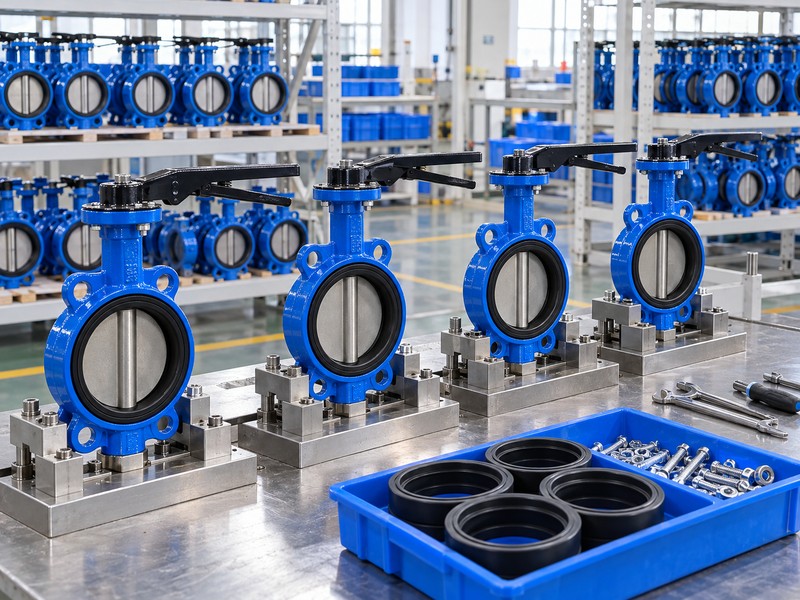
Send RUITO your service sheet, quantity split and required inspection and document scope. We can review the matching configuration, identify remaining inputs and prepare a comparable offer. Contact us before confirming stock or substituting a material, and keep the accepted order-line definition with your purchasing records.
FAQ
Q1: Can I compare quotations using valve price alone?
No. Match materials, interfaces, drive, tests, documents and packing before comparing the commercial total.
Q2: What’s the best evidence of stock?
Use a dated response for the exact configuration and identifiable quantity, including reservation and release-inspection status.
Q3: Can a company certificate approve my drinking-water valve?
Not by itself. Check the actual model, contact materials, size and destination within the relevant product approval scope.
Q4: How do I know if a test report covers my order?
Match its product IDs, configuration and conditions with your accepted inspection plan and delivered valves.
Q5: Can I order a spare from a photograph?
Use the photograph as supporting information. The approved valve ID, drawing revision, compound and part reference identify the required replacement.