
Fix soft seat butterfly valve seat-design mistakes by identifying how the liner is retained, how the flange joint supports it and which parts you can replace. The rubber name answers a material question. A controlled seat section answers the mechanical question that determines installation and repair.
An installer fits a replacement ring because its diameter looks correct, then finds that the disc binds after flange tightening. The profile or shaft-hole geometry may differ from the original. Before ordering a replacement, compare the approved part number and section drawing, then plan the prescribed reassembly test. A visually similar ring is an inspection starting point, not an accepted spare.
1. Which seat design does a soft seat butterfly valve use?
A soft seat butterfly valve may use a removable booted liner, a bonded molded seat or a supported cartridge arrangement. These terms describe retention, rather than the fluid compatibility of the compound. Request the supplied model’s section drawing and spare-part schedule before you decide how to install or maintain it.
What should the section drawing show?
Identify the body groove or retaining feature, shaft passages, flange faces and disc contact profile. A parts list that names only an EPDM seat leaves these mechanical details unresolved. Locate the retaining features. Ask RUITO to identify the actual supplied seat construction and its approved spare reference, without assuming every concentric valve uses the same replaceable ring.
- Identify the liner profile and its body retaining feature.
- Match both shaft openings with the actual shaft arrangement.
- Confirm which items the maintenance schedule permits you to replace.
Key takeaway: Use the supplied section drawing to identify the seat construction before planning maintenance.
| Check | What you should confirm |
|---|---|
| Retention | The exact groove, bond or cartridge support |
| Sealing profile | Disc contact and shaft-region details |
| Service parts | The model’s approved replacement references |
2. How is a booted soft seat butterfly valve seat retained?
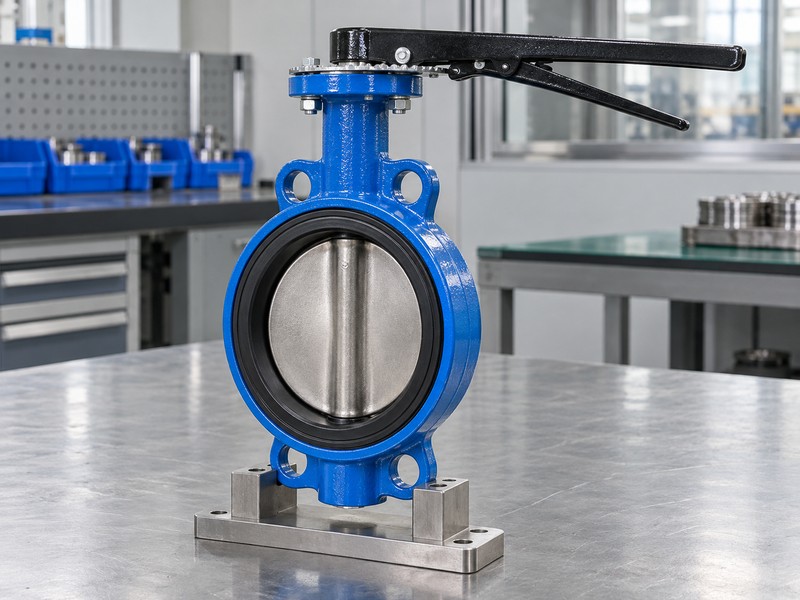
A booted soft seat butterfly valve seat uses a shaped mechanical fit with the body, commonly described as a dovetail arrangement. It is not defined by a permanent bond. During installation, the fitting and flange support must keep the flexible liner correctly seated, with the shaft openings and disc contact profile aligned.
What should you inspect during fitting?
Inspect the groove, mating seat profile and flange-face condition for the delivered model. Twisting or uneven compression can alter contact even when the nominal bore appears correct. Inspect before tightening. Follow the approved insertion and bolt sequence, then verify disc travel before commissioning; do not treat a removable liner as permission to use an unapproved ring or extra gasket.
- Check the mating groove and the liner’s orientation.
- Keep the flange faces aligned without twisting the seat.
- Verify free disc movement at the specified assembly stages.
Key takeaway: A removable seat still needs the correct profile and controlled installation support.
| Check | What you should confirm |
|---|---|
| Profile fit | The approved seat shape and body groove |
| Flange support | Aligned faces and the correct compression procedure |
| Replacement | The exact model and compound reference |
3. How does a molded soft seat butterfly valve seat differ?
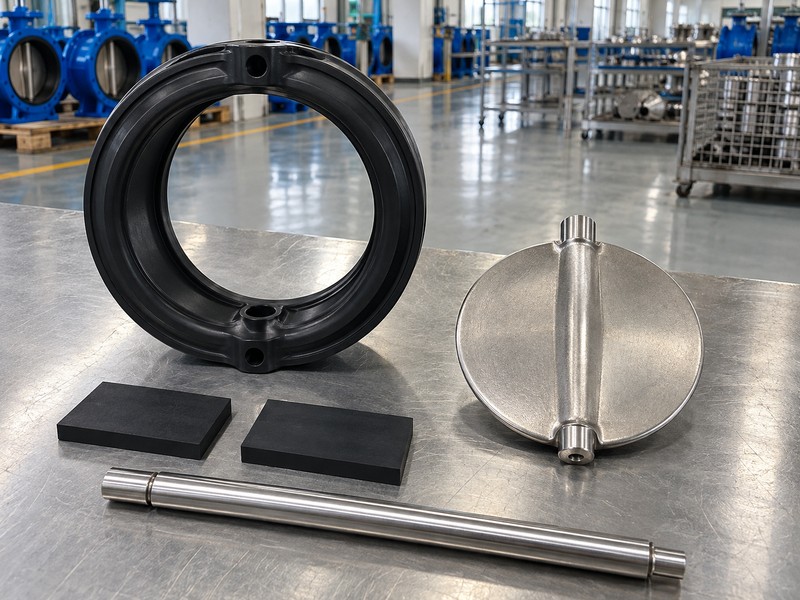
A molded soft seat butterfly valve seat is bonded to the body in the stated manufacturing construction. Its repair route differs from that of an independently removable ring. Check the manufacturer’s maintenance instructions and replacement scope; the product name alone cannot tell your workshop which damage can be repaired or which assembly must be replaced.
What does the bond change for maintenance?
A bonded seat cannot be assumed to lift out like a loose liner. Assess any damage against the approved repair procedure and the actual body-seat construction. Confirm the repair route. Record whether the supplier permits a factory repair, supplies another assembly or requires replacement, and verify the repaired configuration before returning the valve to its original service.
- Read the maintenance instructions for the actual bonded construction.
- Record damage location and the valve’s original service conditions.
- Approve the proposed repair and its verification before disassembly.
Key takeaway: Choose the maintenance route from the model instructions rather than assuming the seat is removable.
| Check | What you should confirm |
|---|---|
| Construction | The documented bond and body-seat arrangement |
| Repair scope | A supplier-approved route for the actual damage |
| Acceptance | Defined material, function and leakage checks |
4. What supports a cartridge soft seat butterfly valve seat?
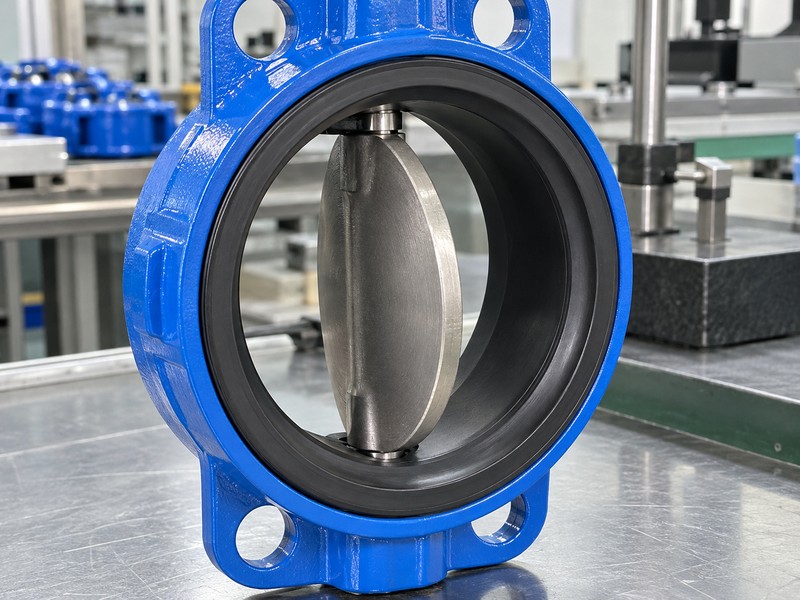
A cartridge soft seat butterfly valve seat uses an elastomer supported by a rigid backing arrangement. The supplied section identifies the backing, retention and sealing profile. That construction can provide a different replacement route from a bonded body seat, but its permitted duty and service parts remain specific to the approved model.
Which cartridge details should match?
Review the backing material, dimensions, shaft passages and body retaining feature together. A correct outside diameter cannot establish the fit of the full cartridge assembly. Check the complete cartridge. If the supplier changes backing or elastomer, review material compatibility, dimensional fit and reassembly evidence instead of assuming the change is equivalent because the disc still turns on the bench.
- Match backing, elastomer and retention with the approved section.
- Keep the replacement cartridge’s part and batch identity.
- Verify the assembled valve under the agreed acceptance conditions.
Key takeaway: Order and verify the cartridge as a defined assembly, not as an interchangeable rubber ring.
| Check | What you should confirm |
|---|---|
| Backing | The stated material and dimensional support |
| Body fit | The correct retaining feature and interface |
| Replacement unit | An identified cartridge for the actual valve |
5. How do flanges affect a soft seat butterfly valve seat?
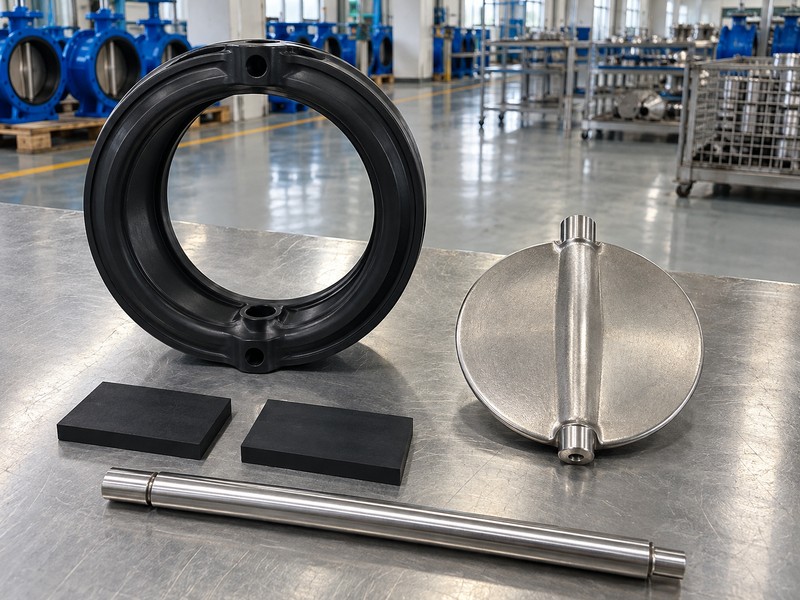
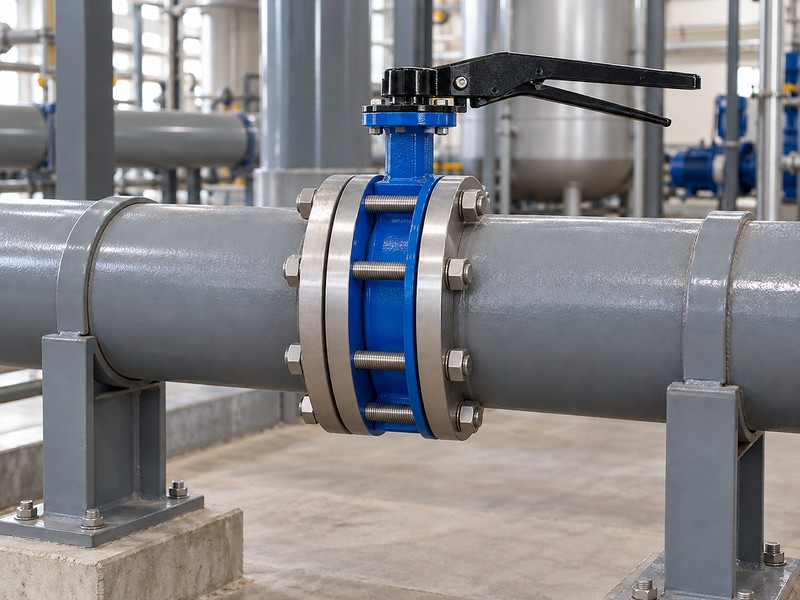
Flanges support and compress a soft seat butterfly valve seat according to the actual valve construction. Their bore, facing, alignment and fastening sequence can affect contact and disc movement. Review the installation manual on extra gaskets, because an added gasket can change compression where the liner already forms the joint sealing face.
What should the installer measure?
Compare the actual flange bore and opening envelope before inserting the valve. Check face condition and support the adjacent pipe ends independently. Check the joint geometry. Follow the specified disc position and bolt sequence during assembly, then confirm free travel; a binding disc calls for an interface investigation rather than a longer operating lever or a larger actuator.
- Confirm flange bore and the disc’s opening clearance.
- Use the specified gasket arrangement and fastener schedule.
- Keep pipe loads and joint alignment within the approved limits.
Key takeaway: Treat flange assembly as part of the sealing design when installing or replacing the seat.
| Check | What you should confirm |
|---|---|
| Bore clearance | The disc sweeps without contacting adjacent components |
| Compression | The manual’s gasket and tightening requirements |
| Pipe support | The valve does not correct an unsupported misalignment |
6. How does flow affect a soft seat butterfly valve seat?
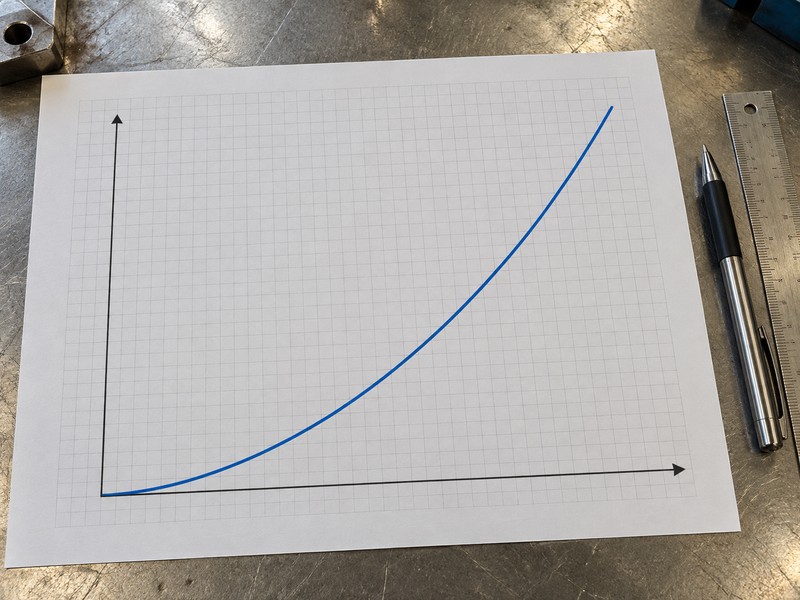
Flow affects a soft seat butterfly valve seat through pressure differential, operating position and any particles contacting the disc and liner. A material-compatible seat can still face an unsuitable hydraulic duty. Provide the flow range, pressure budget, fluid properties and solids information when you request the model’s approved coefficient and operating limits.
Which hydraulic claims need model data?
A conceptual flow curve describes a trend, rather than a guaranteed wear limit. The approved coefficient at the chosen opening supports the liquid sizing calculation; it does not establish unrestricted throttling or vacuum performance. Use model data. Review cavitation, obstruction and particle risks separately, then keep the hydraulic selection and material acceptance tied to the same supplied configuration.
- State the full flow range and allowable pressure loss.
- Describe particle hardness, size and fibre content.
- Confirm the permitted operating positions and pressure differential.
Key takeaway: Combine flow suitability with seat compatibility before approving continuous operation at a selected opening.
| Check | What you should confirm |
|---|---|
| Coefficient | Approved data for the selected model and opening |
| Solids | The actual particle and fibre description |
| Seat exposure | The approved hydraulic and material duty together |
7. How does a soft seat butterfly valve seat affect torque?
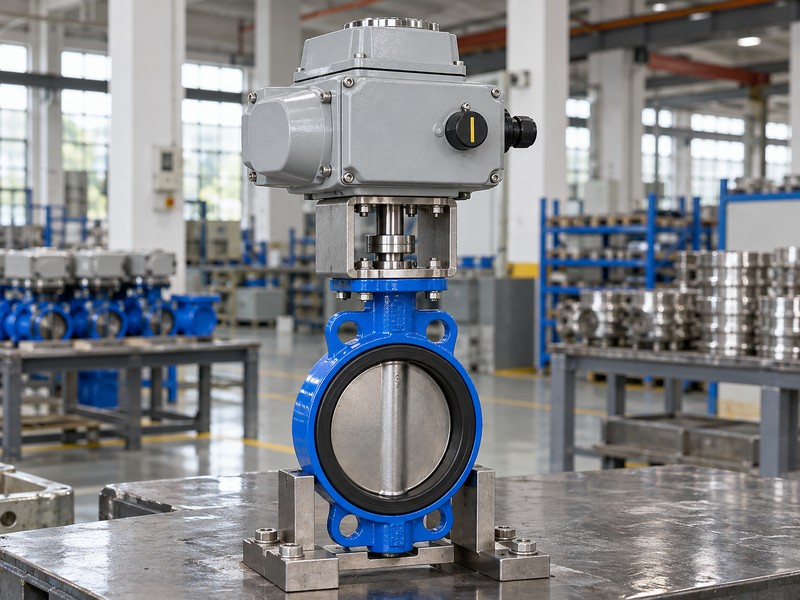
The seat of a soft seat butterfly valve affects breakaway, running and closing torque through its contact profile and condition. Installation compression, temperature and fluid exposure can change that demand. Size the drive from model torque data at the actual duty and minimum supply, then verify the final assembly’s travel and feedback.
What can a repair change?
A different profile or compound may change torque even when the pipe size stays the same. Incorrect indexing can also cause the actuator to stop before adequate closure or force the disc beyond its approved position. Verify the assembled travel. After replacement, follow the stated functional and leakage checks before deciding that a stronger actuator is the answer to increased resistance.
- Compare the new seat with the approved profile and compound.
- Check closing stops against the actual disc position.
- Size the actuator at the stated minimum available supply.
Key takeaway: A seat replacement needs an assembly check because it can alter contact, torque and travel.
| Check | What you should confirm |
|---|---|
| Seat demand | Torque at the actual fluid and pressure conditions |
| Drive output | Available output throughout the required travel |
| Repair result | Correct indexing and verified closure after assembly |
8. Can a soft seat butterfly valve seat handle vacuum?
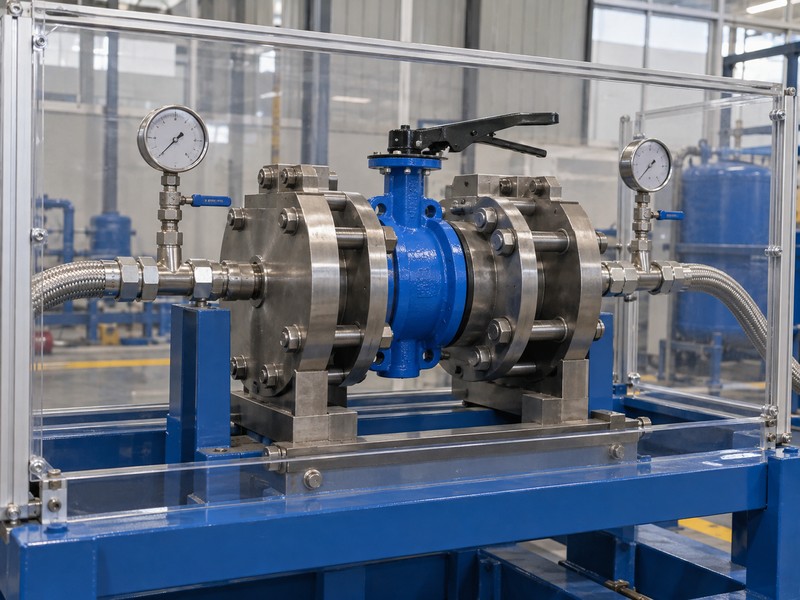
Vacuum suitability for a soft seat butterfly valve must be declared for the actual assembly and minimum absolute pressure. A seat style or positive-pressure rating does not establish that qualification. State the fluid, temperature, reduced-pressure conditions and cycling pattern, then request the supplier’s accepted configuration and validation scope.
What should your review distinguish?
Consider lining or seat retention, shaft sealing and any supporting components under the proposed reduced pressure. A conventional water pressure test does not settle those questions. State absolute pressure. Keep the vacuum duty separate from end-of-line service and from ordinary forward closure, and obtain the required configuration-specific evidence before using the valve in a suction or evacuated system.
- Provide the lowest absolute pressure expected in operation.
- Identify temperature, fluid and reduced-pressure cycling.
- Request the actual model’s retention and sealing qualification.
Key takeaway: Require a declared vacuum scope; positive-pressure inspection cannot establish it by itself.
| Check | What you should confirm |
|---|---|
| Vacuum input | Minimum absolute pressure and service cycle |
| Retention | The supplied seat and supporting construction |
| Evidence | Configuration-specific reduced-pressure validation |
9. How do you repair a soft seat butterfly valve seat?
Repair a soft seat butterfly valve seat through the approved model procedure after safely isolating, depressurizing and preparing the valve. Identify the damaged component and its part reference before dismantling. Protect the shaft-retention arrangement and disc edge during the work, and plan the prescribed functional and leakage checks before return to service.
What should the workshop record?
Record the valve ID, damage location, service history, replacement compound and approved drawing revision. Check the reassembled valve under the governing pressure-test method, such as ISO 5208, where specified by the contract. Keep the repair traceable. A workshop photograph shows condition, while the acceptance record should establish the material, assembly and test basis for the returned product.
- Use the correct spare and model-specific disassembly procedure.
- Retain shaft and disc components in their approved arrangement.
- Complete the specified function, external-leakage and closure checks.
Key takeaway: Return the valve to service against a recorded acceptance basis after the approved repair.
| Check | What you should confirm |
|---|---|
| Before repair | Valve ID, duty and identified damage |
| Replacement | Approved part, compound and assembly revision |
| After repair | Recorded function and leakage acceptance |
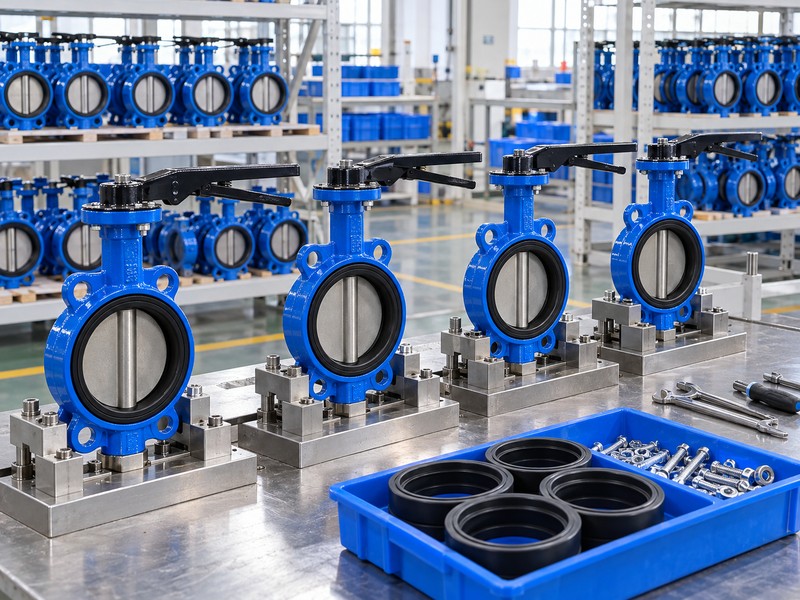
10. What records identify a soft seat butterfly valve spare?
A soft seat butterfly valve spare needs the valve ID, seat profile, compound, drawing revision and approved part reference. DN and colour do not identify the complete component. Keep that information with the order and maintenance history so a future purchaser can request the same accepted replacement rather than guess from a worn sample.
How should repeat supply be controlled?
Require notice before changing a seat, backing material or profile, then record the engineering decision and required verification. Keep inspection results linked to the actual replacement batch. Preserve the approved identity. RUITO can review the service inputs and supplied configuration when identifying replacement parts; the customer should retain the accepted record and installation instructions with the maintained valve.
- Send the original valve and spare-part identifiers with the enquiry.
- Record the accepted revision and replacement batch.
- Approve changes before releasing repeat or substitute components.
Key takeaway: A traceable spare reference preserves the same valve definition across maintenance and purchasing teams.
| Check | What you should confirm |
|---|---|
| Product identity | Valve ID and exact approved seat reference |
| Technical identity | Compound, profile and supporting construction |
| Maintenance identity | Repair date, replacement batch and acceptance result |
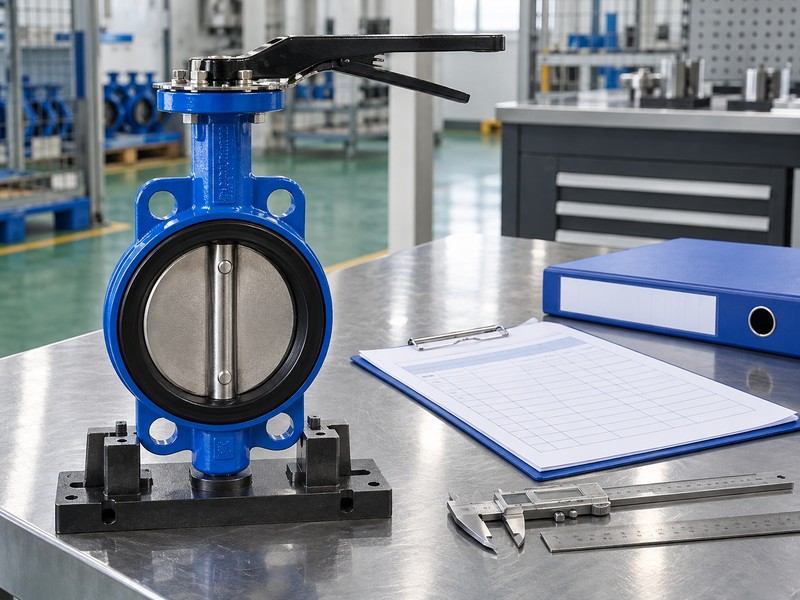
Send RUITO the valve ID, seat section, service conditions and photographs of the affected area. We can review the supplied configuration and identify the correct part and inspection scope for your enquiry. Contact us before purchasing an unverified replacement ring or changing the actuator.
FAQ
Q1: Can I choose a seat from DN alone?
No. Retention, profile, shaft passages and compound must match the actual model and approved spare reference.
Q2: Can I remove a molded seat like a booted liner?
Do not assume that repair route. A bonded construction requires its manufacturer’s stated maintenance or replacement procedure.
Q3: What’s the best seat style for vacuum?
Use the style and assembly qualified for your stated minimum absolute pressure. A seat-family name cannot establish the rating.
Q4: How do I know if the replacement changed torque?
Compare verified assembly behaviour with the approved torque basis. Investigate profile, compression and indexing before increasing actuator size.
Q5: Can a water test approve every repair?
No. Apply the configuration’s specified function, leakage and any special-duty checks, with the actual replacement material identified.