
Select a "spring return vacuum butterfly valve" by defining the vacuum duty and leakage requirement before matching its return actuator. A positive-pressure rating does not establish vacuum suitability. Separate the valve's vacuum performance from its spring-driven movement so the offered assembly can be reviewed against both requirements without borrowing another configuration's limits.
1. What is a spring return vacuum butterfly valve?
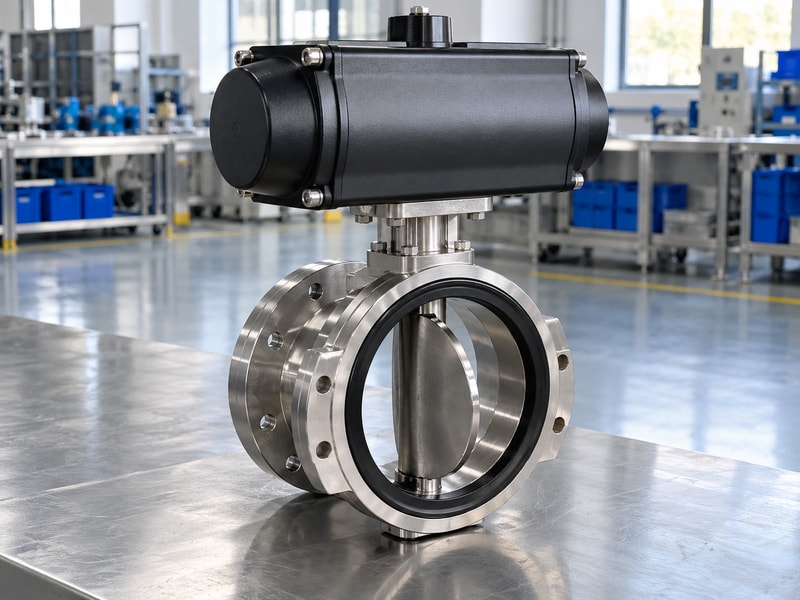
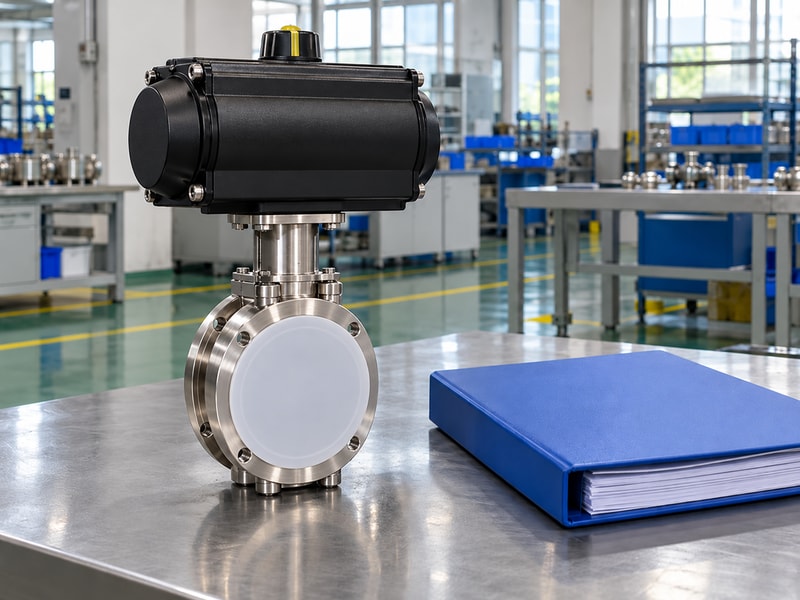
A spring return vacuum butterfly valve combines a butterfly valve suitable for a specified vacuum duty with an operator that uses spring energy for a defined return movement. The vacuum qualification concerns the pressure boundary, seals, materials, cleanliness, and leakage behavior. The return qualification concerns torque, travel, controls, and the required failure response. Both need configuration-specific evidence.
A standard industrial butterfly valve fitted with a spring-return operator does not acquire a vacuum rating from that change alone.
Separate isolation from pressure control
A vacuum isolation duty asks the valve to separate parts of a system under specified conditions. A pressure-control duty also needs the appropriate flow conductance, positioning, controller behavior, and response for the process. The two duties may use different valve and control configurations. Start with the required function when reviewing a butterfly valve configuration.
Do not assume that an on-off spring-return assembly has the positioning performance needed to regulate chamber pressure throughout a process cycle.
- Define isolation, pressure control, or both.
- Request separate vacuum and actuation evidence.
| Requirement | Evidence |
|---|---|
| Vacuum isolation | Pressure range, seals, and leakage criteria |
| Pressure control | Conductance, positioning, and control behavior |
| Spring return | Torque, travel, failure action, and timing |
2. Which absolute-pressure conditions must be specified?
A spring return vacuum butterfly valve needs the minimum and maximum absolute pressures at each side of the disc, plus the associated temperatures and process states. State the units and pressure reference explicitly. Include pump-down, normal operation, venting, isolation, and any permitted positive-pressure condition. A gauge-pressure description or a nominal pressure class can leave the vacuum requirement unclear.
The valve's permitted differential pressure and opening conditions also need to be matched to the actual sequence.
Describe both sides during each operating step
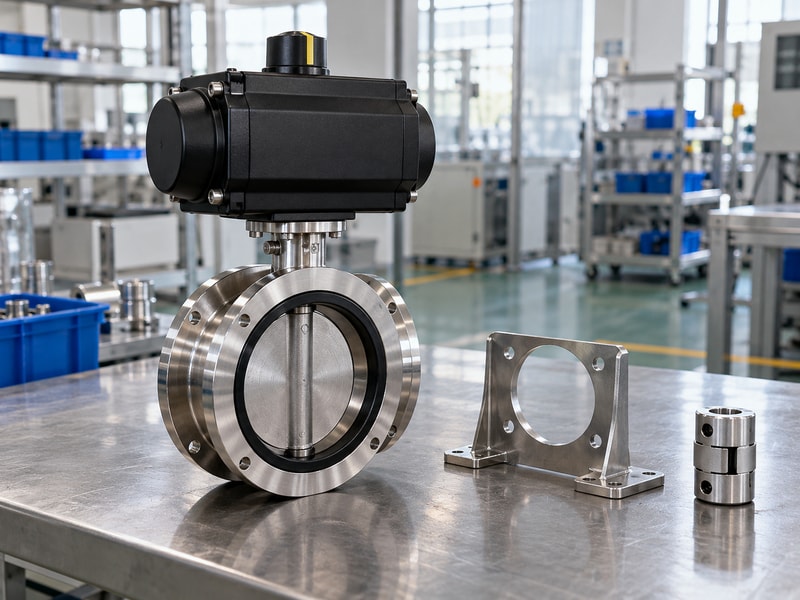
During pump-down, one side of the valve can be at a different pressure from the other. During venting or maintenance, that relationship may reverse. Give the supplier a sequence showing the pressure conditions before opening, during movement, and after closure. Identify whether opening against the full differential is required or whether another part of the system equalizes pressure.
Do not assume a valve may be operated under every differential merely because it can remain closed while containing it.
- Use absolute pressure with clearly stated units.
- State differential pressure and direction during movement.
| Operating step | Data needed |
|---|---|
| Pump-down | Pressure on both sides and required valve state |
| Isolation | Pressure difference, direction, and duration |
| Venting or restart | Permitted sequence and opening differential |
3. How do external leakage and seat leakage differ?
A spring return vacuum butterfly valve can have external leakage through its pressure boundary or internal leakage across its closed disc. External leakage admits gas through a path such as a body joint, flange seal, or shaft sealing arrangement. Seat leakage connects the two process sides through the closed valve. Specify the permitted leakage for each relevant path.
A single leak-tight description leaves the acceptance boundary and test method unresolved.
Agree the measurement and conditions
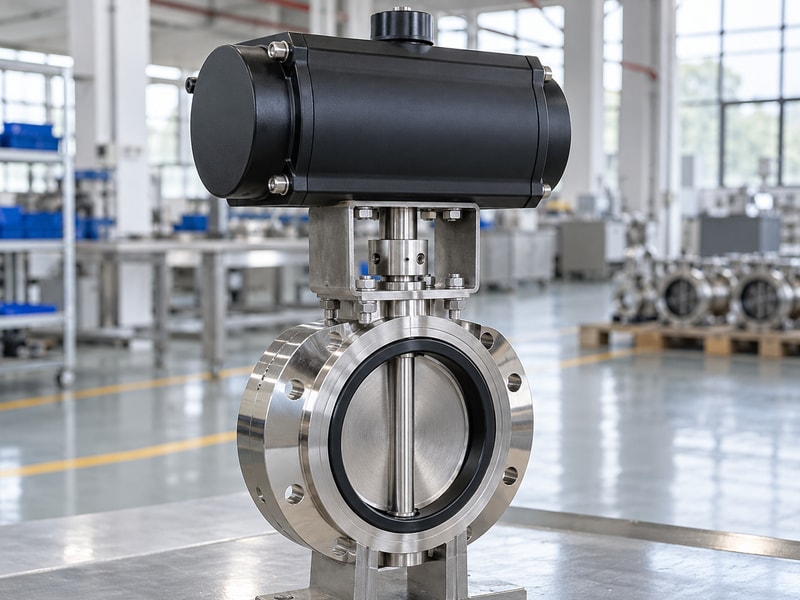
State the test gas, pressure conditions, temperature, method, duration or stabilization requirement, and acceptance units where these are part of the project specification. A detector reading from an unspecified test cannot be compared reliably with another supplier's number. Valve position indication also cannot replace leakage evidence. If the process requires a specialist vacuum leak test, identify the exact configuration and procedure it covers rather than extending a general industrial pressure-test report to that duty.
- Define external and across-seat leakage separately.
- Retain test conditions with the reported result.
| Leakage path | Boundary to specify |
|---|---|
| External | Atmosphere or another external region into the vacuum space |
| Across seat | One process side to the other with the valve closed |
| Test system background | How the measurement separates valve leakage from other sources |
4. What seal and material details affect vacuum service?
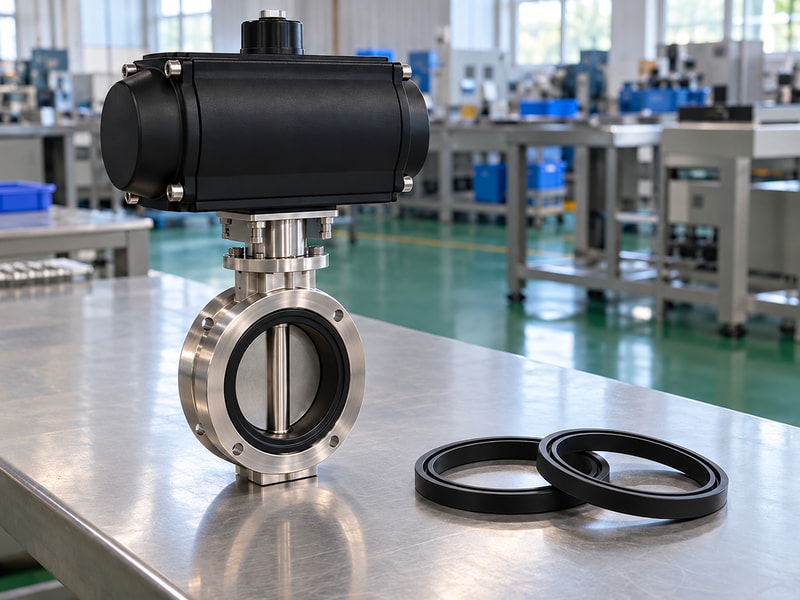
Materials in a spring return vacuum butterfly valve must suit the process gas, pressure range, temperature, cleaning method, and contamination limits. Review the disc seal, shaft sealing arrangement, body joints, flange seals, lubricants, and any lining or backing. Elastomer permeation and material outgassing can matter in vacuum service as well as discrete leak paths. A stainless body or an elastomer color does not establish the complete valve's vacuum suitability.
Ask about the complete wetted and exposed system
Specify the actual process chemistry, condensable vapors, particles, and cleaning residues that can contact the valve. For a lined butterfly valve, obtain configuration-specific minimum absolute pressure and retention limits rather than assuming that chemical resistance establishes vacuum capability. Temperature and pressure can affect the liner, backing, and seals together. Keep approved cleaning and lubrication instructions with the assembly so a maintenance material does not introduce a contamination source or change seal behavior.
- Review seals, auxiliary materials, and cleaning residues.
- Confirm vacuum limits for the exact lining system where used.
| Material issue | Review item |
|---|---|
| Process compatibility | Gas, vapor, condensate, and cleaning chemistry |
| Gas load | Relevant outgassing and permeation requirements |
| Mechanical stability | Seal and liner behavior at the specified absolute pressure |
5. How should the return actuator be matched?
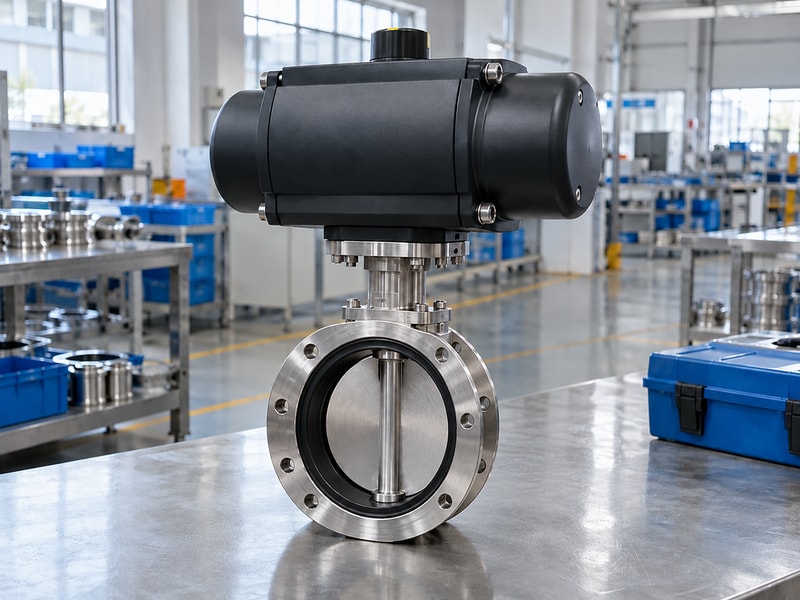
Match the spring return vacuum butterfly valve actuator using the valve load under the specified vacuum and differential-pressure conditions. Check the normal and spring-driven strokes over their required travel. Include seal friction, seating load, temperature, and the manufacturer's sizing allowance. The actuator normally transmits torque through an external drive connection; its utility circuit has a different boundary from the process vacuum space.
Keep those boundaries explicit in the assembly drawing.
Verify the mechanical interface separately
Check shaft geometry, engagement, mounting alignment, and the permitted torque of the drive connection and bracket. Where applicable, review the ISO 5211 attachment scope with the agreed interface and edition. The complete assembly still needs its own matching data. For a proposed butterfly valve package, ask which pressure case and return-travel region controls selection.
An actuator's peak catalogue output does not show that it can complete the required return under the actual valve load.
- Use vacuum-duty valve torque data.
- Keep utility and process boundaries distinct.
| Matching check | Required input |
|---|---|
| Valve load | Seal, temperature, pressure differential, and travel |
| Actuator output | Available output through both required strokes |
| Drive interface | Geometry, alignment, and permitted loads |
6. Which fail position protects the vacuum process?
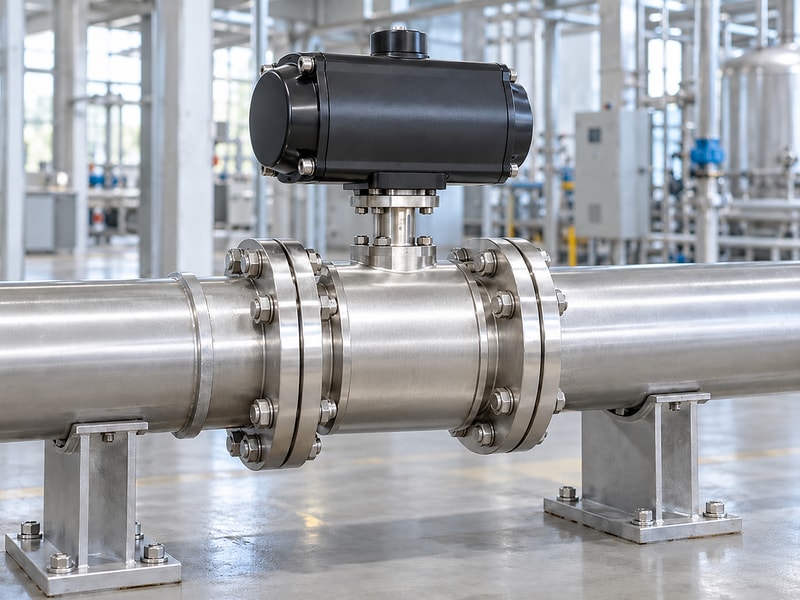
The fail position of a spring return vacuum butterfly valve must follow the system's required response to a named failure. Closing may isolate a chamber or pump in one arrangement, while another sequence may require a different action. Review the actual pump, chamber, venting, and process conditions with the system designer. Spring return describes how the valve moves, but it does not determine which endpoint is correct for every vacuum system.
Review utility loss and pressure equalization
Specify loss of actuator air, electrical power, and control signal separately, along with utility restoration. Identify whether pressure equalization is needed before reopening and how that step is interlocked. Include permitted return time and feedback states in the sequence. A valve shutting quickly does not by itself establish pump protection, contamination control, or an acceptable chamber transient.
Those outcomes depend on the full system arrangement and the conditions under which the valve moves.
- Define the response for each failure and restoration event.
- State any required equalization or reset step.
| Event | System question |
|---|---|
| Utility failure | Which valve endpoint is required? |
| Isolation | What pressure relationship remains across the disc? |
| Reopening | Is equalization or a controlled reset required? |
7. What installation practices preserve the reviewed configuration?
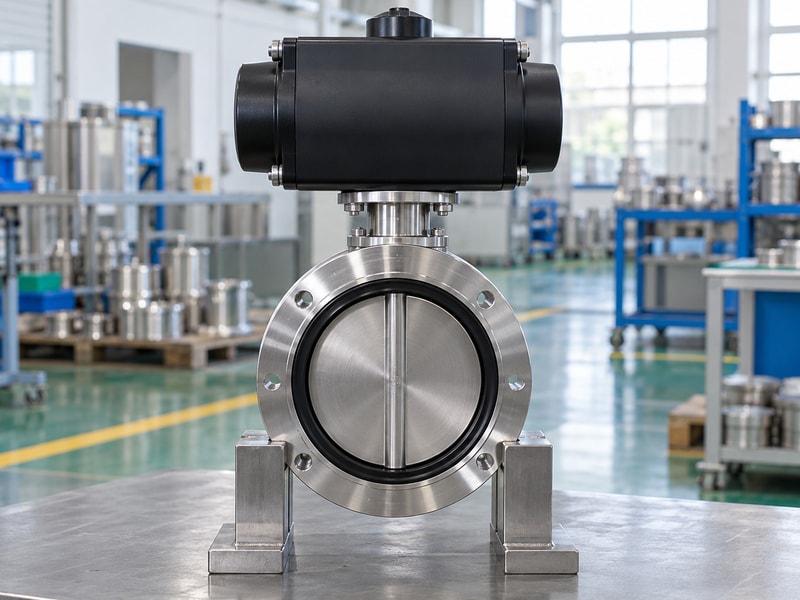
Install a spring return vacuum butterfly valve with the exact flange, seal, cleanliness, support, and alignment arrangements specified for the assembly. Check the actual connection type rather than matching only a nominal diameter. Keep sealing faces protected during handling and use the approved cleaning and assembly procedure. Pipe loads, distorted flanges, trapped debris, or an incorrect seal can compromise the installed system even when the valve has suitable factory evidence.
Inspect the connection before exposing the system
Confirm the flange dimensions, seal form, fastening arrangement, disc clearance, and operator envelope from the approved drawing. Use the specified lifting points and support the adjoining piping independently. Avoid transferring an industrial gasket practice to a specialist vacuum connection without checking its procedure. After assembly, assess the installed leakage boundary under the agreed test conditions.
Record any cleaning, seal replacement, or connection change so the final acceptance record identifies the configuration actually placed into service.
- Protect sealing surfaces and control contamination.
- Use the specified connection and assembly procedure.
| Installation item | Check |
|---|---|
| Flanges and seals | Correct dimensions, seal form, and condition |
| Mechanical arrangement | Alignment, support, and movement clearance |
| Cleanliness | Approved handling, cleaning, and assembly materials |
8. Which tests should cover the complete assembly?
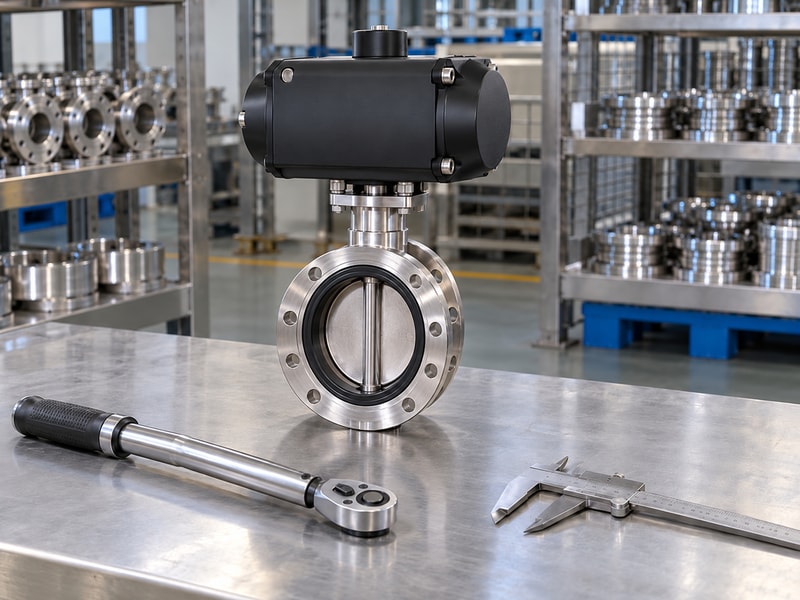
Testing a spring return vacuum butterfly valve should cover the specified vacuum leakage boundaries and the required actuator function as distinct acceptance items. Agree the pressure cases, test method, temperature, cleanliness condition, measurement basis, and criteria before supply. Record normal travel, failure-event return, endpoint, timing, and feedback for the complete assembly. A general positive-pressure shell test and a no-load actuator demonstration cannot establish all of these requirements.
Keep component and system tests in context
Factory evidence identifies what was tested on the offered valve assembly. Installed system tests add the actual piping joints, utilities, controls, and process sequence. State which checks belong at each stage and how background leakage or gas load is handled in the measurement. After replacing seals, disturbing a flange, or changing the operator, repeat the tests affected by the work.
Keep measured results tied to the unit identification, configuration, method, and test conditions.
- Separate external leakage, seat leakage, and actuation checks.
- Identify the additional installed-system acceptance boundary.
| Acceptance item | Record |
|---|---|
| Vacuum leakage | Path, method, conditions, units, and result |
| Return function | Initial state, event, travel, timing, and endpoint |
| Installed system | Joints, controls, utilities, and remaining checks |
9. What should you confirm with the supplier?
Confirm the spring return vacuum butterfly valve's exact vacuum duty, assembly scope, materials, interfaces, actuator matching, and test evidence with the supplier before ordering. State whether the application is an industrial vacuum duty or a specialist vacuum process with additional cleanliness and gas-load requirements. Ask which offered configuration covers the requested conditions. Do not extend the capabilities of a general industrial valve range to high-vacuum service without the corresponding technical evidence.
Make the requested qualification explicit
Send the minimum absolute pressure, pressures on both sides through the operating sequence, process chemistry, temperature, required leakage criteria, connection details, utilities, and failure response. Confirm with RUITO whether an offered industrial configuration covers that duty; request separate evidence for specialist vacuum service. The quotation should identify unresolved requirements and any proposed exclusions. Keep the approved assembly, cleaning instructions, spares, and acceptance records together so a later replacement retains the same reviewed boundary.
- Request configuration-specific vacuum limits and evidence.
- Resolve specialist-service requirements before accepting the offer.
| Purchase input | Supplier confirmation |
|---|---|
| Vacuum duty | Pressure range, process, and temperature coverage |
| Complete assembly | Seals, connections, drive, and failure behavior |
| Qualification | Specified tests, criteria, documents, and exclusions |
10. What should vacuum-system buyers ask before approval?
Q1. Can a PN rating prove vacuum suitability?
No. Obtain the exact configuration's vacuum limits, sealing arrangement, materials, and specified leakage evidence. A positive-pressure designation answers a different part of the service review.
Q2. Does a closed signal prove vacuum isolation?
No. Position feedback reports an adjusted mechanical state. Vacuum isolation needs the specified leakage criterion and test for the relevant boundary.
Q3. Can I assume the fail position should always be closed?
No. The required position depends on the chamber, pump, venting, and process sequence. Define and test each relevant utility or signal failure.
Q4. What is the best pressure reference to put on the inquiry?
State absolute pressure with units and identify conditions on both sides of the disc. Include pump-down, isolation, venting, and any permitted positive-pressure case.
Q5. Can an industrial lined valve serve a specialist vacuum process?
Only with configuration-specific evidence covering the requested duty. Chemical resistance or an industrial product description alone does not establish vacuum retention, cleanliness, or leakage performance.
Provide the absolute-pressure sequence and required leakage criteria when you contact us. RUITO can review whether an offered configuration covers the stated duty and which evidence is still required.