
How to Choose Supervisory Butterfly Valve Spares Without Mistakes
Order a supervisory switch for butterfly valve repair against the identified original assembly, the manufacturer’s permitted replacement arrangement, and the project’s acceptance requirements. A similar housing or familiar contact label leaves several compatibility questions unanswered. Give the supplier the valve and operator identity, existing supervision details, and required handover evidence before accepting a replacement proposal.
1. Which supervisory switch for butterfly valve repair fits?
The suitable replacement is the device or assembly documented for the original valve, operator, and required normal position. A supervisory switch for butterfly valve repair should be linked to the actual asset before a part number is accepted. The switch model alone may not describe the complete arrangement it must fit.

Collect the available manufacturer information, assembly drawings, instructions, previous accepted changes, and relevant asset records. Use existing photographs or an authorized identification review to fill gaps without disturbing the installation outside the project’s controls. Record any uncertainty instead of treating a partly readable label as a confirmed identity.
Build an identity record before requesting a part number
Ask the supplier what additional information it needs to identify the permitted replacement. Distinguish confirmed details from assumptions, including whether the operator or switch has changed since original commissioning. Where the original arrangement cannot be established, request a technical review before buying a candidate spare.
- Identify the valve and operator as well as the existing switch.
- Associate the records with the correct asset and location.
- Mark missing or uncertain details for manufacturer clarification.
| Identity item | Record to obtain |
|---|---|
| Installed asset | Valve tag, location, and service |
| Valve and operator | Manufacturer, model, and relevant assembly version |
| Supervision device | Identified component and applicable instructions |
| Prior changes | Accepted alterations and supporting records |
An unresolved assembly identity can change the scope from a spare-part order to a replacement-engineering enquiry.
2. Is the original switch integral or an external accessory?
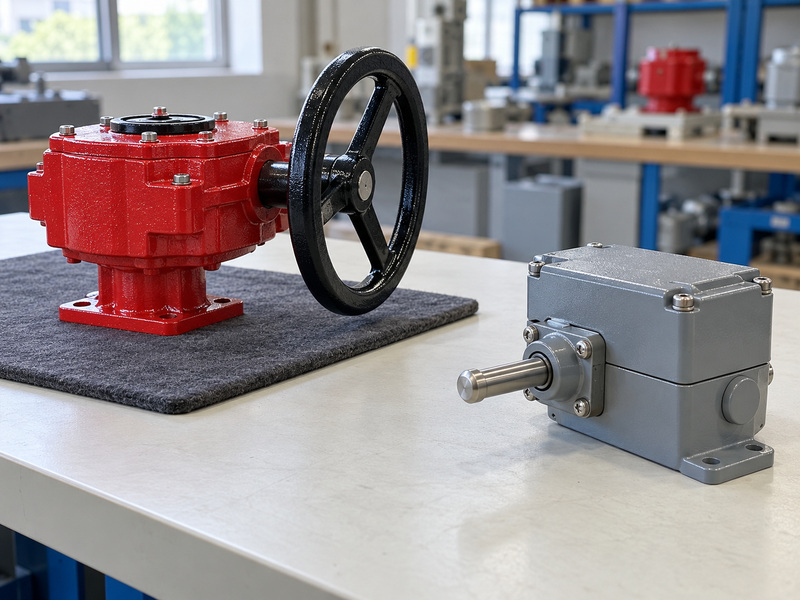
A supervisory switch for butterfly valve service may be part of an integral operator package or a separately mounted accessory arrangement. Establish which construction you have before defining the supply unit. Replacing an entire documented gear-switch assembly and buying an individual external switch are different procurement scopes.

Even within a grooved end butterfly valve range, the connection description cannot establish how supervision is incorporated. Ask for the exact assembly document. It should identify the permitted replacement unit and the relationship between the valve, operator, and switch components.
Let the manufacturer’s replacement scope define the order
The Series 765/705 instructions, for example, direct users to a separate gear-operator replacement instruction and specify the manufacturer’s replacement parts. That is an arrangement-specific route. It does not establish permission to replace another integral package with a generic external accessory.
- Determine whether the proposed supply unit is an assembly, kit, or individual part.
- Obtain the instructions that apply to that replacement route.
- List additional hardware and project work outside the supplier’s scope.
| Existing construction | Question for the manufacturer |
|---|---|
| Integral gear-switch package | What replacement unit and instructions apply? |
| External accessory | Which switch and mounting arrangement are permitted? |
| Unknown or altered package | What review is needed to identify an accepted replacement? |
Use the confirmed supply unit in the order description so quotation comparisons address the same work boundary.
3. Which sensing target must the replacement match?
The supervisory switch for butterfly valve repair must suit the documented mechanical target and the physical normal position required by that assembly. Identify what moves the sensing mechanism and how the manufacturer defines its intended operation. Similar external dimensions cannot establish the same relationship with a gear, shaft, flag, or other target.
The official PIBV2 instructions describe that model’s actuator engaging a valve target or flag under specified mounting conditions. This is a particular device arrangement. Its application description is not permission to fit it to every butterfly valve or to modify an unidentified operator.
Request evidence for the mechanical relationship
Ask the manufacturer to confirm the proposed device against the identified valve and operator, including its permitted sensing arrangement and normal-position basis. Record any mounting or orientation restrictions in the technical response. Physical adjustment and site verification belong to qualified authorized personnel following the actual instructions and project plan.
- Identify the original sensing target from the applicable assembly evidence.
- Obtain confirmation of the replacement’s permitted relationship with that target.
- Refer an altered or undocumented mechanism for a specific review.
| Mechanical relationship | Evidence to request |
|---|---|
| Target identity | Exact valve/operator description or drawing |
| Sensing arrangement | Manufacturer instructions for the proposed device |
| Required normal position | Accepted service and supported mechanism |
| Existing alteration | Review of the change and its acceptance basis |
Keep the candidate unaccepted when the supplier can identify the switch but cannot support its relationship with the installed mechanism.
4. What makes a retrofit kit an acceptable candidate?
Treat a supervisory switch for butterfly valve retrofit as a candidate only when the identified kit covers the proposed valve and operator arrangement and any required approval conditions can be met. A kit name or a bag of brackets cannot establish that coverage. Obtain the component list and application documents before comparing prices.
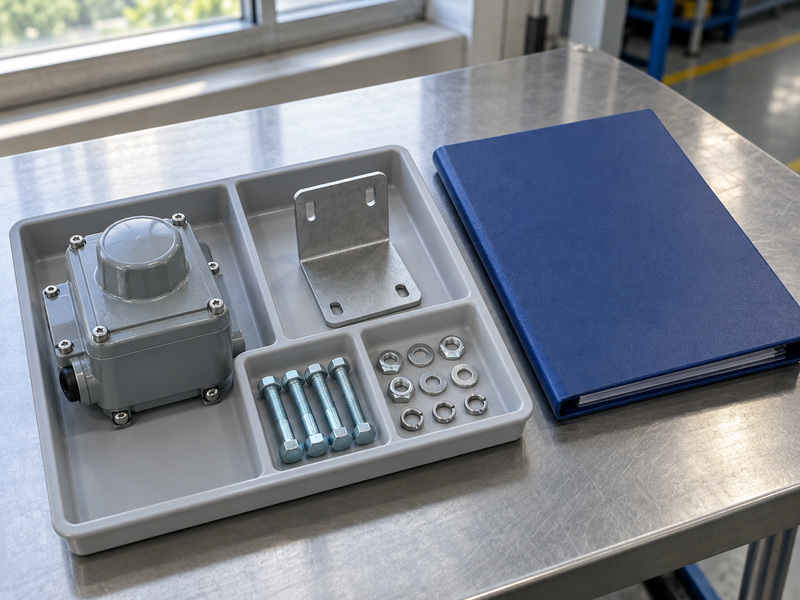
The Potter PCVS publication identifies distinct mounting-kit applications and notes approval conditions for particular arrangements. Those entries describe specific uses. They should not become a universal permission to add the switch to another valve or operator combination.
Compare kit coverage with the actual asset
Have the supplier identify the exact switch, mounting components, instructions, and any separately required parts in its proposal. Ask the project reviewer to assess the configuration and product-approval implications. Adding a position switch to an ordinary valve cannot by itself establish approval of the completed assembly for fire service.
- Match the kit’s documented application with the installed equipment identity.
- Confirm included and separately supplied parts.
- Obtain acceptance of relevant configuration and approval differences.
| Kit proposal item | What must be established |
|---|---|
| Application coverage | Identified valve and operator relationship |
| Contents | Switch, mounting parts, hardware, and instructions |
| Exclusions | Items and work assigned to another party |
| Approval conditions | Evidence and reviewer required before acceptance |
A proposal that leaves the underlying application unidentified remains a technical enquiry, even if a kit price is available.
5. Which mechanical and environmental details need review?
Review the mounting interface, operating envelope, enclosure, entries, and ambient exposure for the supervisory switch for butterfly valve service being proposed. Preserve the restrictions that accompany the exact device and assembly. An accessory that fits an available space can still have an unsupported orientation or environmental condition.

The same identification discipline applies to a wafer butterfly valve or a flanged butterfly valve; the body style alone does not define its accessory interface. Review the actual operator and mounting documents. Do not infer accessory suitability from connection type.
Keep mounting and enclosure conditions together
The PIBV2 manual attaches its stated enclosure classification to a particular orientation and gives additional mounting limitations. Obtain the equivalent conditions for the proposed replacement. Have the responsible reviewer check them against the actual location, available access, conduit arrangement, and exposure before accepting a different housing or mounting method.
- Confirm the mounting arrangement and permitted orientation.
- State ambient exposure and enclosure-entry requirements.
- Include access for the documented service and replacement tasks.
| Review area | Comparison required |
|---|---|
| Mounting | Permitted interface and identified operator |
| Envelope | Space for the complete replacement arrangement |
| Environment | Actual exposure and product restrictions |
| Entries and fittings | Documented enclosure conditions |
An unresolved environmental or mounting condition should remain an exception in the replacement proposal.
6. How should the existing monitoring input be checked?
Check a supervisory switch for butterfly valve replacement against the actual monitoring input and panel documentation already associated with the asset. Existing use does not establish compatibility for a changed contact or device. Ask the electrical reviewer to identify the interface requirements and compare them with the proposed replacement’s documented characteristics.

Keep contact function, contact rating conditions, input detection requirements, and panel event interpretation in separate fields. Request clarification for any minimum-load or low-level condition relevant to the selected input. A familiar normally open or normally closed label cannot establish the whole interface or the required mechanical normal position.
Review the proposed differences rather than repeating assumptions
Have the supplier state which electrical characteristics remain the same and which change. The project electrical specialist should determine whether the identified input, panel, and accepted point definition still apply. Keep a written response where compatibility cannot be established from the actual device documents.
- Identify the installed input and panel with their applicable documents.
- Compare the proposed output’s function and operating conditions.
- Record the accepted interface decision against the asset.
| Interface item | Replacement question |
|---|---|
| Contact purpose | Does the required supervision output remain supported? |
| Electrical conditions | Are the actual sensing requirements covered? |
| Input and panel | Does the proposed device retain accepted compatibility? |
| Point definition | Does the documented condition still represent the intended asset? |
Leave the electrical review open when a proposed spare is described only by contact labels and a maximum rating.
7. What if the original component is discontinued?
Obtain a written replacement recommendation and the required technical and approval review when the original component is discontinued. A supervisory switch for butterfly valve repair needs an accepted replacement basis, even when an exact spare cannot be sourced. A distributor’s visual cross-reference can identify a candidate but cannot settle all application questions.
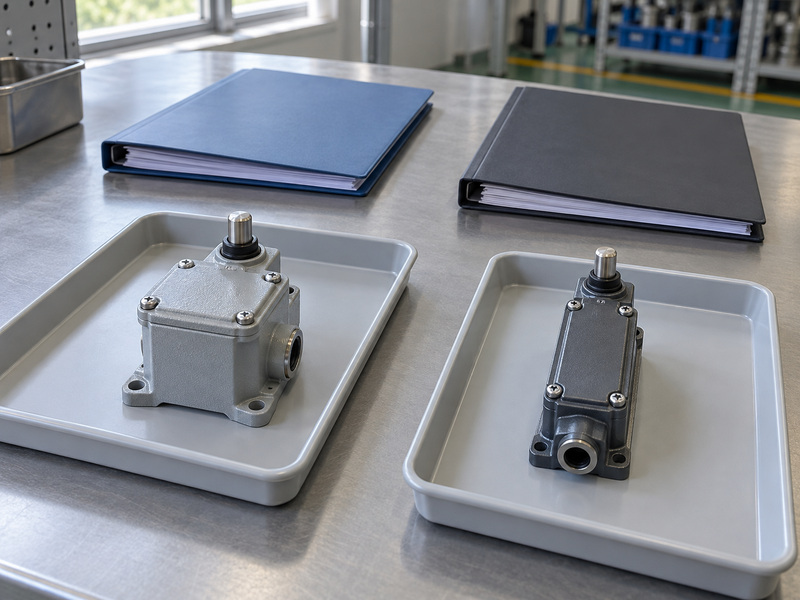
Ask the original manufacturer or responsible equipment source to identify the legacy component, available successor, and any changed conditions. Request the evidence needed by the project’s accepting parties. If no supported replacement can be established, compare a permitted larger replacement assembly or revised valve arrangement through the project’s design process.
Make the successor decision explicit
The proposal should describe differences in sensing arrangement, mounting, enclosure, contact characteristics, instructions, and applicable product evidence. Have the relevant manufacturer and project reviewers identify any approval obligations for the changed configuration. Avoid treating a higher electrical rating or the same housing dimensions as a complete substitute assessment.
- Obtain a documented legacy-to-candidate comparison.
- Identify who accepts the proposed technical and approval differences.
- Record the accepted replacement scope and its restrictions.
| Legacy-part situation | Next procurement step |
|---|---|
| Supported successor identified | Review stated differences and conditions |
| Candidate from another source | Request complete application evidence |
| Original identity uncertain | Resolve identification before successor selection |
| No supported component route | Refer a larger assembly or design alternative for review |
Issue the purchase order only after the responsible parties have accepted the replacement basis.
8. Who must own the site work and acceptance scope?
Assign site work and acceptance for the supervisory switch for butterfly valve repair to qualified, authorized project personnel under an agreed plan. Procurement should identify the supplier’s deliverables and the work retained by the project. A spare-part delivery does not establish that installation, monitoring verification, or restoration has been included.

Identify the parties responsible for mechanical suitability, electrical compatibility, required product evidence, site authorization, and acceptance records. Include any required project notifications or protection-management controls in the responsible team’s plan. The purchasing instruction should describe those responsibilities without becoming a field replacement procedure.
Put the work boundary in the order
State whether the supplier provides only a part, a documented kit, a complete operator assembly, or a wider service scope. Identify who reviews instructions, resolves deviations, and receives the completed records. Keep valve movement, enclosure access, circuit disturbance, and physical adjustments within the authorized project activity.
- Name the supplier’s hardware and document responsibilities.
- Assign site work and the required acceptance decision.
- Identify who receives restoration evidence and closes outstanding exceptions.
| Task boundary | Owner to identify |
|---|---|
| Candidate suitability | Manufacturer and technical reviewer |
| Monitoring interface | Qualified electrical reviewer |
| Site authorization and work | Authorized project team |
| Acceptance and handover | Responsible accepting party and operating team |
An unassigned site task should be resolved before delivery creates an expectation that the asset is ready for return to service.
9. What evidence should travel with the replacement order?
Send the accepted identity, configuration decision, applicable instructions, and required inspection and handover records with the supervisory switch for butterfly valve replacement order. Retain the old and new component relationship. The operating team should be able to identify what changed, which asset it affects, and who accepted the result.
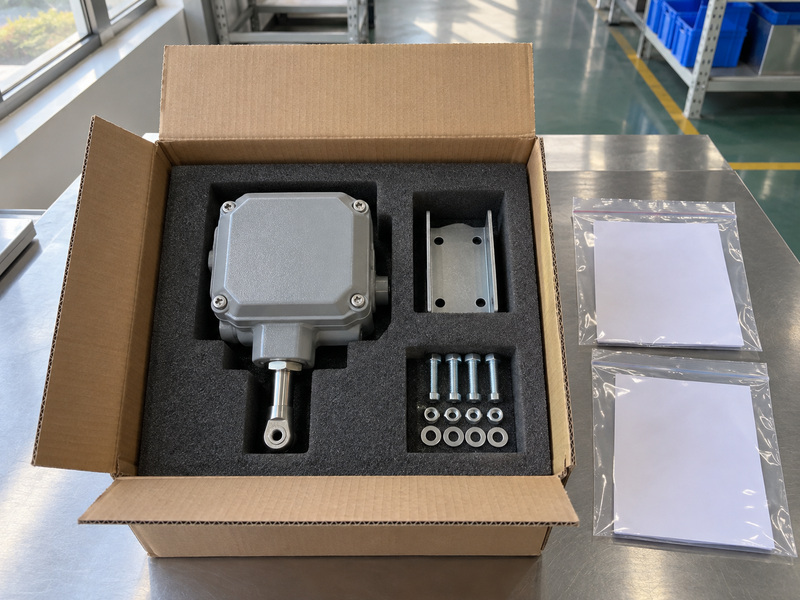
Keep the supplier’s actual identification method with the proposed part or assembly, including applicable product or batch references. Link packing contents with the agreed scope and record missing items before site work begins. Preserve superseded documents so their relationship with the current accepted version remains understandable.
Connect the delivered item with the final acceptance record
The authorized project team’s final evidence should relate the replacement to the identified asset, final physical normal position, designated input, and observed event condition. Record accepted deviations and the responsible recipient. A normal indication alone does not establish water supply, flow, an unobstructed passage, or seat tightness.
- Retain original identification and the accepted replacement decision.
- Match delivered hardware and documents with the ordered scope.
- Collect the authorized verification and restoration record for the affected asset.
| Handover record | Relationship to preserve |
|---|---|
| Original configuration | Asset and removed component identity |
| Accepted proposal | Replacement identity, conditions, and reviewers |
| Delivery evidence | Supplied parts and applicable instructions |
| Final project record | Physical condition, input/event observations, and receipt |
Close the replacement order with the accepted evidence and any remaining restrictions recorded against the correct asset.
10. What else should maintenance buyers ask?
Before ordering a supervisory switch for butterfly valve repair, settle identification, permitted replacement scope, required evidence, and responsibility for the installed result. These questions help distinguish a priced candidate from a replacement the project can accept.

Q1. Can I buy a switch that looks like the original?
Appearance can identify a candidate, but it cannot establish suitability. Confirm the original assembly, sensing target, mounting, electrical conditions, environment, and permitted replacement route with the responsible manufacturer and project reviewers.
Q2. Can I replace an integral switch with an external kit?
Only with a documented arrangement accepted for the actual valve and operator. Review the kit’s application coverage and product-approval implications. The existence of a mounting kit does not authorize that change on every supervised valve.
Q3. Is the same contact label enough to approve a spare?
No. The label does not establish mechanical suitability, contact duty, low-level sensing compatibility, or the panel’s interpretation. Review those requirements against the exact proposed devices and existing asset records.
Q4. What should I do if the original part is unavailable?
Request a supported successor or a documented alternative scope. Have the relevant manufacturer and project accepting parties review the differences before purchase. A larger assembly replacement may need consideration if an individual component route cannot be supported.
Q5. What can I send RUITO for a replacement enquiry?
Provide the installed-equipment identifiers, existing drawings and photographs, location conditions, normal-position requirement, and monitoring documents. Ask RUITO to state the valve-related scope it can review and any unresolved accessory questions. Treat a particular replacement package as available only after its supply and supporting evidence have been confirmed for the proposal.
For that enquiry, contact us with the identity record and the unresolved replacement questions. Request an itemized proposed scope, written exceptions, and the documents the project team needs for its acceptance decision.