
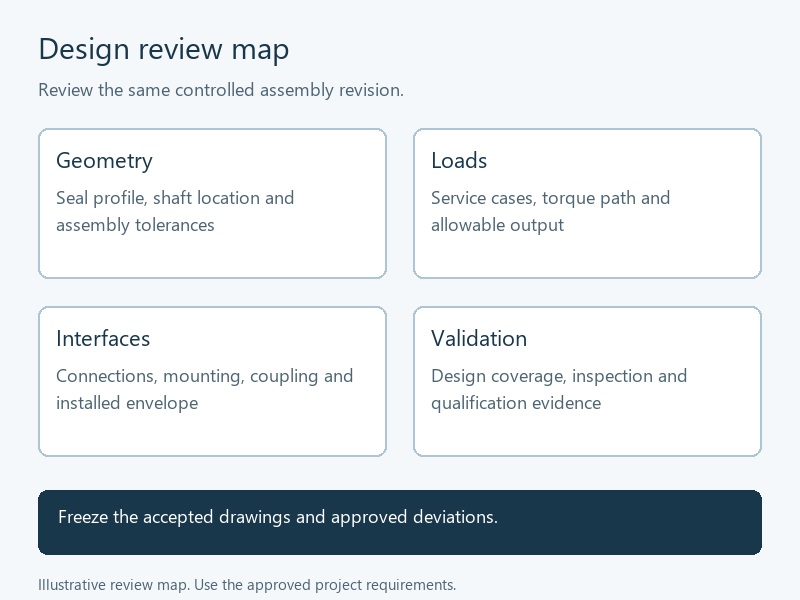
Review triple eccentric butterfly valve design by checking the sealing geometry, load path, interfaces, and validation records against one controlled drawing set. A polished assembly view can hide an unspecified seal fit or an actuator interface that has never been checked. Request the sections and supporting calculations needed to resolve those questions before the design reaches procurement.
1. What defines triple eccentric butterfly valve design?
The controlled assembly and its supporting sections define triple eccentric butterfly valve design. The familiar description of three offsets explains the operating principle, but it does not define a manufacturable valve. Your review needs the actual relationship between the shaft axes, sealing surfaces, bearings, pressure boundary, and operator. Identify which drawing controls each relationship and which dimensions require approval.
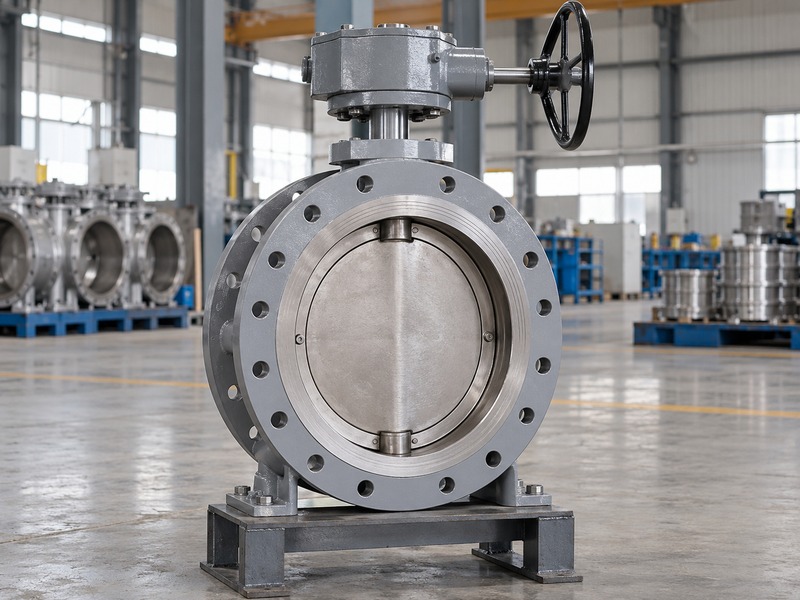
Request the missing views
A general arrangement drawing usually provides the installation envelope. It may omit the seal profile, bearing locations, or details needed to assess replacement parts. Ask for suitable sections or a supplier's documented design assessment rather than estimating hidden geometry from a product photograph.
Agree on the depth of review required by your project. The supplier can retain proprietary manufacturing information while providing enough evidence to demonstrate compliance with specified interfaces and performance requirements.
- Identify the controlling assembly revision.
- List the supporting sections and calculations.
- Record which details remain unresolved.
| Document | Review purpose |
|---|---|
| General arrangement | Installation envelope and connections |
| Assembly section | Component relationship and load path |
| Design assessment | Evidence for specified requirements |
2. How should you check the seal profile and tolerances?
Check whether the specified profile and tolerances produce the intended contact at closure and clearance during movement. Triple eccentric butterfly valve design combines shaft offsets with an inclined sealing geometry. Naming those features does not establish their accuracy. Ask how manufacturing tolerances, assembly alignment, and operating loads affect contact around the seal circumference.
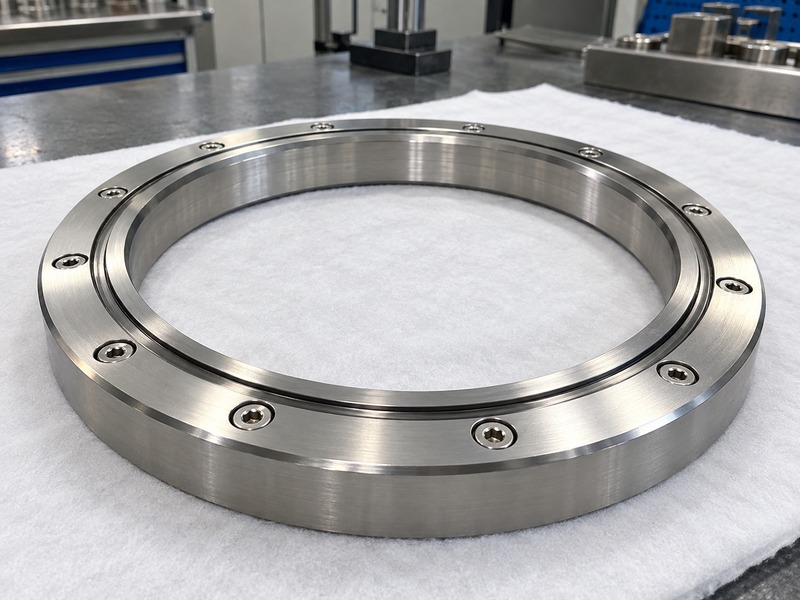
Follow the tolerance chain
The relevant chain can include body-seat location, shaft-bearing alignment, disc position, and seal-ring mounting. A component that meets its individual drawing may still contribute to an unacceptable assembled relationship. Review the supplier's method of controlling that relationship and the inspection used to confirm it.
Avoid selecting a universal cone angle or offset distance from an online illustration. Those values belong to the selected design and size. If the supplier proposes a geometry change, ask which tooling, inspection, torque, and leakage evidence must change with it.
- Identify the surfaces that establish sealing contact.
- Check the assembly alignment method.
- Define the final inspection criterion.
| Review item | Evidence to request |
|---|---|
| Seal profile | Controlled geometry or assessment |
| Accumulated tolerances | Assembly tolerance review |
| Final relationship | Relevant inspection record |
3. How does seal-ring retention affect the design?
Seal-ring retention controls how the sealing element stays located under assembly and service loads. In triple eccentric butterfly valve design, identify whether the replaceable sealing element is retained on the disc or in the body. Do not infer its location from another manufacturer's arrangement. Check the specified ring, retainer, fasteners, and installation procedure as one assembly.
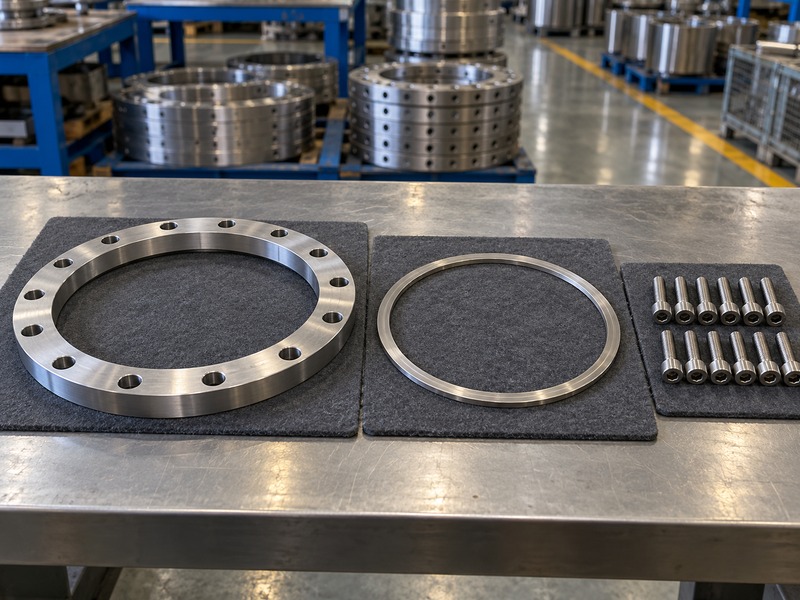
Review access and load transfer
Ask how the design prevents unintended movement and how maintenance personnel restore the correct location after replacement. Fastener access, locking arrangements, tightening sequence, and any specified adjustment deserve attention. A replacement instruction that says only “fit the ring” leaves too much unresolved.
Body connection and seal retention are separate choices. When reviewing double-flanged butterfly valve interfaces, check the actual internal arrangement independently. The flange connection cannot identify the seal construction or prove its retention method.
- Identify which part carries the sealing element.
- Check fastener engagement and access.
- Request the approved replacement procedure.
| Retention detail | Practical question |
|---|---|
| Locating surfaces | How is position restored? |
| Retaining fasteners | How are loads and loosening addressed? |
| Maintenance access | Can the specified parts be reached? |
4. How do shaft and disc loads enter the review?
Review the shaft, disc, and connection for the loads produced by the specified differential pressure and operating duty. Triple eccentric butterfly valve design must account for more than the torque required to move an unloaded disc. Pressure loads, seating loads, dynamic flow effects, and actuator output can affect the assembly. Ask which operating cases govern the assessment.
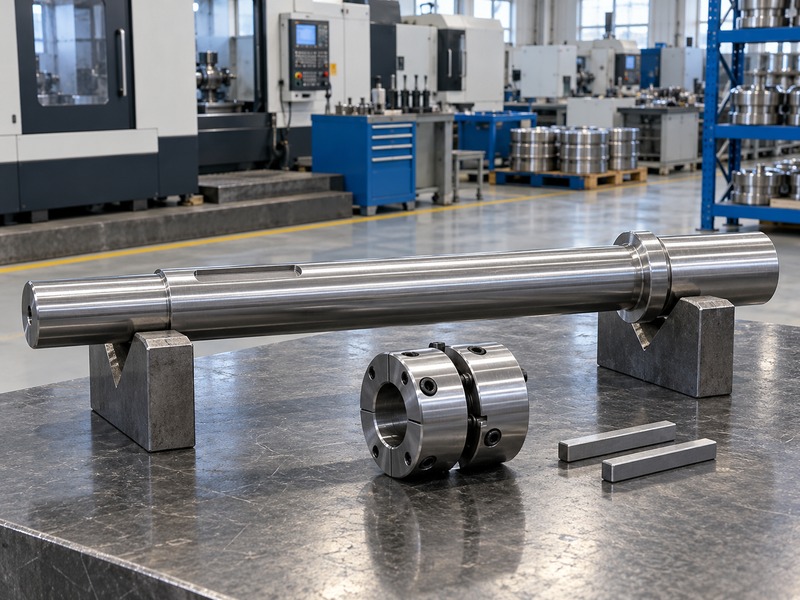
Trace the torque path
Follow the path from actuator output through the coupling, shaft, and disc connection to the seal. Each connection needs a defined load basis and suitable retention. A larger actuator can create an overload if its available output exceeds what the valve train can accept.
Check how the supplier addresses the maximum permitted operator output and any protection settings. The review should also identify the basis for stem retention. A visible external bracket is not sufficient evidence of protection against pressure-driven stem movement. Resolve a weak connection before increasing operator capacity.
- Define the governing pressure and operating cases.
- Review available and allowable torque separately.
- Identify shaft and disc connection details.
| Load-path item | Review basis |
|---|---|
| Disc and shaft | Specified service load cases |
| Coupling and connection | Transmitted and allowable loads |
| Operator protection | Approved output and settings |
5. Which bearing and packing details need checking?
Check bearing support, operating clearances, packing construction, and access for adjustment or replacement. Triple eccentric butterfly valve design depends on a controlled shaft position while allowing the required rotation. Bearing wear or an unsuitable clearance can alter that position. Packing also adds resistance and has its own pressure, temperature, and emission requirements.
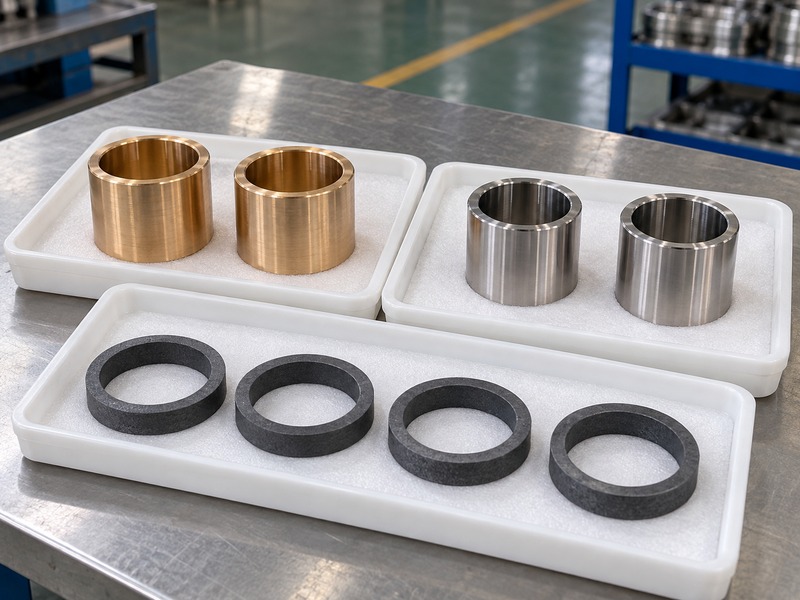
Separate sealing from support
Bearings support the shaft; packing limits leakage along it. Review both functions rather than treating all parts around the shaft as one seal. Ask how process fluid, particles, temperature changes, and maintenance affect the selected arrangement.
If the project specifies a fugitive-emissions qualification, confirm the configuration and test coverage. A successful seat-leakage test does not establish packing performance under cycling. Likewise, a packing adjustment procedure should state its limits rather than encouraging operators to tighten until movement becomes difficult.
- Identify bearing and packing materials.
- Check the specified clearance basis.
- Confirm inspection and maintenance access.
| Detail | Review question |
|---|---|
| Bearing support | Does it maintain the required shaft position? |
| Packing | Is its duty and qualification defined? |
| Adjustment access | Can work follow the approved procedure? |
6. How do temperature and material pairs affect fit?
Temperature and material selection affect expansion, clearances, strength, and sealing contact. Triple eccentric butterfly valve design should be reviewed at the specified operating conditions and relevant transitions. A satisfactory room-temperature fit does not alone demonstrate hot or cold performance. Ask how the selected material pairs and geometry behave across the required envelope.
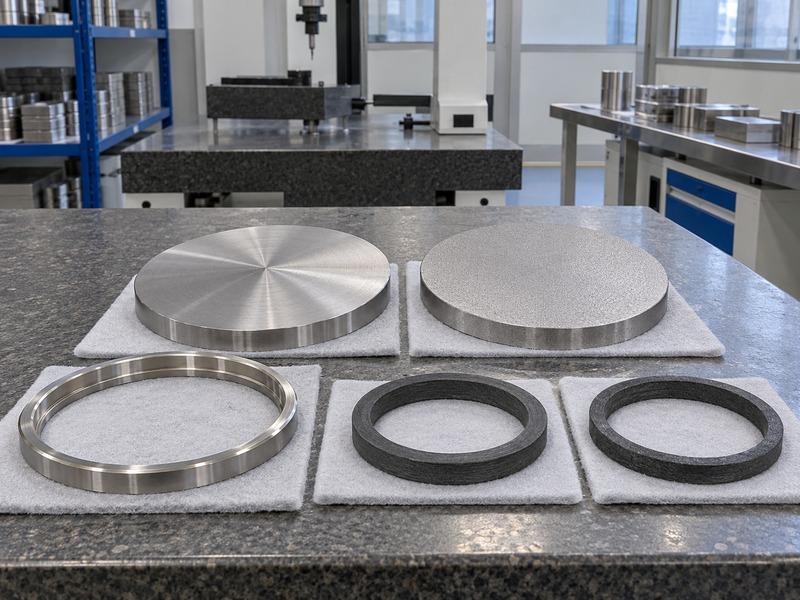
Check the complete construction
Review the body, disc, shaft, seat, seal ring, bearings, packing, and retaining parts together. Their materials may respond differently to temperature. The supplier should identify the limits of the assembled configuration rather than combine unrelated maximum values from separate components.
Surface treatment and contact materials also affect wear and galling resistance. Request the specified treatment, inspection route, and any restrictions on repair. A familiar alloy name does not establish the finished contact condition or compatibility with the actual fluid.
- State the relevant temperature range and transitions.
- Review clearances and contact under those conditions.
- Identify treatment and material-pair requirements.
| Design input | What it can change |
|---|---|
| Temperature range | Expansion and operating clearances |
| Material pair | Contact behavior and compatibility |
| Surface condition | Wear, galling, and repair route |
7. Which actuator-interface dimensions must match?
The mounting pattern, shaft connection, coupling engagement, bracket geometry, and operating envelope must match the selected operator. Triple eccentric butterfly valve design needs a complete interface definition. A nominal mounting designation alone may leave shaft height, key or spline details, and coupling depth unresolved. Compare the actual mating drawings before approving the assembly.
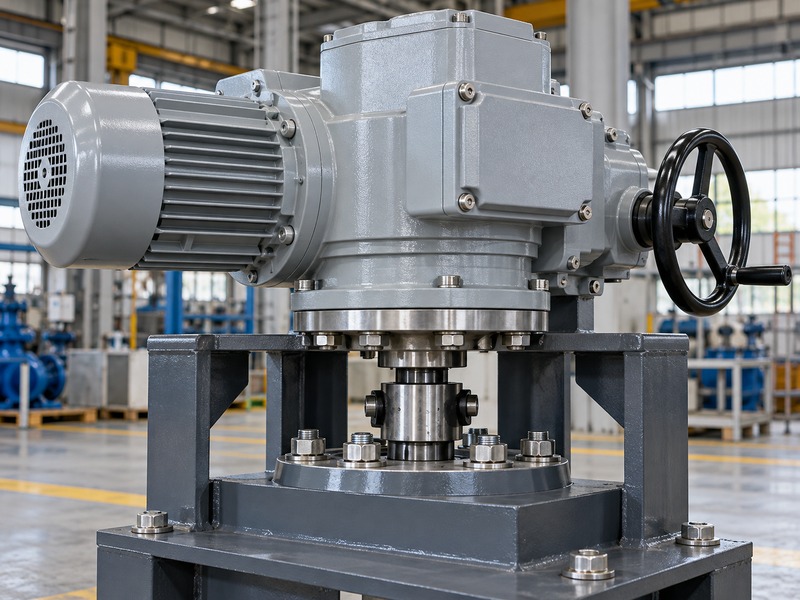
Review the installed arrangement
Check bracket stiffness, fastener access, handwheel space, cable or air connections, and the means of supporting the operator where required. Orientation changes can create maintenance interference even when the bolt pattern still fits. Include the operator in the installation envelope rather than drawing only the valve body.
Connection style can introduce separate access constraints. The documented lug butterfly valve configuration illustrates why body bolts and maintenance requirements need their own review; a body label cannot establish an operator interface or approved end-of-line duty.
- Compare the two mating interface drawings.
- Confirm engagement and fastener access.
- Check the full installed envelope.
| Interface | Detail to confirm |
|---|---|
| Mounting | Pattern, fasteners, and bracket arrangement |
| Drive connection | Shape, engagement, and allowable load |
| Envelope | Operation and maintenance access |
8. Which evidence validates the design assessment?
Validation evidence should address the requirements and load cases that the design assessment claims to satisfy. Triple eccentric butterfly valve design can require pressure, leakage, operating, thermal, or other qualification evidence depending on the project. Identify what each record demonstrates and what it leaves untested. Keep model-specific results within their documented coverage.
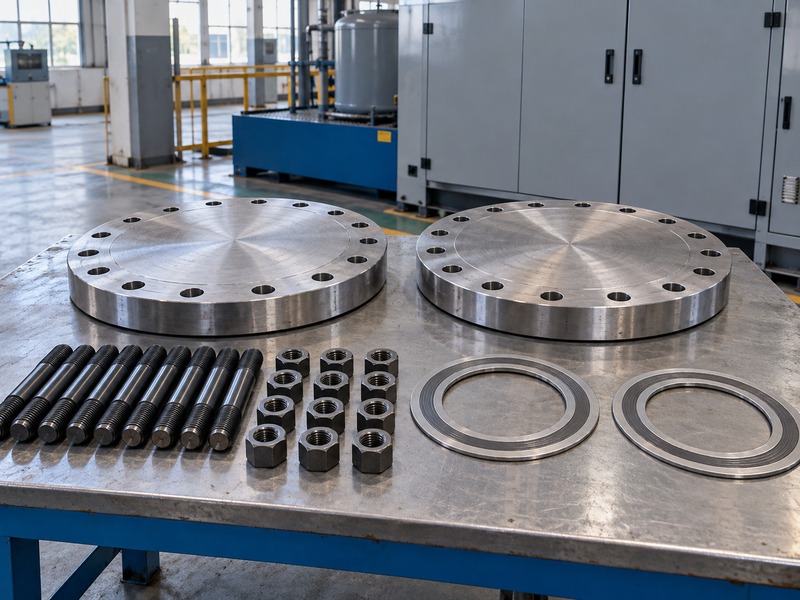
Match the record to the question
A shell test addresses pressure containment under its procedure. A closure test addresses leakage at the stated conditions. Cycle or thermal testing addresses a different set of questions. Review sample selection, configuration, procedure revision, and acceptance criteria before treating a result as relevant to the order.
Standards references also need an edition. API's official update notice gives a December 1, 2026 effective date for its 609 tenth-edition Monogram transition. Confirm the edition required by the contract and the supplier's applicable program. Keep these scopes visible in the review register.
- Map each requirement to its supporting record.
- Check configuration and sample coverage.
- Record gaps requiring further evidence.
| Evidence | Defined scope |
|---|---|
| Calculation or assessment | Stated design cases and assumptions |
| Qualification test | Tested configuration and conditions |
| Production inspection | Supplied item's recorded conformity |
9. How should maintenance access influence the design?
Maintenance access should influence component layout, removal space, and the planned replacement procedure. Triple eccentric butterfly valve design may include replaceable sealing or shaft-related parts, but replacement access depends on the actual arrangement. A claim of field repairability does not establish that work is possible in your installed pipeline. Review the removal path and isolation requirements before layout approval.
Plan the removal sequence
Ask which parts can be serviced, what equipment is required, and whether the valve or adjacent spool must be removed. Include operator lifting, fastener access, and the space needed to protect sealing surfaces during work. The approved site procedure must govern isolation and depressurization.
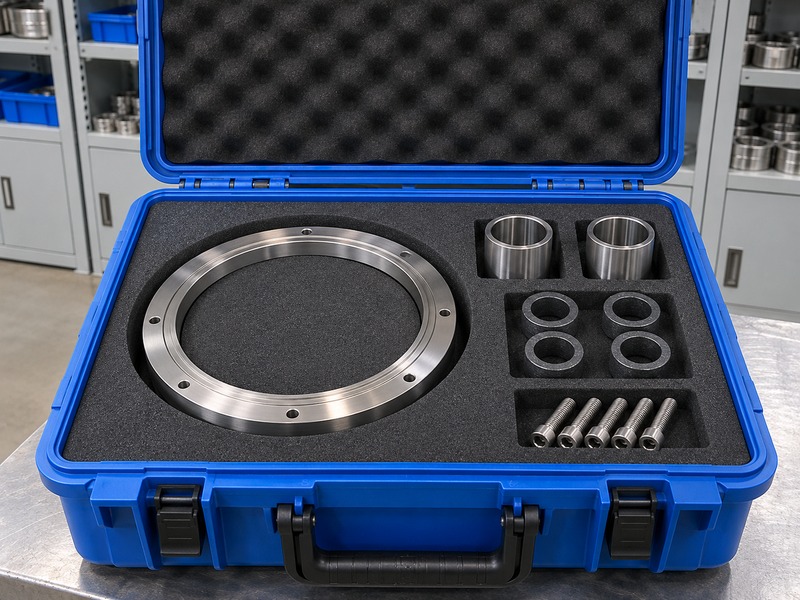
Record replacement-part identification and the checks required after reassembly. A new seal ring can require a specified setting or verification process. Avoid assuming that parts interchange between sizes, revisions, or similarly named product ranges. Carry the agreed maintenance arrangement into the installation drawing.
- Identify the intended serviceable components.
- Check removal and handling space.
- Define the post-maintenance verification.
| Maintenance item | Design-review question |
|---|---|
| Seal replacement | What access and setting are required? |
| Operator removal | What lifting and support are needed? |
| Spare parts | Which approved configuration do they match? |
10. How do you freeze the reviewed design for an order?
Freeze the design by issuing an approved document register with the accepted configuration, revisions, and outstanding conditions. Triple eccentric butterfly valve design remains ambiguous when a quotation, drawing, and parts description refer to different versions. Name the documents that control procurement and define how later changes will be reviewed. Close technical deviations through the project's approval process.
Send a reviewable technical package
Provide the actual fluid, pressure and temperature envelope, shutoff duty in each direction, connection requirements, operator supply, and inspection scope. Ask the supplier to identify exceptions in writing. RUITO's manufacturing and quality information can support that discussion, while the availability of any proposed triple-offset construction needs specific confirmation.
- List accepted drawings and revisions.
- Attach approved deviations and required evidence.
- Define the change-notification route.
| Order document | What to freeze |
|---|---|
| Data sheet | Actual duty and performance requirements |
| Drawing register | Accepted interfaces and revisions |
| Inspection plan | Required verification and records |
For a review of your triple eccentric butterfly valve design requirements, contact us with the data sheet and controlling drawings.
Questions buyers ask during design review
Q1. Can I verify the three offsets from a photograph?
No. A photograph may show components, but it cannot establish the controlling geometry or tolerances. Use suitable drawings and design evidence.
Q2. What's the best drawing to request for replacement fit?
Request the approved general arrangement and relevant interface details. Include the operator envelope and adjacent bore requirements.
Q3. Can I replace a seal ring with a similar-looking part?
Only when the supplier confirms compatibility with the exact configuration and revision. Appearance does not establish geometry or material equivalence.
Q4. How do I know whether a test covers a changed design?
Request a documented coverage assessment. The change may affect loads, materials, interfaces, or sealing behavior and require further verification.
Q5. Does a standard reference settle every design detail?
No. The order still needs its specified duty, interfaces, materials, options, and applicable edition. Record those details before approval.