
Compare triple offset butterfly valve advantages against alternatives under the same service, leakage, and installation requirements. A compact metal-seated valve can suit a demanding isolation duty while adding unnecessary cost to a straightforward water line. Start with what your process needs, then ask which claimed benefits remain useful in that application.
1. Which triple offset butterfly valve advantages matter?
The useful advantages are the ones that satisfy your duty with acceptable installation and ownership costs. Triple offset butterfly valve advantages commonly involve metal-seated isolation, quarter-turn operation, and a compact body arrangement. Their value depends on the actual design and operating conditions. Compare complete assemblies rather than isolated catalogue claims.
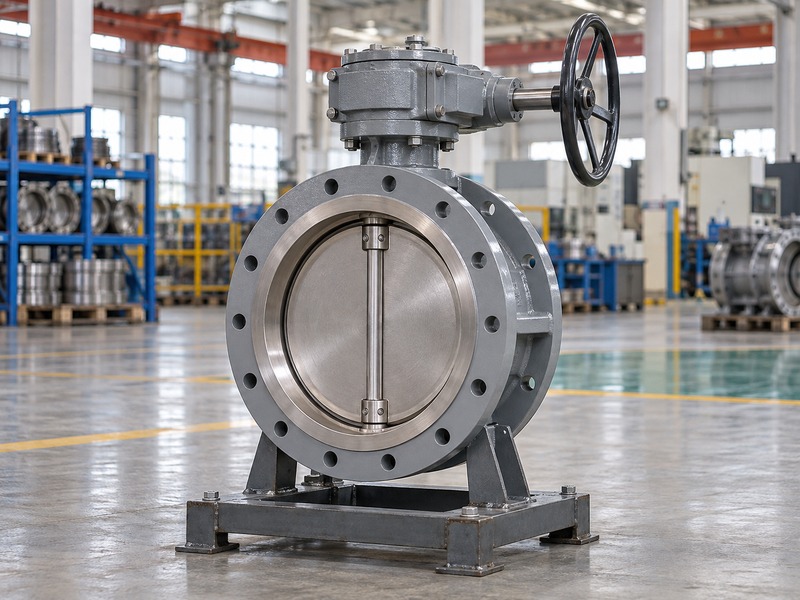
Set a common comparison basis
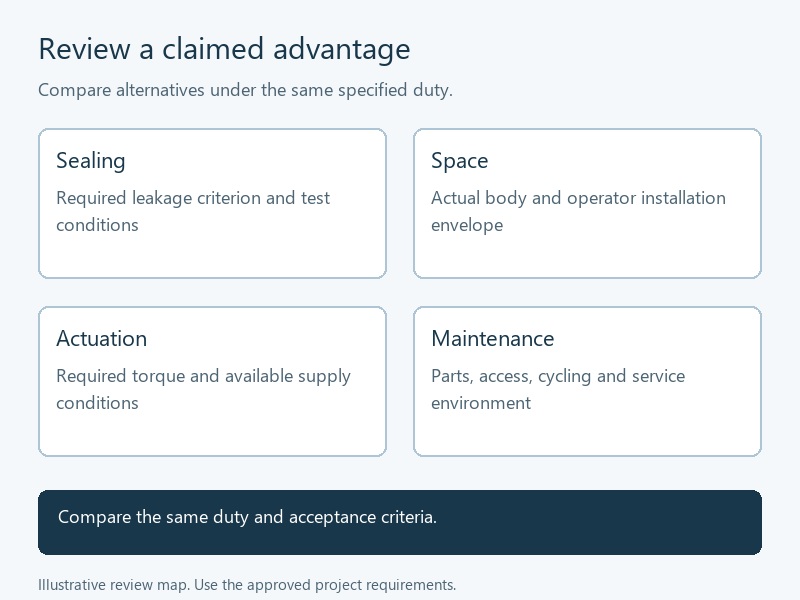
Write down the required fluid compatibility, operating envelope, closing differential, leakage criterion, and cycling duty. Add installation space, operator supply, maintenance access, and project qualifications. A valve that meets one attractive feature but misses a mandatory requirement cannot become the preferred option through a lower price.
Keep the comparison practical. If two options both meet the duty, compare their actual drawings, operating requirements, and support arrangements. If only one meets a required qualification, confirm that evidence before treating the options as equivalent.
- Separate mandatory requirements from preferences.
- Compare the same duty and acceptance criteria.
- Include the complete operating assembly.
| Claimed benefit | Question to ask |
|---|---|
| Tight shutoff | Under which test conditions? |
| Compact construction | Does the complete envelope fit? |
| Lower ownership cost | Which actual costs are included? |
2. How can the geometry reduce seal wear?
The intended geometry separates the sealing surfaces during most of the operating travel. Reduced sliding contact is one of the triple offset butterfly valve advantages worth examining for cycling isolation duty. Final closure still requires the specified contact and seating load. The design does not remove bearing friction, packing resistance, or every possible wear mechanism.
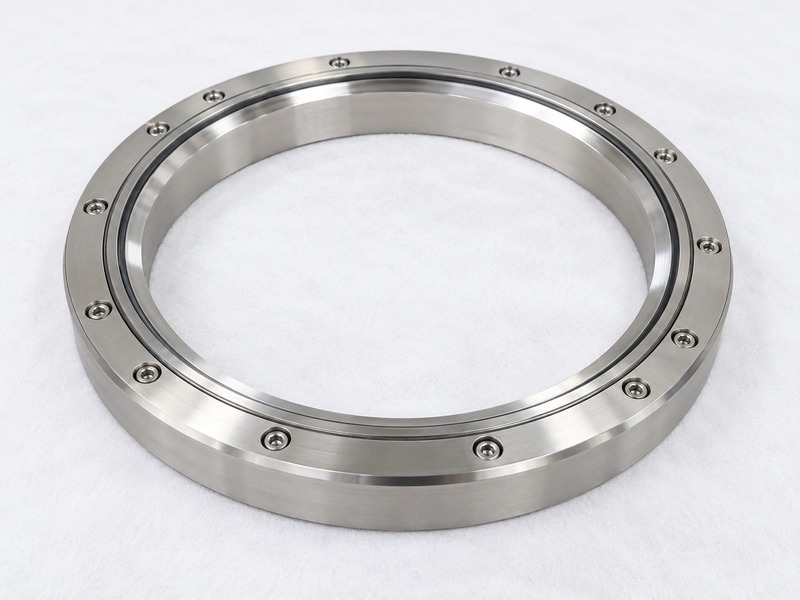
Ask what the endurance evidence covers
Review the tested configuration, cycle conditions, medium, temperature, and leakage checks. A cycle count without those details offers little help when your application differs. Check whether the test included the selected seal construction and operating assembly.
Contamination, misalignment, unsuitable settings, or damaged contact surfaces can still impair sealing. During procurement, ask how the design controls those risks and what maintenance observations should trigger action. Avoid converting reduced sliding contact into an unlimited-life statement.
- Identify the selected seal construction.
- Review relevant endurance conditions.
- Keep installation and operating limits with the benefit claim.
| Wear-related item | Evidence to compare |
|---|---|
| Contact geometry | Selected assembly and design basis |
| Endurance claim | Test conditions and acceptance checks |
| Service risk | Actual fluid, cycling, and installation conditions |
3. When can metal seating help with temperature?
Metal seating can support duties that exceed the limits of a particular soft-seat construction. Temperature capability belongs among conditional triple offset butterfly valve advantages. The permitted range still depends on the body, seal, shaft-related parts, packing, and other components. Confirm the assembled configuration's pressure-temperature limits rather than assigning one temperature to every triple-offset valve.

Compare the whole material system
Some metal-seated arrangements use laminated sealing elements that include graphite or other materials. Review the actual construction and its limitations. Thermal movement, temperature transitions, and fluid compatibility can affect performance even when a metal contact surface remains mechanically intact.
A general-purpose water valve and a purpose-designed hot-service valve answer different requirements. For a clean-water application, compare the documented wafer butterfly valve range against the actual duty before paying for a different sealing construction.
- Confirm the complete material schedule.
- Review operating and transition conditions.
- Ask for relevant thermal-performance evidence where required.
| Temperature question | Required information |
|---|---|
| Permitted range | Complete selected configuration |
| Thermal transitions | Relevant design and validation basis |
| Fluid compatibility | Actual process and cleaning conditions |
4. What does quarter-turn operation change?
Quarter-turn operation provides a short rotational stroke for opening and closing. That motion is one of the practical triple offset butterfly valve advantages when isolation speed, operator arrangement, or plant access matters. Actual stroke time depends on the drive, supply, settings, and process restrictions. Faster movement is not automatically better for the system.
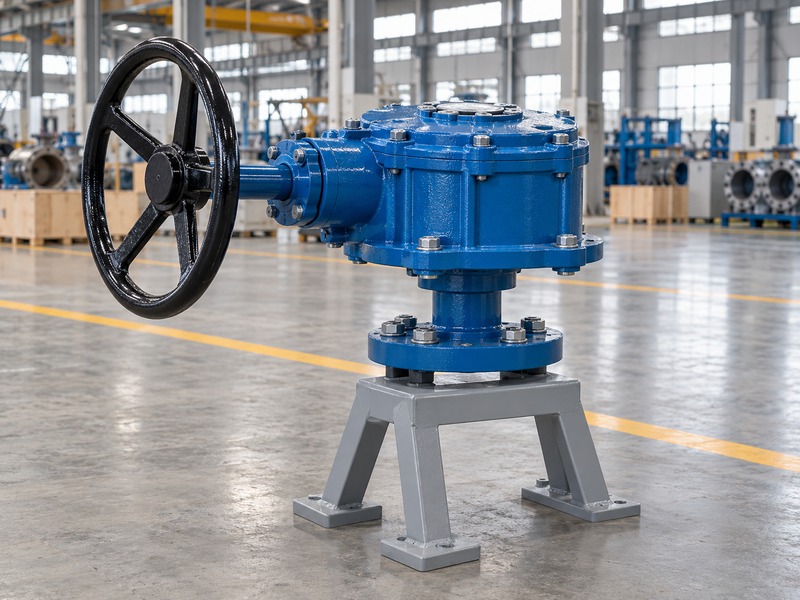
Match movement to the process
For liquid systems, review the consequences of the chosen closing time with the responsible system engineer. For automated isolation, define the required response and confirm that the selected assembly can provide it under the available supply conditions. Include the valve's operating limits in that assessment.
Manual operation also needs a practical review. Handwheel access, operating effort, position indication, and the planned maintenance arrangement can matter more than the nominal angular stroke. Compare the complete installed operator rather than the valve body alone.
- State the required operating response.
- Review the effect of closing time on the system.
- Check access and operator capability.
| Motion benefit | Application check |
|---|---|
| Short rotational stroke | Suitable operator and settings |
| Defined response | Actual supply and process limits |
| Manual accessibility | Installed handwheel space and effort |
5. Can the valve reduce installation space and weight?
It can, depending on the alternative valve and the selected assemblies. These triple offset butterfly valve advantages vary with design, class, connection, and operator. Compare actual general arrangement drawings and documented weights. Include removal and maintenance space in the comparison.
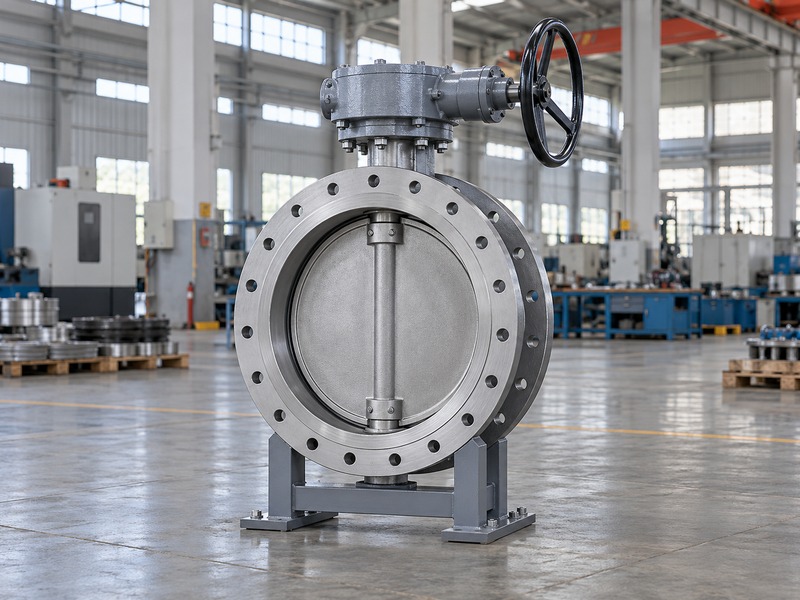
Look beyond the face-to-face dimension
A shorter body can still have an operator that conflicts with a platform or nearby pipe. A lower valve weight can still require revised supports or a different lifting arrangement. Keep the installed assembly and maintenance route in the same review.
If you are replacing a gate or ball valve, check face-to-face dimensions, adjacent bore, flange details, and operating function. RUITO's documented flanged butterfly valve arrangements also show why connection and construction information must be reviewed for the selected configuration. Confirm the saving on drawings before redesigning the pipework.
- Compare complete installation envelopes.
- Use documented assembly weights.
- Include access, support, and removal requirements.
| Comparison item | What to include |
|---|---|
| Body length | Selected connection and pattern |
| Installed envelope | Operator and nearby restrictions |
| Handling | Assembly weight and approved method |
6. How can the design support automation?
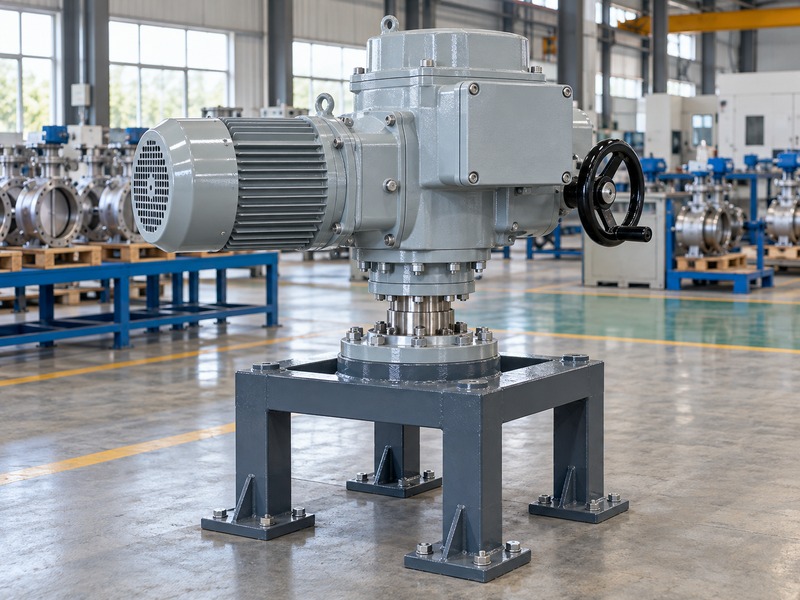
Its rotational operating motion can suit established valve-automation arrangements. Automation flexibility is one of the triple offset butterfly valve advantages, provided the operator matches the required torque and valve limits. The selected actuator must deliver adequate output through the relevant stroke. Do not assume that every triple-offset design requires less torque than every alternative.
Compare available and allowable output
Review required opening, running, and closing torque under the specified duty. Compare those requirements with the actuator's available output at the relevant supply conditions. Then check the allowable loads of the shaft, coupling, bracket, and other parts in the drive path.
Torque-seated designs also need the correct setting method. A larger operator does not resolve every leakage problem and can introduce overload risk. Specify commands, feedback, local access, and any required failure response as part of the complete assembly.
- Use model-specific torque information.
- Check output under the available supply.
- Verify the assembled valve and operator function.
| Automation item | Comparison basis |
|---|---|
| Required torque | Actual valve and service conditions |
| Available output | Selected drive and supply |
| Protection and control | Allowable loads and final settings |
7. Does tight shutoff apply equally in both directions?
Only where the selected configuration and its evidence support the required duty in both directions. Tight isolation can be one of the triple offset butterfly valve advantages, but the leakage criterion, differential, medium, and direction must be defined. Confirm the reverse-direction requirement explicitly. Normal flow direction alone does not describe every pressure case.
Read the leakage claim precisely
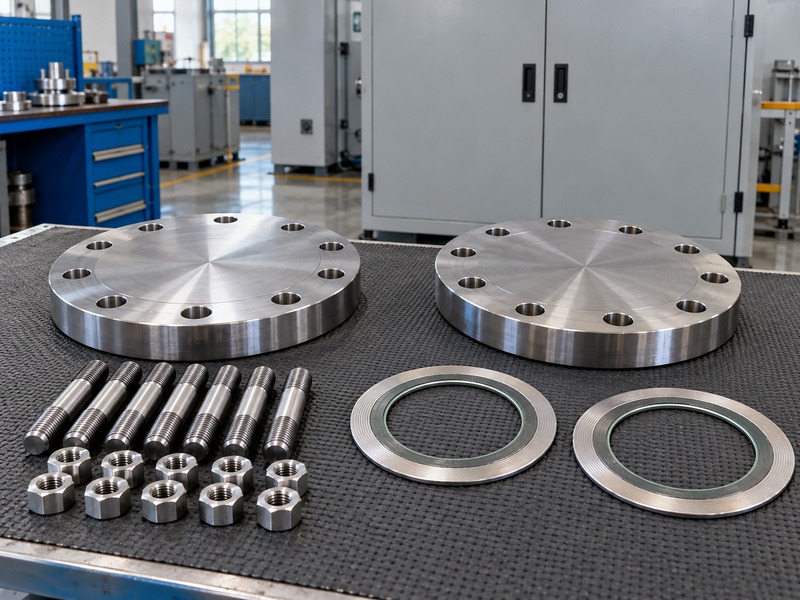
"Zero leakage" should refer to a named criterion under stated test conditions. It does not establish permanent leak-free operation in every service. Ask which conditions were tested and whether the record covers the selected construction and operating arrangement. Where specified, read ISO 5208 together with the applicable product standard and contract.
Fire testing and external-leakage qualifications also require separate review when specified. A metal seat or a closure-test pass cannot establish those results. Compare the actual scope of each report rather than grouping all performance claims under a general reliability label.
- Define the required leakage criterion.
- State differential and direction requirements.
- Check separate qualifications individually.
| Shutoff claim | Detail that gives it meaning |
|---|---|
| Leakage performance | Named criterion and conditions |
| Bidirectional duty | Required differential in each direction |
| Qualification | Applicable configuration and report scope |
8. Which maintenance advantages are realistic?
Reduced seal rubbing and replaceable components can support a useful maintenance plan. Those triple offset butterfly valve advantages depend on actual construction, service conditions, and access. Some arrangements allow selected parts to be replaced, while others require substantial removal work. Ask what the planned maintenance task involves in your installation.
Price the actual maintenance task
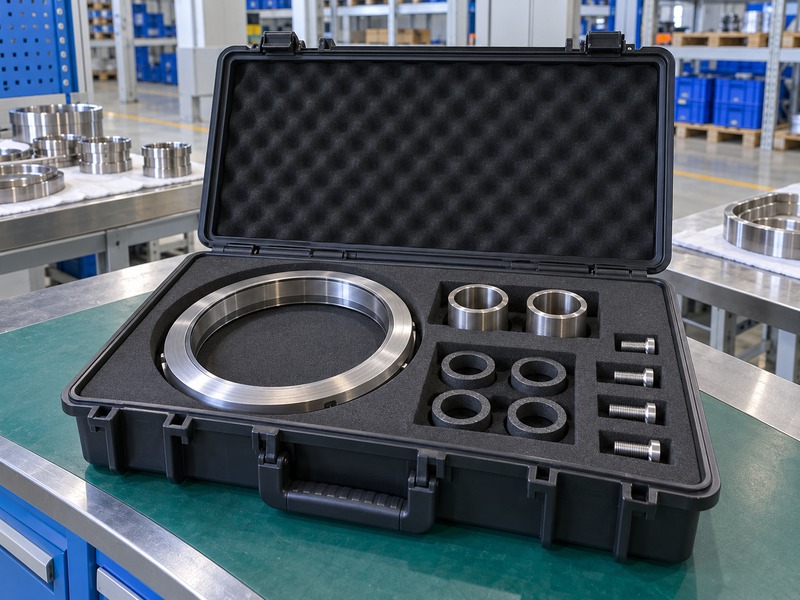
Include isolation, removal, handling, inspection, replacement parts, reassembly, and required verification. A low spare-part price can be outweighed by difficult access or a long outage. Confirm spare identification and availability for the approved configuration.
Maintenance frequency should follow the manufacturer's instructions and actual service experience. Cycling, contamination, temperature changes, and idle periods can create different needs. A description of reduced wear should not become a maintenance-free claim.
- Identify serviceable parts and access requirements.
- Confirm the replacement and setting procedure.
- Compare the complete planned maintenance task.
| Maintenance factor | Information to compare |
|---|---|
| Spare parts | Exact configuration and availability |
| Access | Required removal and handling |
| Return to service | Reassembly and verification procedure |
9. What tradeoffs can outweigh the advantages?
Precision construction, service limitations, and installation constraints can outweigh a particular benefit. Triple offset butterfly valve advantages should be compared with the actual cost and suitability of alternatives. A disc remains in the flow path, and the selected design still has limits for solids, erosion, cavitation, corrosion, and control duty. Confirm those limits with the supplier.
Compare under the same assumptions
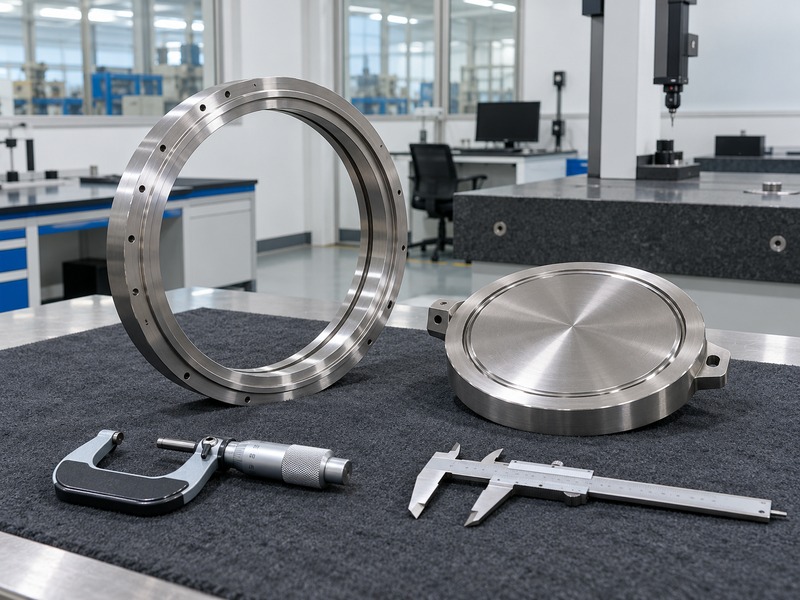
For a straightforward clean-water isolation point, an approved soft-seat construction may already meet the requirements. For a more demanding duty, a suitable metal-seated design may justify its added cost. Neither decision follows from the number of offsets alone.
Compare purchase, operator, installation, verification, maintenance, and outage costs without inventing percentage savings. Identify which costs are supported by quotations and which remain estimates. Your project priorities should determine how those differences are weighted. If an option needs a new pipe spool, include that work in its installation scope.
- Check mandatory service limits before cost.
- Compare complete supply and installation scope.
- Keep estimates separate from quoted costs.
| Possible tradeoff | Application question |
|---|---|
| Precision construction | Does the duty justify the cost? |
| Flow-path and service limits | Is the selected design suitable? |
| Maintenance and installation | Do the claimed savings survive the layout? |
10. How should you make the final comparison?
Use a written comparison of compliant options under the same duty and acceptance requirements. Triple offset butterfly valve advantages become useful when the supplier can connect each claim with an actual drawing, rating, procedure, or relevant test. Record unresolved assumptions before approval. Keep commercial evaluation tied to the accepted technical scope.

Request a configuration-specific proposal
Provide the fluid, operating envelope, closing differential, leakage criterion, connection, operator supply, and maintenance constraints. RUITO's manufacturing and inspection information can support that enquiry. Request confirmation of the proposed supply scope and its supporting evidence.
- Identify which options meet all mandatory requirements.
- Record benefits that matter to the actual installation.
- Close the remaining technical and commercial assumptions.
| Decision input | Required basis |
|---|---|
| Suitability | Actual duty and configuration limits |
| Benefit | Relevant evidence and installed comparison |
| Cost | Comparable accepted scope |
To compare triple offset butterfly valve advantages for your application, contact us with the service data and alternatives under review.
Questions buyers ask about claimed advantages
Q1. Are triple-offset valves always better than soft-seat valves?
No. Compare compliant configurations against the actual duty, installation, and cost. A simpler construction may already satisfy the requirement.
Q2. Can I assume metal seating means fire-tested performance?
No. Request applicable fire-test evidence when required and verify its coverage of the proposed construction.
Q3. How do I know whether the actuator can be smaller?
Compare the valve's required torque with the actuator's available output under the specified supply. Include allowable drive-train loads.
Q4. What's the best evidence for longer seal life?
Relevant endurance records help. Review the configuration, medium, temperature, cycling, and leakage checks rather than a cycle count alone.
Q5. Does “zero leakage” mean no maintenance will be needed?
No. It describes a stated performance criterion under defined conditions. Installation, service, wear, and maintenance still affect later performance.