
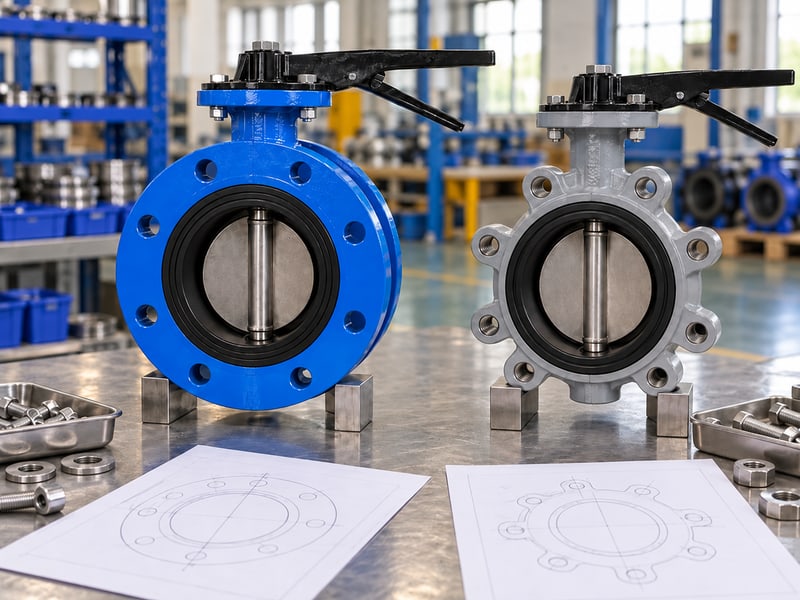
Treat u section type lug butterfly valve wording as unconfirmed until model drawings identify the actual connection. A purchase line can combine a short flanged-body name with a lug-retention requirement. Compare body faces, bolt holes, sealing, and maintenance conditions before accepting a quotation or ordering a replacement.
1. What does u section type lug butterfly valve wording mean?
The u section type lug butterfly valve wording needs a supplier clarification that identifies the actual body and connection arrangement. It should not be accepted as a universal standard category. The approved description must connect the requested function with a specific offered model and drawing.
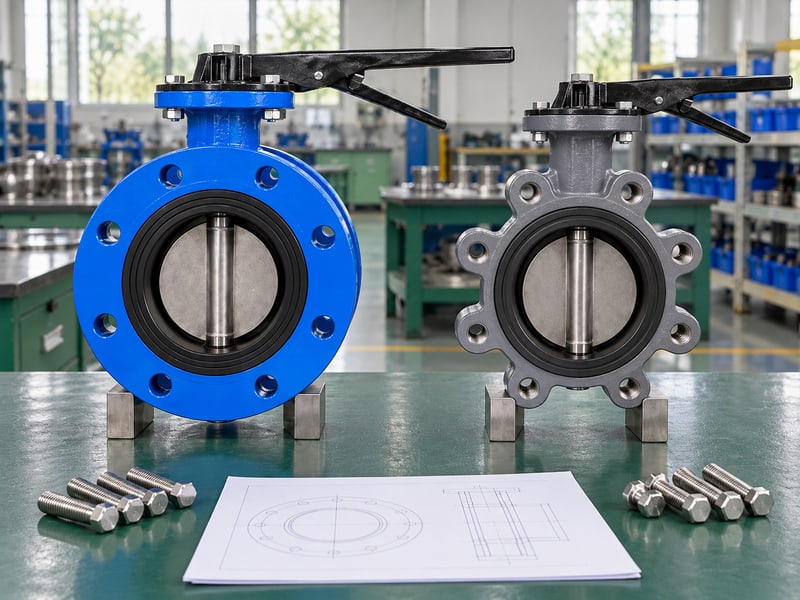
What should the clarification identify?
Ask for the connection drawing before comparing offers. Record whether the offered body has flange connection faces, perimeter lugs, or another specified retention arrangement. Keep the customer's original wording visible while engineering resolves the actual construction, so its intended maintenance requirement is not lost.
- Identify the offered body and model.
- Reference the connection and retention details.
- Record unresolved requirements as clarification items.
A catalogue photograph can help identify questions, but it cannot establish thread details, bolt engagement, or permitted service. Request the general arrangement and relevant sections for the exact offered unit.
What makes the wording ready for an order?
Key takeaway: Replace ambiguous wording with an accepted mechanical description and drawing references. Keep any unresolved request separate from a supplier's confirmed capability.
| Purchase detail | Required confirmation |
|---|---|
| Body description | Offered model and geometry |
| Connection | Accepted interface drawing |
| Intended function | Confirmed service requirement |
Return the clarification with the quotation review. Accept the construction only after the relevant interfaces and conditions are defined.
2. What body fits u section type lug butterfly valve wording?
The supplier's model drawings determine which body fits u section type lug butterfly valve wording in a particular enquiry. A U-shaped short body with flanged connection portions must be distinguished from a body retained through perimeter lugs and from another double-flanged configuration.
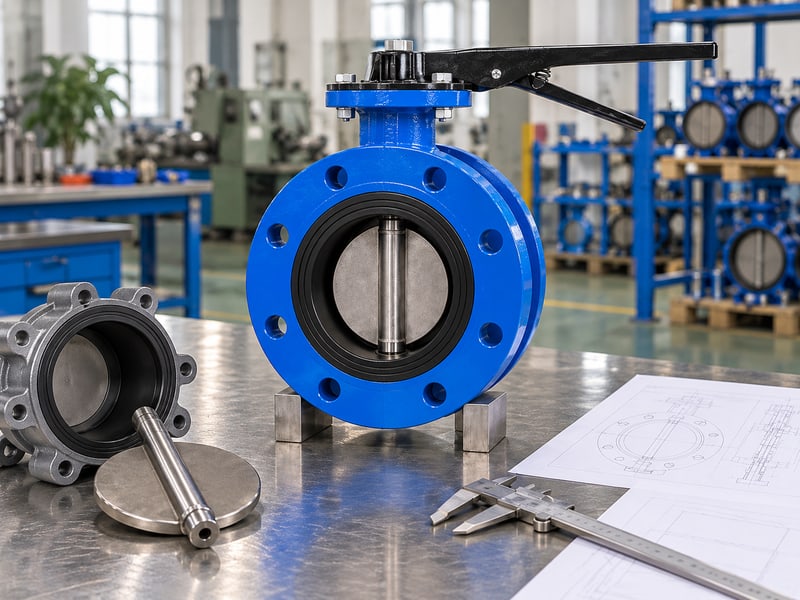
Which visible features need confirmation?
Compare the connection faces and bolt locations. Look for the actual flange faces, lug bosses, through-holes, and thread callouts in the drawings. A short body profile alone cannot establish that its retention method matches a requested lug arrangement.
- Identify the faces that mate with the pipeline.
- Locate the fastener path on each side.
- Match the sectional view with the offered model.
RUITO's flanged butterfly valve configurations include different body and disc constructions. Compare the exact drawing rather than assuming every body with two flange connections shares one face-to-face length, pressure rating, or mounting envelope.
How should the body choice be recorded?
Key takeaway: Record geometry and retention separately from the commercial name. A confirmed U-type model should retain its own drawing and connection description in the order.
| Feature | Drawing check |
|---|---|
| Connection face | Actual mating geometry |
| Lug or flange detail | Hole and fastener arrangement |
| Short-body profile | Model-specific dimensions |
Mark the accepted features on the review copy. Request clarification where the quotation and drawing identify different constructions.
3. What bolts retain a u section type lug butterfly valve?
A u section type lug butterfly valve request needs an approved fastener arrangement for its actual offered body. Threaded engagement, through-bolting, and flange bolting transfer loads through different features, so identify the complete connection rather than selecting bolts from the name alone.
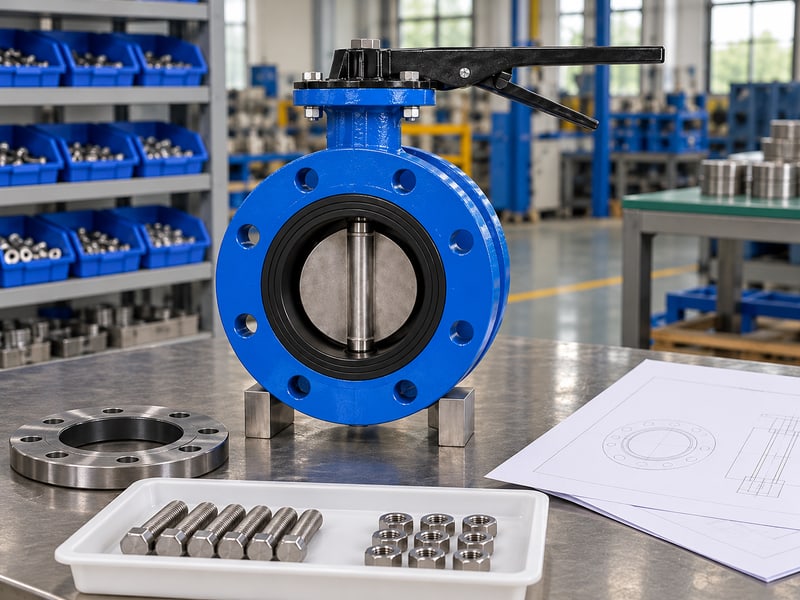
Which fastener details matter?
Trace each bolt into its retaining feature. For a threaded-lug proposal, confirm the thread, usable engagement, fastener length, and required hardware from the approved detail. A bolt that bottoms in a hole can appear tight without creating the intended connection.
- Check thread or through-hole identification.
- Confirm fastener length and engagement requirements.
- Identify hardware and tightening instructions.
When reviewing lug butterfly valves, verify the specific bolting arrangement and permitted load conditions. Separate bolt sets on the two sides may permit particular disconnection arrangements, but their presence alone cannot establish end-of-line pressure capability.
What should the retention record establish?
Key takeaway: Accept the complete bolt-to-body connection for the offered model. Do not infer thread engagement or retained-load capability from a similar-looking body.
| Fastener feature | Acceptance reference |
|---|---|
| Hole type | Thread or bore detail |
| Engagement | Approved usable length |
| Retained load | Specified assembly conditions |
Obtain the fastener schedule with the drawing. Resolve an unexplained connection mismatch before installation or replacement selection.
4. What dimensions define a u section type lug butterfly valve?
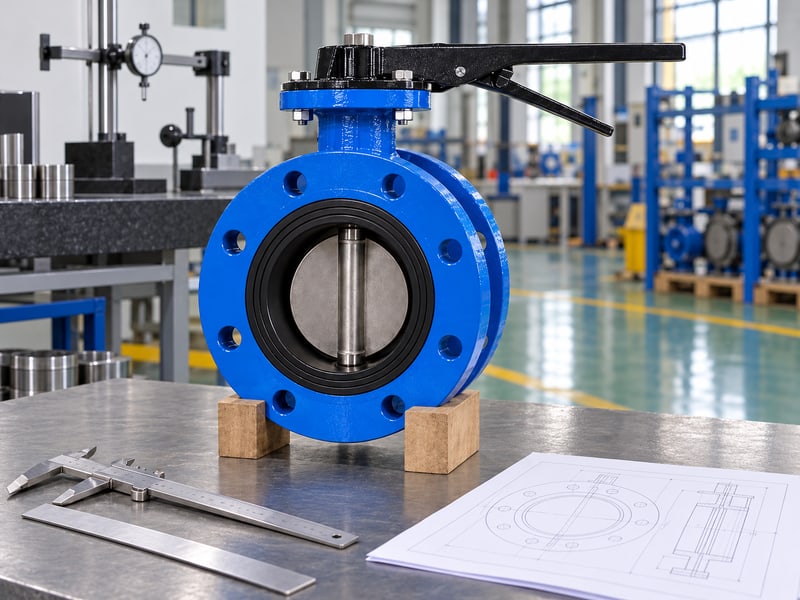
A purchase request reading u section type lug butterfly valve needs confirmed face-to-face length, flange interfaces, bore information, and disc-clearance dimensions. Nominal size cannot establish those values, and an accepted body classification does not independently prove that the assembly fits existing pipework.
Which references should dimensions follow?
Use the selected model's dimensional basis. The ISO 5752 dimensional catalogue describes face-to-face and centre-to-face series for metal valves in flanged systems. Where the project adopts it, confirm the applicable series and actual values through the accepted specification and drawing.
- Record face-to-face and mating flange requirements.
- Compare pipe and flange bore with disc clearance.
- Keep model and drawing revisions identifiable.
A standard designation does not establish every installed dimension or make two body styles interchangeable. Check adjacent fittings, disc travel, and the operator envelope against the actual layout; avoid applying a generic wafer dimension to a short U-type body.
What should a fit review deliver?
Key takeaway: Accept dimensional compatibility using identified values and references. The standards link provides scope context, while the selected drawing controls the proposed installation dimensions.
| Interface | Confirmed information |
|---|---|
| Face-to-face | Accepted length and basis |
| Pipe connection | Mating flange details |
| Bore and disc | Required movement clearance |
Send the relevant piping drawing with the enquiry. Close fit discrepancies before accepting the replacement or new assembly.
5. What seal fits a u section type lug butterfly valve?
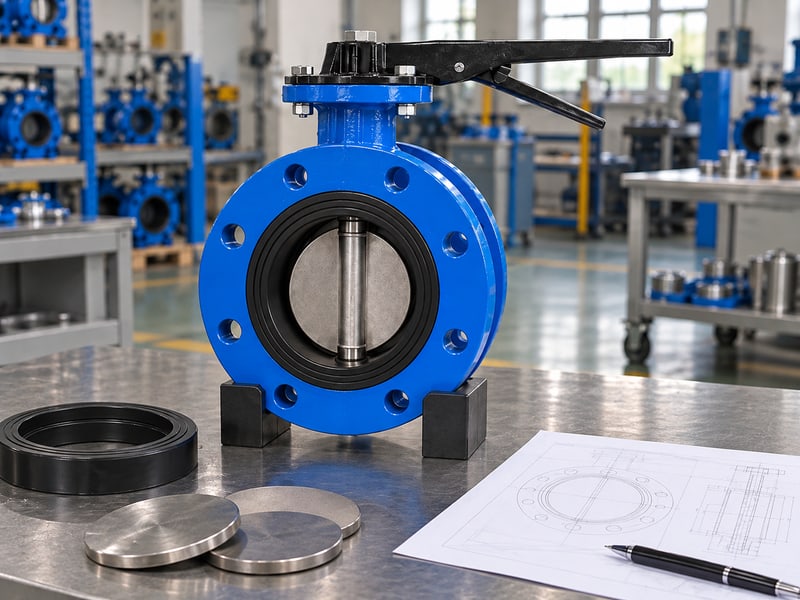
The seal for a u section type lug butterfly valve request follows the actual body, seat construction, fluid, and approved installation requirements. Body style alone cannot define gasket use, permitted flange loading, or the assembly's closing performance.
Which sealing interfaces should be separated?
Distinguish pipe sealing from disc seating. Review the flange interface and the internal disc-seat arrangement through the offered construction and instructions. A general statement about soft seats cannot establish whether the selected model requires a separate gasket or another approved sealing provision.
- Confirm the pipe-flange sealing arrangement.
- Identify seat and relevant auxiliary materials.
- Follow the selected installation and tightening requirements.
Keep fluid composition and operating conditions with the seal review. A material name or body connection category cannot establish compatibility with treatment additives, cleaning fluids, or a changed temperature envelope.
What should sealing acceptance reference?
Key takeaway: Use the model-specific sealing and installation details. Confirm closing differential and pressure direction from the selected construction rather than interpreting them from flange or lug appearance.
| Sealing detail | Required reference |
|---|---|
| Pipeline interface | Approved installation arrangement |
| Seat and seals | Accepted material configuration |
| Closing performance | Model limits and acceptance method |
Request missing sealing details before production or installation. Review any proposed gasket or seat change as a configuration change.
6. What support does a u section type lug butterfly valve need?
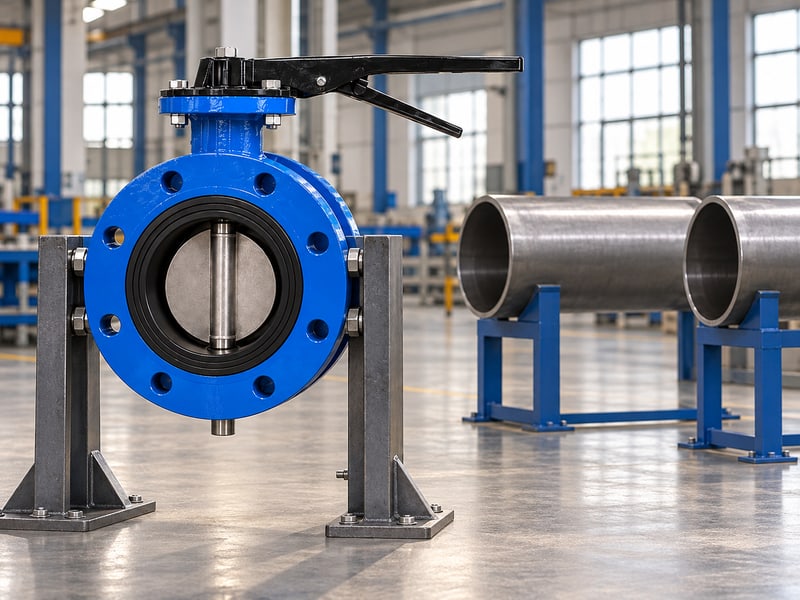
A u section type lug butterfly valve request needs a support and load review for the actual body, operator, pipework, and service conditions. Connection geometry cannot establish that a valve can carry unsupported pipeline weight or tolerate arbitrary external movement.
Which loads should the layout address?
Trace weight and operating loads through the assembly. Check pipe support, actuator or gearbox overhang, and any relevant forces from thermal movement or vibration. The approved arrangement should identify what the valve connection and operator mounting are designed to carry.
- Confirm the pipe-support and alignment arrangement.
- Review operator weight and mounting loads.
- Identify movement and restraint requirements.
Do not use valve bolts to pull misaligned pipework into place. An apparent match in bolt spacing cannot correct unsuitable flange alignment, and a rigid site support can introduce load if its movement conflicts with the approved layout.
What should the support record show?
Key takeaway: Support requirements belong to the installed assembly. Confirm load allowances and attachment details before treating flange rigidity or lug construction as a support solution.
| Load source | Review point |
|---|---|
| Pipework | Support and alignment |
| Operator | Mount and overhang |
| Movement | Approved restraint and allowances |
Ask engineering to identify any required support points. Inspect the completed arrangement before carrying out the approved functional checks.
7. How is a u section type lug butterfly valve disconnected?
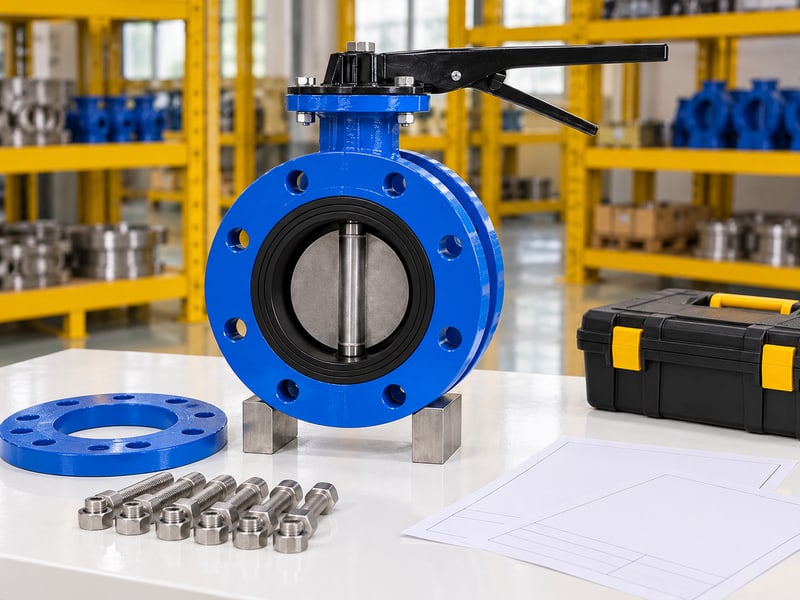
Disconnection of a u section type lug butterfly valve arrangement follows the approved model and site procedure under its stated isolation and retained-load conditions. Identify which connection can be removed and what supports and safeguards remain necessary before loosening fasteners.
What should the maintenance plan establish?
Review the retained assembly before removing a side. The procedure must address pressure isolation, trapped fluid, unintended disc movement, and any stored operating energy. Confirm the remaining connection, pipe supports, and operator support for the approved work arrangement.
- Identify the removable and retained connections.
- Verify the required pressure and energy isolation.
- Define support and temporary protection requirements.
A closed position indication does not establish a safe work boundary. Bodies with similar profiles can have different retention requirements, so an accepted maintenance arrangement on one model cannot approve the same disconnection on another.
What should authorise the work arrangement?
Key takeaway: Independent bolting and maintenance access are separate from verified pressure retention. Use the accepted instructions and isolation procedure for the exact configuration being worked on.
| Maintenance condition | Confirmation |
|---|---|
| Isolation | Accepted pressure and energy state |
| Retained assembly | Connection and support suitability |
| Exposed interface | Required protection and work controls |
Obtain clarification before dismantling an undocumented arrangement. Record the checks required before returning the assembly to service.
8. Can a u section type lug butterfly valve serve an end point?
End-of-line service for a u section type lug butterfly valve request requires explicit approval for the exact offered construction and conditions. Neither U-shaped geometry nor a lug description establishes the permitted pressure, direction, retained connection, or open-end arrangement.
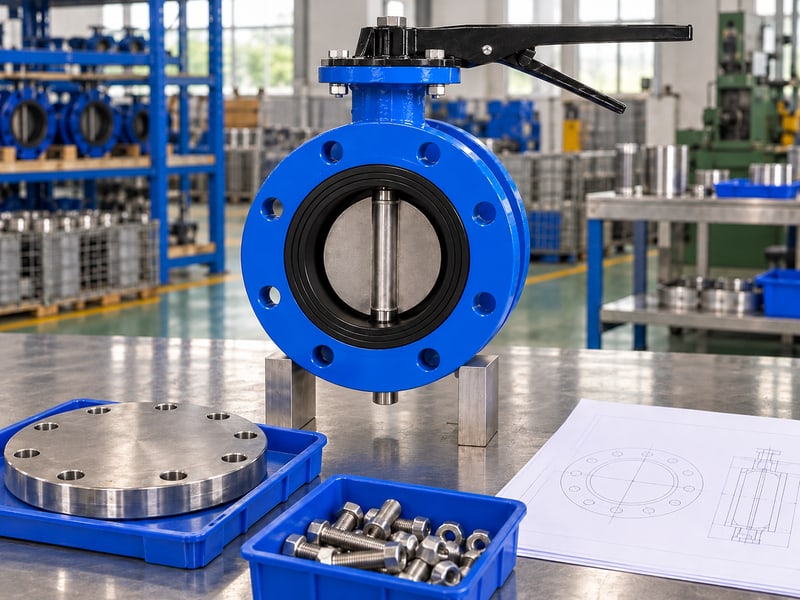
Which end-of-line conditions need confirmation?
Ask for the actual approved end-of-line arrangement. Identify the applicable valve size, pressure-temperature limits, closing differential, direction, and retention requirements. Any required cover, flange, support, or other protective provision must remain part of that approved description.
- State the intended open-end service condition.
- Request its specific rating and connection requirements.
- Confirm inspection and operating restrictions.
A normal in-line pressure rating cannot automatically establish end-of-line capability. Some lug configurations have approved duties with different limits, while another offered arrangement may require additional provisions or may not be approved for the requested condition.
What should the order record contain?
Key takeaway: Make end-of-line duty an explicit acceptance item. Keep the supplier's confirmed conditions and unresolved exceptions with the governing drawing and operating documents.
| Requested duty | Evidence required |
|---|---|
| End-of-line isolation | Exact approved configuration |
| Pressure and direction | Stated service limits |
| Retention and protection | Accepted installed arrangement |
Hold the requested duty open until its evidence is accepted. Do not broaden an approval when size, connection, or service changes.
9. What drive fits a u section type lug butterfly valve?
The drive for a u section type lug butterfly valve request must fit the actual shaft, mounting, load, and operating requirements of the selected body. A connection classification or mounting-standard label cannot independently establish complete operator compatibility.
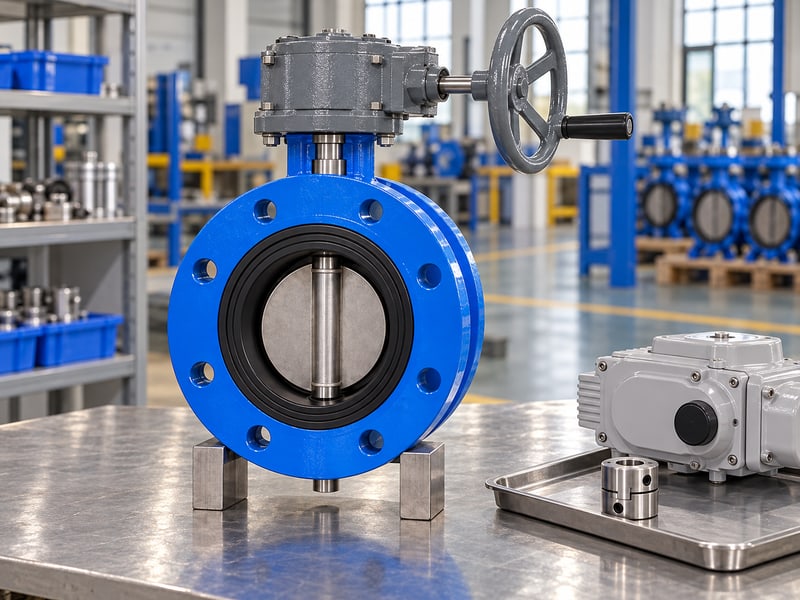
What should the operator review compare?
Match the offered drive with its body interface. Check engagement, retention, mounting geometry, required output, permissible shaft loads, and approved travel. Include access and support in the assembly drawing so an operator replacement does not introduce a different overhang or removal problem.
- Identify the drive and coupling configuration.
- Confirm operating and allowable load requirements.
- Verify travel and indication after approved assembly work.
When comparing RUITO's butterfly valve options, keep body connection, seat construction, and operator choice identifiable as separate decisions. Their combination must meet the stated service rather than borrowing one model's drive arrangement for every body style.
What should drive acceptance establish?
Key takeaway: Accept the complete operator-to-body arrangement. A drive that bolts onto the mount can still need a different insert, support, or approved setting procedure.
| Drive feature | Acceptance reference |
|---|---|
| Engagement | Actual shaft and coupling detail |
| Load capability | Selected service and component limits |
| Travel | Approved valve and drive procedure |
Request the operator arrangement with the quotation. Complete the agreed functional verification before operational handover.
10. What confirms a u section type lug butterfly valve order?
An order using u section type lug butterfly valve wording is confirmed only when its accepted description identifies the actual construction, interfaces, duties, and evidence. Retain the original clarification and carry the resolved requirements into the drawings, inspection plan, and purchase documents.
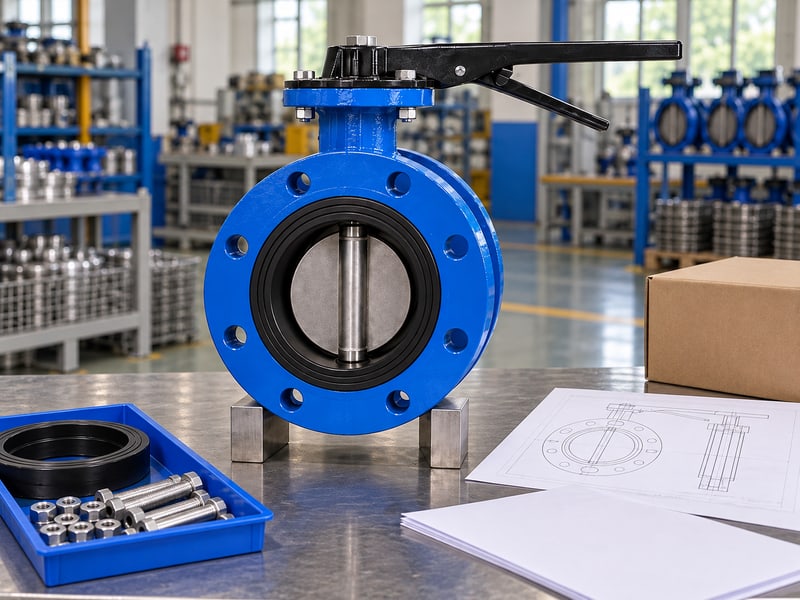
Which requirements should the returned quotation answer?
Compare the requested and offered arrangement explicitly. Ask for the selected body drawing, fastener schedule, dimensional basis, sealing details, support requirements, and permitted maintenance conditions. Keep end-of-line requests and operator requirements separate so an unanswered item cannot become an assumed capability.
- Identify the model and accepted connection description.
- Record confirmed interfaces and service restrictions.
- Assign owners to unanswered requirements and deviations.
The inspection scope should confirm the agreed dimensions, retention features, material configuration, and relevant function. A generic passed test or a visually similar sample cannot replace the agreed evidence for the supplied arrangement.
What should the final review deliver?
Key takeaway: Accept a traceable construction and a stated verification scope. Keep reviewed deviations with the order so later installation and maintenance use the same agreed information.
| Order item | Required response |
|---|---|
| Ambiguous description | Accepted model and drawing |
| Interfaces and duty | Confirmed limits and arrangement |
| Acceptance evidence | Agreed checks and documents |
Send RUITO the original wording, pipe-interface drawings, service data, and maintenance requirements; contact us today to review the proposed configuration. Request the exact connection and retention details before placing the order.
Frequently asked questions
Q1: Can I treat the combined wording as a standard body category?
No. Keep it unconfirmed until the offered model drawings identify the actual body, connection, and retention arrangement.
Q2: How do I know whether the lug holes are threaded?
Check the detailed drawing and thread callouts. Confirm engagement and fastener requirements for the actual offered model rather than judging from a photograph.
Q3: Can every lug body isolate an open end of pipe?
No. Request approval for the exact configuration, pressure, temperature, direction, retention, and installed protection required by the proposed end-of-line duty.
Q4: Do all soft-seat assemblies need the same gasket arrangement?
No. Use the selected valve's construction and installation instructions to confirm its pipeline sealing arrangement and permitted flange loading.
Q5: Can I approve a replacement using only nominal size and class?
No. Compare the accepted dimensions, bore clearance, connection, sealing, support, drive, and service requirements with the proposed replacement documents.