
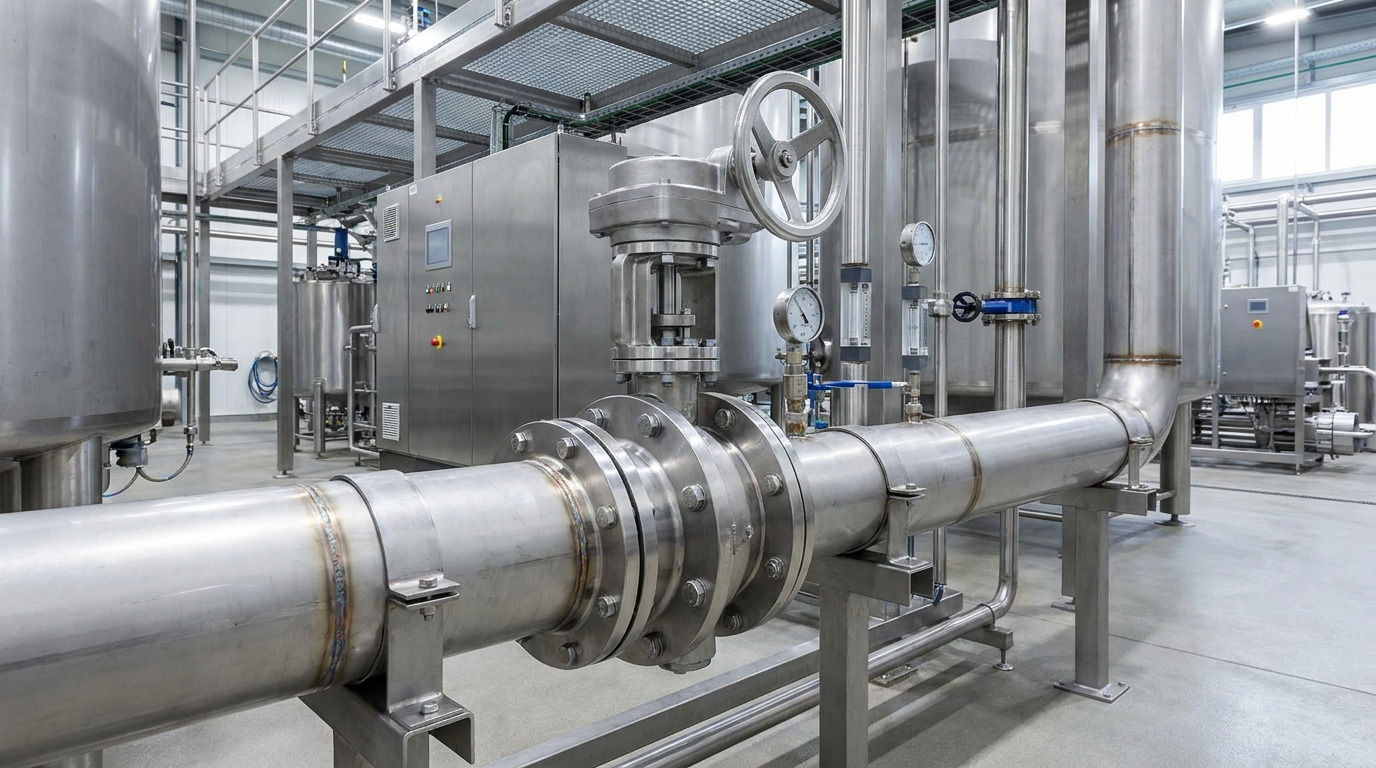
Do you know the characteristics of butterfly valves? These components feature a compact build, quarter-turn operation, and reliable sealing capabilities. Plant operators often struggle with heavy, outdated isolation devices. Every unexpected leak completely halts production schedules and drains maintenance budgets. Upgrading to modern quarter-turn solutions immediately resolves these hazardous fluid leaks while saving valuable physical space. Understanding specific butterfly valve characteristics empowers you to make smarter engineering decisions.
What structure defines basic butterfly valve characteristics?
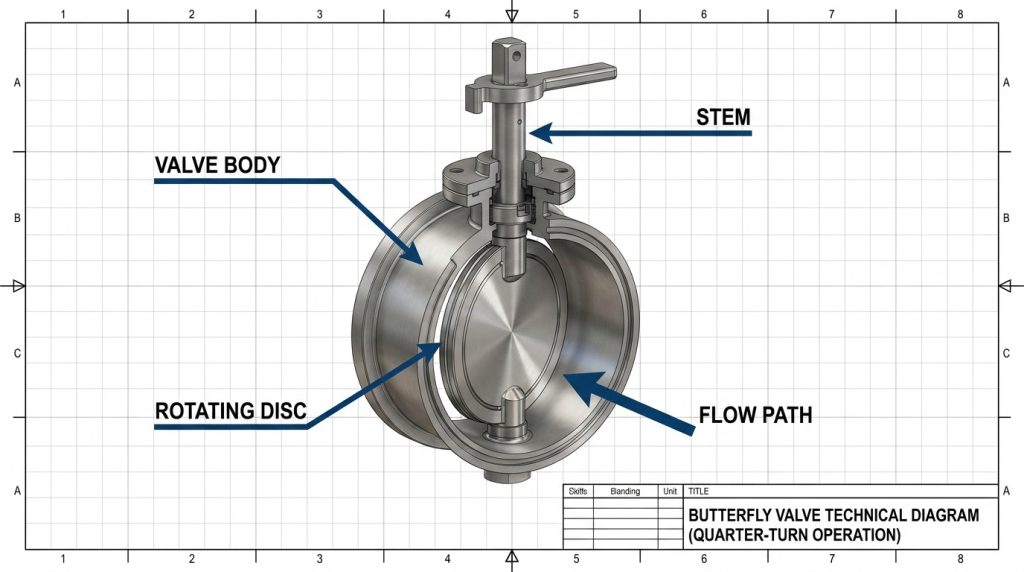
A narrow body containing a central rotating disc defines the basic butterfly valve characteristics. Many facility managers face extreme difficulties when attempting to fit massive control units into tight piping galleries. Adopting these specific components eliminates this spatial constraint due to their incredibly slim profile. A simplified internal geometry helps you utilize fewer raw materials while achieving excellent flow regulation.
How does a simple design reduce operational costs?
A streamlined configuration directly minimizes fluid resistance across your industrial pipeline network. Here’s the deal: utilizing fewer moving parts means you experience significantly less mechanical wear over decades of heavy operation.
- Requires much less structural support during initial installation.
- Lowers the frequency of routine maintenance checks.
- Simplifies inventory management for critical spare parts.
Key Takeaway: Adopting this compact architecture allows you to lower capital expenditures while drastically reducing ongoing maintenance headaches.
| Component | Function | Operational Benefit |
|---|---|---|
| Slim Valve Body | Fits narrow gaps | Reduces installation cost |
| Central Disc | Regulates flow | Decreases fluid resistance |
| Single Stem | Controls movement | Simplifies actuation mechanisms |
Analyzing these structural elements reveals how reducing physical complexity directly translates into measurable financial savings for your facility.
How does disc design improve butterfly valve characteristics?
Streamlined disc designs improve fundamental butterfly valve characteristics by significantly lowering hydrodynamic resistance during daily operation. In high-flow environments, turbulent water can cause severe pressure drops and massive system inefficiency. Selecting a unit featuring these specialized traits prevents excessive energy waste by maintaining a smooth media passage. A properly shaped disc lets the media glide past without creating damaging pipe vibrations.
Can precise disc geometry save energy?
Yes, the precise angle and smooth surface prevent flow disruption inside your active pipeline. What’s the real story? You will notice an immediate reduction in the electrical power required by your pumping systems.
- Lowers the required pump head pressure significantly.
- Reduces turbulence-induced pipe vibration.
- Maximizes the overall system flow coefficient effectively.
Key Takeaway: Improving the internal shape allows you to cut daily energy consumption and extend the lifespan of your surrounding pumps.
| Disc Feature | Hydrodynamic Effect | System Advantage |
|---|---|---|
| Streamlined Profile | Minimizes fluid wake | Lowers pressure drop |
| Smooth Surface | Reduces internal friction | Saves pump energy |
| Centered Position | Balances media flow | Prevents cavitation damage |
The data confirms that advanced disc geometries actively lower fluid resistance and create a highly energy-efficient flow environment.
Why is stem strength required for butterfly valve characteristics?
A strong through-rod stem is required for butterfly valve characteristics because it guarantees reliable mechanical motion and prevents structural failures. Engineers frequently deal with high-pressure surges that can snap weak internal linkages and cause catastrophic leaks. Integrating robust stem components secures the disc firmly and prevents dangerous blowouts during extreme pressure spikes. This continuous rod design offers superior corrosion protection against harsh industrial chemicals.
How does stem design protect your system?
A single continuous shaft delivers unmatched torque transmission from the external actuator down to the disc. Ready for the good part? Manufacturers design these stems with blowout-proof retaining mechanisms for maximum operator safety.
- Eliminates weak connection points inside the pipe.
- Maintains tight sealing under differing pressure loads.
- Withstands severe torsional stress during fast closures.
Key Takeaway: Investing in high-strength stem architecture protects your personnel and prevents costly environmental contamination from unexpected pipeline ruptures.
| Stem Attribute | Mechanical Role | Safety Benefit |
|---|---|---|
| Through-Rod Design | Unifies disc movement | Prevents internal breakage |
| Blowout-Proof End | Secures the shaft | Protects local operators |
| Hardened Surface | Resists scratching | Extends packing life |
Evaluating these mechanical properties shows why a durable stem remains critical for maintaining safe and consistent fluid control.
Which connections suit typical butterfly valve characteristics?
Flanged, wafer, and lug connection methods perfectly suit typical butterfly valve characteristics by accommodating different pipeline infrastructure requirements. Retrofitting older plants often presents mismatched pipe faces that complicate new equipment installation. Choosing the correct mounting style guarantees a secure fit regardless of your existing flange standards. These flexible connection options allow you to integrate new controls into existing networks seamlessly.
Do different connections matter for maintenance?
Yes, selecting the appropriate mounting method dictates how easily you can remove the unit for future servicing. This is where it gets interesting: lug-style bodies allow you to isolate downstream piping without draining the entire upstream system.
- Wafer styles offer the lightest weight configuration.
- Lug designs permit dead-end service operations easily.
- Flanged versions handle high-pressure applications safely.
Key Takeaway: Matching the connection type to your specific operational needs drastically reduces system downtime during scheduled maintenance intervals.
| Connection Type | Best Application | Maintenance Impact |
|---|---|---|
| Wafer Style | Space-constrained areas | Requires full system drain |
| Lug Style | End-of-line service | Allows partial pipe removal |
| Double Flange | High-pressure networks | Provides maximum joint stability |
Comparing these mounting methods helps you determine the most efficient installation strategy for your specific industrial layout.
How do actuators expand butterfly valve characteristics?
Actuators expand basic butterfly valve characteristics by transforming manual devices into fully automated fluid management systems. Operators often waste hours manually turning large handwheels across expansive chemical processing plants. Implementing electric or pneumatic driving forms allows you to manipulate flow rates instantly from a central control room. This automation integration drastically improves process precision and reduces human error during critical batch runs.
Can automation improve process safety?
Automated drivers respond instantly to emergency signals and isolate dangerous chemical spills faster than any human could. Here’s the kicker: advanced electro-hydraulic linkages provide fail-safe closures even during complete facility power outages.
- Enables precise proportional flow adjustments remotely.
- Triggers immediate shutdowns during pressure anomalies.
- Integrates seamlessly with factory PLC networks.
Key Takeaway: Upgrading to automated drivers gives you absolute control over your fluid processes while significantly improving overall facility safety.
| Actuator Type | Power Source | Ideal Use Case |
|---|---|---|
| Pneumatic | Compressed air | Fast emergency shutdown |
| Electric | Electrical grid | Precise flow modulation |
| Manual Gear | Human force | Infrequent maintenance isolation |
Reviewing these driving mechanisms demonstrates how automation directly increases both process efficiency and emergency response capabilities.
Why is compact size among top butterfly valve characteristics?
A minimal face-to-face dimension ranks among top butterfly valve characteristics because it solves severe spatial limitations in modern engineering designs. Shipbuilders and commercial HVAC contractors constantly battle against cramped installation footprints. Utilizing these incredibly thin devices frees up valuable area for other critical mechanical components. This shortened length also significantly decreases the physical weight burden placed upon the supporting piping framework.
Does a smaller footprint mean weaker performance?
No, these modern devices handle immense pressures despite their incredibly narrow physical dimensions. You might be wondering: how do they maintain a tight seal in such a small space?
- Advanced seat designs distribute pressure loads evenly.
- High-strength alloys replace bulky cast iron structures.
- Optimized disc shapes handle high velocities safely.
Key Takeaway: Leveraging this compact geometry helps you refine facility layouts without compromising on fluid handling capacity or system pressure ratings.
| Size Metric | Traditional Gate | Modern Quarter-Turn |
|---|---|---|
| Face-to-Face | Extremely wide | Incredibly narrow |
| Physical Weight | Very heavy | Highly lightweight |
| Support Needs | Requires strong bracing | Minimal bracing needed |
This dimensional comparison illustrates exactly why engineers prefer quarter-turn designs when dealing with strictly limited installation zones.
What materials support durable butterfly valve characteristics?
Selecting premium metal alloys and robust elastomers supports durable butterfly valve characteristics by actively preventing rapid chemical degradation. Industrial processes frequently pump highly corrosive acids that quickly destroy standard carbon steel components. Upgrading your internal parts to specialized stainless steel or bronze combinations completely halts this destructive oxidation process. These advanced material choices guarantee your equipment survives decades of exposure to abrasive mining slurries or harsh marine environments.
How do seat materials affect longevity?
The internal rubber or polymer seat acts as the primary defense against aggressive media leakage. Here’s the deal: matching the correct elastomer to your chemical application prevents premature swelling and catastrophic seal failure.
- EPDM rubber excels in high-temperature water systems.
- NBR provides excellent resistance against petroleum oils.
- PTFE handles the most aggressive corrosive chemicals safely.
Key Takeaway: Specifying the exact metallurgical and polymer composition helps your equipment outlast standard alternatives in punishing industrial applications.
| Material Component | Common Option | Resistance Property |
|---|---|---|
| Valve Body | Ductile Iron | High mechanical strength |
| Central Disc | Stainless Steel | Excellent corrosion prevention |
| Internal Seat | PTFE Polymer | Extreme chemical resistance |
Evaluating these material properties confirms that proper alloy selection fundamentally dictates the functional lifespan of your fluid infrastructure.
How does quick rotation shape butterfly valve characteristics?
A simple 90-degree rotational movement shapes core butterfly valve characteristics by enabling exceptionally rapid opening and closing cycles. Emergency situations demand immediate pipeline isolation to prevent catastrophic flooding or toxic gas releases. Implementing quarter-turn devices guarantees you can shut down hazardous lines in fractions of a second. This rapid mechanical action easily outperforms traditional multi-turn designs that require lengthy manual effort to close fully.
Does fast closing cause system damage?
Rapidly halting fluid flow can create dangerous water hammer effects if not properly managed. What’s the real story? Modern actuators feature specialized dampening systems that slow the disc right before final closure.
- Prevents destructive shockwaves from shattering brittle pipes.
- Protects downstream instruments from sudden pressure spikes.
- Guarantees a soft seat engagement for prolonged seal life.
Key Takeaway: Balancing rapid actuation speeds with controlled closing mechanics allows you to isolate emergencies quickly without fracturing your piping infrastructure.
| Operation Metric | Quarter-Turn Design | Multi-Turn Design |
|---|---|---|
| Closing Speed | Extremely fast | Very slow |
| Actuation Angle | 90 degrees | Multiple full rotations |
| Emergency Use | Highly recommended | Not advised |
This operational data highlights why quarter-turn mechanics remain the absolute standard for time-sensitive fluid isolation tasks.
Why is low torque part of good butterfly valve characteristics?
Minimal driving force requirements form a core part of good butterfly valve characteristics by drastically reducing the energy needed for actuation. Facility operators frequently struggle to physically open heavily corroded legacy equipment during routine maintenance tasks. Installing low-torque units prevents operator fatigue and drastically lowers the risk of acute workplace injuries. This reduced friction also allows engineers to specify smaller automated actuators for their automated networks.
Can reduced torque save automation costs?
Absolutely, a lower turning resistance directly translates into cheaper electrical components and smaller pneumatic air compressors. Ready for the good part? You will save thousands of dollars on auxiliary equipment when outfitting a new processing plant.
- Permits the use of compact electric motors.
- Decreases daily compressed air consumption across the factory.
- Extends the operational lifespan of internal gear mechanisms.
Key Takeaway: Selecting low-torque designs drastically cuts your initial actuator procurement costs and lowers long-term energy consumption across your facility.
| Friction Source | Design Solution | Cost Benefit |
|---|---|---|
| Stem Packing | Polished surfaces | Lowers actuator size |
| Seat Interference | Machined profiles | Reduces power usage |
| Bearing Wear | Self-lubricating alloys | Cuts maintenance costs |
Reviewing these frictional variables proves that refining internal mechanics directly yields substantial financial savings on surrounding automation infrastructure.
What sealing mechanisms define butterfly valve characteristics?
Advanced interference rubber and resilient polymer seating mechanisms define critical butterfly valve characteristics by guaranteeing absolute zero-leakage performance. Unnoticed pipeline drips slowly waste expensive processed chemicals and create severe environmental compliance violations. Utilizing high-quality elastomer linings creates a perfect bidirectional barrier that completely blocks fluid migration. This reliable sealing technology maintains strict environmental standards while protecting your bottom line from invisible product losses.
How do concentric designs maintain a seal?
The disc edge compresses tightly against the rubber liner to form an impenetrable mechanical barrier. This is where it gets interesting: the system pressure actually helps push the flexible rubber tighter against the metal disc.
- Compensates automatically for minor internal temperature fluctuations.
- Forgives small particulate matter trapped in the media stream.
- Provides consistent bidirectional isolation regardless of flow direction.
Key Takeaway: Trusting resilient seating technology helps you eliminate hazardous fugitive emissions and effortlessly pass rigorous environmental safety audits.
| Seal Design | Media Capability | Leakage Rating |
|---|---|---|
| Resilient Rubber | Clean water/air | Zero visible leakage |
| High-Performance | High temperature | Meets strict API standards |
| Metal-to-Metal | Abrasive slurries | Class IV or higher |
Analyzing these sealing architectures demonstrates how specialized internal linings provide ultimate protection against costly and dangerous fluid leaks.
We resolved your concerns about tight installations and system leaks by outlining how quarter-turn mechanisms function. RUITO provides precision-engineered fluid control components tailored for your most demanding industrial applications. Our commitment centers on delivering consistent reliability across every pipeline project worldwide. Please reach out and contact us today for your next system upgrade.
FAQ
Q1: Can I use these valves for high-pressure systems?
Yes, you certainly can. High-performance models feature heavy-duty bodies and reinforced stems that handle extreme pressure spikes without leaking.
Q2: What’s the best material for corrosive chemical applications?
PTFE-lined bodies stand as the absolute best choice. This specialized polymer resists highly aggressive acids and prevents internal metal degradation completely.
Q3: How do I know if I need a lug or wafer connection?
You should select lug styles if you need end-of-line servicing capabilities. Wafer types work best when saving space and reducing weight remain your top priorities.
Q4: Can I automate an existing manual quarter-turn device?
Yes, retrofitting is highly straightforward. You simply remove the manual handwheel and mount a compatible electric or pneumatic actuator onto the universal top flange.
Q5: What’s the best way to prevent water hammer during closing?
Installing actuators with adjustable closing speeds provides the safest solution. Slowing the disc rotation during the final few degrees prevents sudden hydraulic shockwaves.