
How to Plan Wholesale Butterfly Valve Orders Without Mistakes
A wholesale butterfly valve with supervisory switch order should be managed as identifiable configuration lines with agreed documents, spare allocations, and delivery stages. A shared description or packing group can hide differences between valves that need separate review. Establish the order matrix before confirming quantities, then retain its relationships through packing and project handover.
1. What is a wholesale butterfly valve with supervisory switch order?
A wholesale butterfly valve with supervisory switch order is a set of agreed configurations, quantities, document requirements, and delivery allocations. It may include different sizes, connections, operators, or supervision arrangements. Define those differences by line so the buyer can identify what has been accepted and what remains unresolved.

Start with the project’s actual equipment schedule and accepted technical requirements. Ask the supplier to respond against each configuration rather than issue one general description for the whole enquiry. Keep quantities and required spare items as project inputs; the word wholesale does not define a technical configuration or an acceptance plan.
Build the matrix around decisions the buyer must make
Record the valve construction, connection, normal-position requirement, operator-switch identity, document basis, approval expectations, and intended delivery allocation. Identify the party responsible for each open field. The matrix should allow a reviewer to approve one defined line without accidentally accepting a different configuration elsewhere in the order.
- Separate configuration identity from ordered quantity.
- Record technical and document status for each line.
- Assign open requirements to named supplier and project reviewers.
| Matrix field | Decision it supports |
|---|---|
| Configuration | What product is being accepted? |
| Quantity and allocation | What does the project require for that line? |
| Evidence status | Which requirements are supported or still open? |
| Delivery stage | When and where is that scope allocated? |
Keep a line provisional when its configuration or required evidence has not been established.
2. Which configurations need their own order line?
Give distinct configurations their own identifiable entries in a wholesale butterfly valve with supervisory switch order whenever a difference affects the accepted product or required evidence. Review size, actual mating dimensions, body connection, normal position, gear, switch, and relevant revisions. A shared nominal size cannot establish that two assemblies can be interchanged.
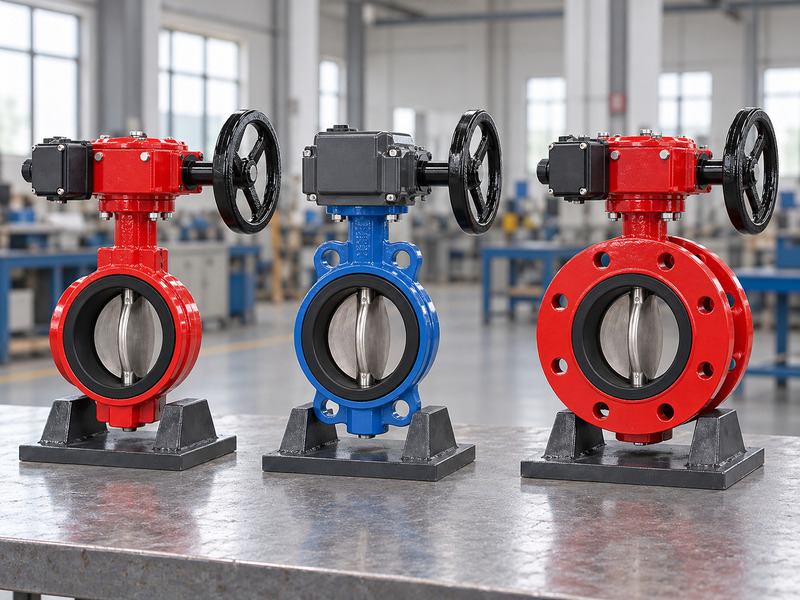
A grooved end butterfly valve entry should identify its actual mating arrangement, while a wafer butterfly valve entry needs its own connection and assembly basis. Preserve the relevant operator and supervision information for both. Body style alone cannot settle the permitted accessory combination.
Keep meaningful differences visible in the matrix
The Series 705 manufacturer publication distinguishes nominal size from actual pipe outside diameter and presents product data by the applicable entry. Use that as an example of why exact identification belongs in a matrix. Obtain the offered product’s own data rather than transferring dimensions or approval coverage between families.
- Identify actual connection requirements alongside nominal size.
- Record the required normal position and supported supervision arrangement.
- Keep operator and switch differences identifiable even when housings look similar.
| Difference | What to preserve in the line |
|---|---|
| Size or mating detail | Applicable product and connection data |
| Body connection | Actual construction and drawing |
| Normal position | Supported mechanical supervision basis |
| Gear or switch version | Accepted component configuration |
Refer a proposed line consolidation for technical review when it would hide one of these differences.
3. Which documents can be shared across several lines?
Share a document across a wholesale butterfly valve with supervisory switch order only within its identified product and configuration coverage. Record which lines it supports and which conditions still need separate evidence. A common product-family title cannot establish that every size, rating, connection, or accessory in the order has the same coverage.

For a flanged butterfly valve group, identify the relevant drawings and product evidence for the actual entries. Keep any common instructions separate from line-specific data or inspection results. The reviewer needs to see both the shared document and the limits on its applicability.
Record coverage instead of forwarding an undifferentiated folder
UL’s certification database guidance describes locating information for products and components using identifying details. Check the actual record and its scope against the proposed lines. The buyer’s document index should preserve any size, rating, use, or accessory restriction relevant to the order.
- Identify the document’s applicable product and revision.
- Map the supported lines and any stated limits.
- Keep missing or line-specific evidence visible.
| Document relationship | Index entry to maintain |
|---|---|
| Shared document | Covered product group and revision |
| Line-specific data | Exact configuration and applicable conditions |
| Product approval evidence | Relevant covered entries and restrictions |
| Inspection record | Supplied items or defined scope it addresses |
An accepted common document should not close a separate line’s unresolved evidence requirement.
4. How should product, lot, and package identities relate?
Relate product, lot, and package references according to the actual supplier identification system used for the wholesale butterfly valve with supervisory switch order. Each reference can serve a different tracking purpose. Obtain the manufacturer’s definitions and recorded links instead of assuming every valve has an individual serial number or that one box contains only one configuration.

Ask how a delivered item or defined group is associated with its configuration, applicable production evidence, and packing allocation. Preserve the order-line relationship even when the manufacturer’s batch boundaries differ from the buyer’s project groups. The identification method should support the traceability result the contract requires.
Define what a traceability enquiry can resolve
Have the supplier explain how it would identify the affected supplied scope if a document or component issue arose later. Record any limits of the method in the quality agreement. A lot reference should not be used as proof that every item has identical construction, interchangeable accessories, or the same project destination.
- Obtain the actual meanings of product, lot, and packing references.
- Preserve links to configuration and applicable records.
- State the scope the agreed identification method can retrieve.
| Reference level | Relationship to confirm |
|---|---|
| Product or defined supply group | Accepted configuration and order line |
| Lot or batch | Manufacturer’s actual grouping and record scope |
| Package | Contents and delivery allocation |
| Project asset | Receiving and installation record relationship |
Close an identification gap before relying on the affected reference for receiving or later support.
5. How should spare parts be assigned to each configuration?
Assign spares in a wholesale butterfly valve with supervisory switch order to the exact configurations they are intended to support. Agree quantities and the form of spare supply with the project. A complete spare assembly, an operator package, a permitted kit, and an individual component create different evidence and handover requirements.

Ask the manufacturer to identify the permitted spare relationship with the valve, gear, switch, mounting, and applicable instructions. Keep any limits visible in the order matrix. Similar size, housing, connector, or contact labels cannot establish that a spare is suitable across all configurations in the purchase.
Give every spare allocation an application reference
Record the spare description, supported order lines or assets, relevant component identity, document version, and intended storage or delivery allocation. Where one proposed spare is said to cover several entries, request the supporting manufacturer evidence. Leave quantities and coverage open until the project’s responsible parties have accepted the proposal.
- Identify which configurations each proposed spare supports.
- Distinguish individual components from complete replacement packages.
- Obtain the applicable instructions and required product evidence.
| Spare-supply form | Clarification to obtain |
|---|---|
| Complete assembly | Covered configuration and accepted scope |
| Operator-switch package | Permitted valve relationship and instructions |
| Mounting or accessory kit | Documented application coverage |
| Individual component | Exact identity and supported replacement use |
Do not extend a spare’s accepted use to other order lines without the evidence needed for that extension.
6. Which substitutions need a recorded decision?
Record a proposed substitution in a wholesale butterfly valve with supervisory switch order whenever it changes an accepted component, configuration, document basis, or applicable evidence. Identify all affected lines and delivery stages. A substitution accepted for one entry should not silently become the default for the rest of the order.

Ask the supplier to identify the proposed difference, reason, technical effect, approval implications, and affected supply. Include consequences for shared documents and assigned spares. The project reviewer needs that scope before deciding whether the proposal is acceptable or requires more information.
Review the affected group without losing individual differences
Keep the original requirement, proposed alternative, supporting evidence, and accepted decision linked in the matrix. Identify which configuration revision applies to each affected delivery. If a common document changes, review its applicability across the mapped lines instead of replacing every file reference automatically.
- Identify affected configurations and delivery allocations.
- Review spare coverage and shared-document implications.
- Retain the accepted scope and effective version of the change.
| Substitution effect | Record to review |
|---|---|
| Gear or switch identity | Permitted arrangement and relevant interface evidence |
| Valve construction | Materials, connection, ratings, and supporting documents |
| Shared document | All mapped lines and applicable limits |
| Spare coverage | Supported replacement relationships |
A grouped approval should state exactly which entries and conditions it covers.
7. How should staged deliveries remain consistent?
Manage staged delivery of a wholesale butterfly valve with supervisory switch order through defined line quantities, accepted versions, packing allocations, and outstanding scope. Keep each stage associated with the current approved matrix. A later shipment can carry a different accepted revision, but the difference must be identifiable to the receiving project.

Ask the supplier to distinguish the overall order scope from the contents of each dispatch. Record which documents accompany that stage and which records apply to remaining supply. Define how the project will be told about accepted changes before items from different stages enter the same materials area.
Make partial delivery information usable at receipt
The dispatch schedule should identify the relevant line, supplied quantity, configuration version, package reference, and remaining allocation under the agreed system. Identify separate accessories and spares in that relationship. A shared packing container should preserve those distinctions rather than leave receiving personnel to infer them from appearance.
- Connect every delivery stage with the accepted configuration version.
- Identify supplied and outstanding hardware and documents.
- Preserve line and spare allocation through mixed or separate packing.
| Delivery record | Information to retain |
|---|---|
| Current dispatch | Accepted lines, versions, and supplied scope |
| Packing allocation | Contents and their order relationships |
| Outstanding balance | Remaining agreed hardware and records |
| Accepted change | Effect on this stage and later supply |
Resolve an unexplained version or allocation difference before the affected items are treated as interchangeable project material.
8. Who defines the inspection and receiving plan?
The buyer’s quality agreement and accepted product requirements should define the inspection and receiving plan for the wholesale butterfly valve with supervisory switch order. Agree the applicable scope, methods, records, criteria, and responsible parties. Order size alone does not determine a universal sample count or prove that evidence from one configuration covers another.

Identify the population or supplied scope to which an inspection result applies, including relevant configuration differences. Ask the quality reviewer to define the accepted selection and disposition process where sampling is proposed. Preserve the limits of a result instead of labelling an entire mixed order accepted from an unexplained subset.
Keep selection, results, and disposition connected
The receiving record should associate the examined scope with order lines, product identities, documents, and observed exceptions. Agree who determines the affected extent and required follow-up when a discrepancy appears. Leave any broader acceptance decision with the designated quality and project parties.
- Define the actual supplied scope covered by the plan.
- Agree selection, criteria, and evidence with the responsible reviewer.
- Record how discrepancies affect the remaining acceptance decision.
| Plan element | Question to settle |
|---|---|
| Defined scope | Which supplied items and configurations are covered? |
| Selection basis | What has the quality agreement accepted? |
| Record requirements | What results and identities must remain linked? |
| Disposition route | Who decides the response to a discrepancy? |
An unexplained inspection scope should be clarified before its result is applied to other configurations.
9. How do order lines become project asset records?
Carry the wholesale butterfly valve with supervisory switch order mapping into the project’s receiving and asset records using the actual identification available for the supplied equipment. One purchase line can support several project allocations. Preserve the relationship without allowing a commercial grouping to define the installed monitoring arrangement.

Assign the recipient of configuration documents, spare coverage, accepted changes, and outstanding conditions for each project allocation. Keep packing references useful until the receiving and asset records have captured the necessary links. The qualified project team remains responsible for the required installed position, input, event, and acceptance evidence.
Keep the accepted basis available for repeat enquiries
Retain the matrix revision and relevant manufacturer documents with the project record. When a repeat order or spare enquiry arises, ask the supplier to confirm the configuration and current applicable evidence against that basis. An earlier purchase-order description cannot establish that the same component version, permitted combination, or document coverage remains available.
- Connect supply lines and packing references with project allocations.
- Retain spare coverage and accepted revisions with the asset information.
- Reconfirm the relevant configuration before repeating an order.
| Record transition | Relationship to preserve |
|---|---|
| Order to dispatch | Line, version, and packing allocation |
| Dispatch to receipt | Actual supplied identity and exceptions |
| Receipt to asset | Project allocation and applicable documents |
| Asset to repeat enquiry | Accepted configuration and reviewed changes |
Keep a repeat request under review until the supplier has confirmed its relationship with the accepted configuration.
10. What else should buyers confirm for bulk orders?
Before accepting a wholesale butterfly valve with supervisory switch order, confirm the configuration matrix, document coverage, spares, identification method, staged allocations, and quality-plan boundaries. Record unresolved items by line. Batch administration should preserve the technical distinctions the project requires.

Q1. Does a shared nominal size make two assemblies interchangeable?
No. Compare actual connections, valve construction, normal-position capability, gear-switch arrangement, revisions, and applicable evidence. A matching size or similar housing cannot establish the same accepted configuration.
Q2. Can one document package cover the entire mixed order?
Only within its demonstrated coverage. Map shared documents to the supported lines and retain any size, rating, accessory, or use restrictions. Keep line-specific evidence and missing records visible.
Q3. Can I use the same spare switch across every line?
Only where the manufacturer supports that replacement relationship and the relevant project parties accept it. Identify the applicable valve, operator, mounting, electrical conditions, environment, and product evidence before extending spare coverage.
Q4. Can I repeat the previous purchase order unchanged?
Reconfirm the proposed configuration and evidence before acceptance. Check relevant manufacturer changes, document revisions, required project conditions, and spare relationships. A repeated commercial description does not establish continued technical equivalence.
Q5. What should RUITO receive for a multi-configuration enquiry?
Provide the line matrix, required assembly details, quantities and allocations, requested spare scope, product-evidence requirements, and proposed quality plan. Ask RUITO to identify the configurations and records it can review for the proposal, with specific supervisory-accessory supply and evidence confirmed before inclusion.
To develop that response, contact us with the matrix and the unresolved line requirements. Request a configuration-specific scope, document coverage, and agreed treatment of substitutions and staged deliveries.