
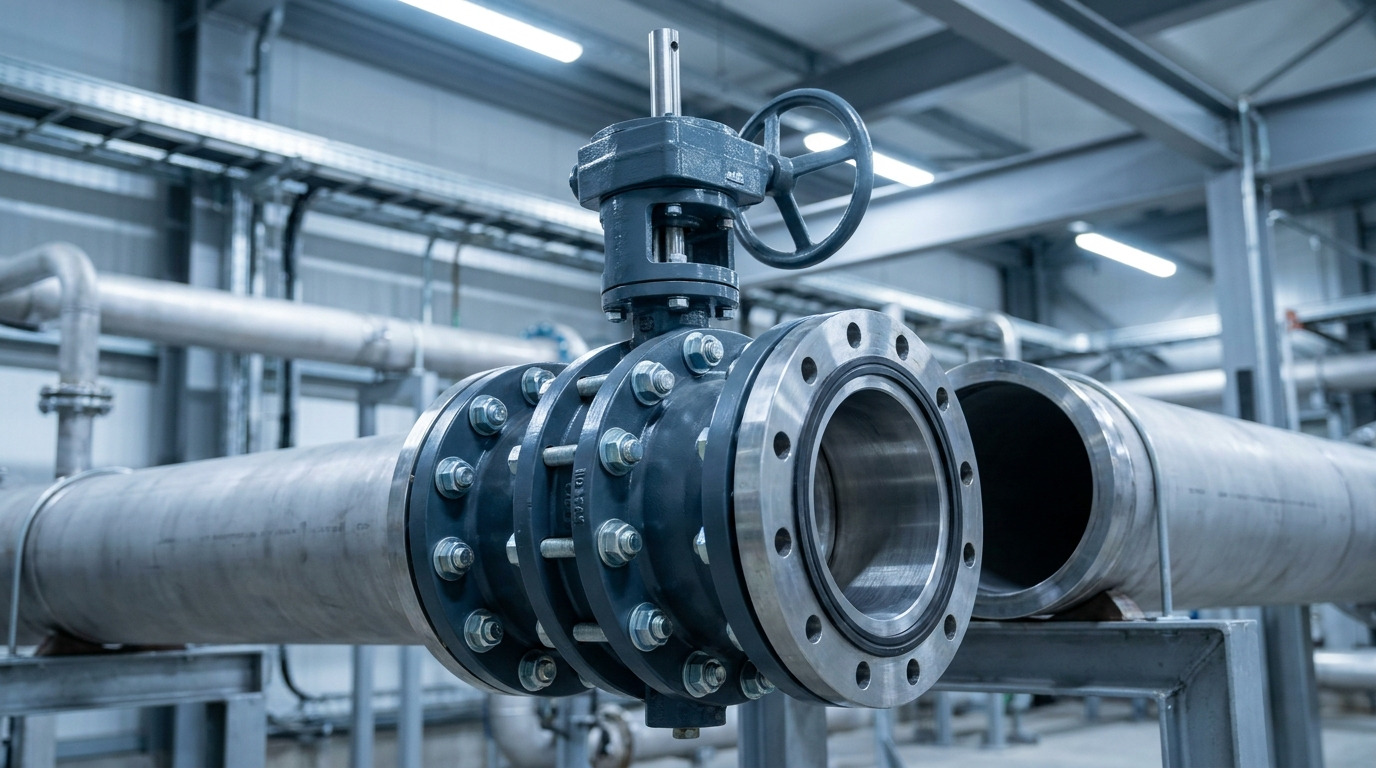
A lug body butterfly valve fits best when you need each flange bolted independently, dead-end service, or downstream pipe removal; a wafer valve fits better when the valve will always stay clamped between two flanges and cost or space matter more. The right choice depends less on the valve name and more on how the valve is bolted, tested, maintained, and isolated in your actual piping system.
If you are comparing a butterfly valve for water, chemical, HVAC, marine, or utility service, the key question is practical: will the valve only isolate flow, or must it also support safe maintenance on one side of the line? That single difference often decides whether lug body construction is worth the added weight and cost.
What a Lug Body Butterfly Valve Actually Changes
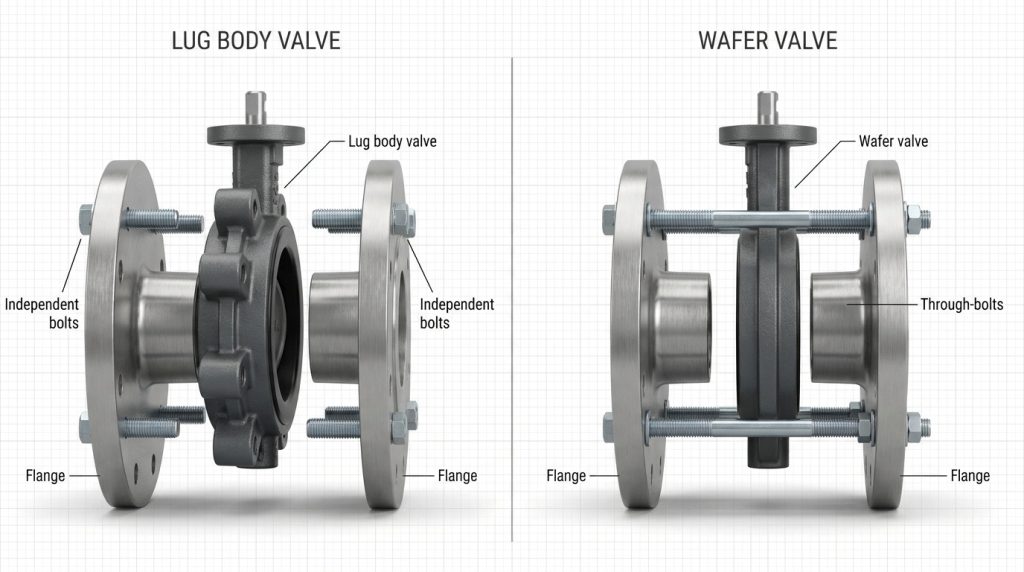
A lug body butterfly valve changes the way the valve is supported between flanges, because the body has lug-style bolt holes around the outside instead of relying only on long through-bolts. In many lug designs, each flange is bolted to the valve body from its own side, so one side of the pipeline can be removed while the opposite side remains connected, if the valve is rated for that duty.
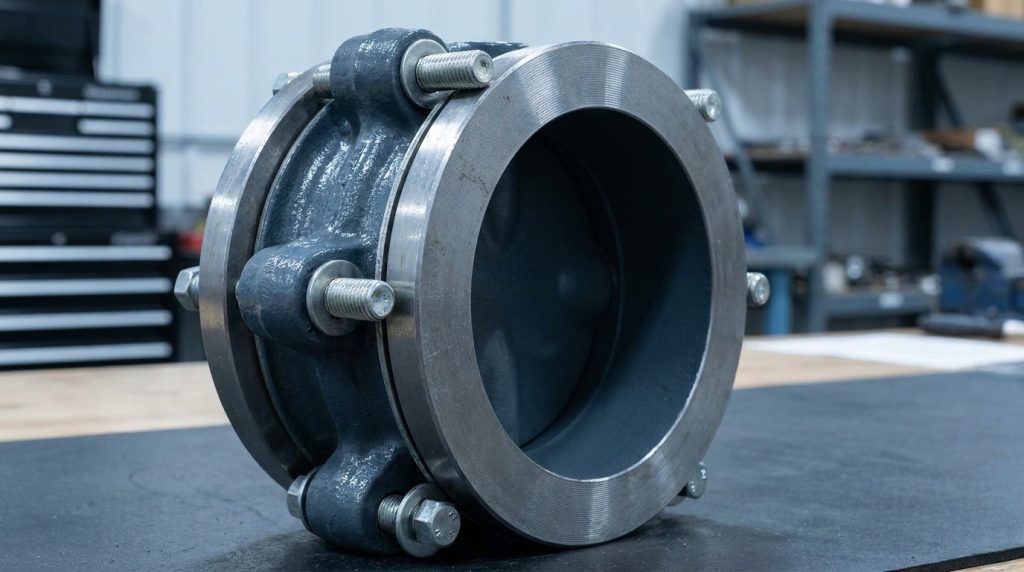
This does not mean every lug valve is automatically safe for full-pressure dead-end service. The body design, seat type, pressure direction, bolt engagement, flange standard, and manufacturer’s data sheet all matter.
How the Lugs Carry Bolt Load
The lugs distribute bolting load through the valve body, which helps keep the valve centered and supported between the two pipe flanges. In a wafer valve, the valve is usually held in position by long bolts or studs passing around the body from flange to flange.
This makes the lug body more useful where the valve may be disturbed during maintenance. It also makes bolt selection more sensitive, because bolt length, thread engagement, and flange thickness must match the valve drawing.
What Changes During Maintenance
The practical value of a lug design appears when you need to remove downstream piping, a pump, a strainer, or a short spool. If the valve is properly rated, bolted, and isolated, the upstream side may remain closed while work happens downstream.
For that reason, dead-end service should be treated as a specified requirement, not an assumption. If dead-end isolation is part of your maintenance plan, check the pressure rating, flow direction, and installation notes before ordering.
Lug Body vs Wafer Valve at a Glance
The fastest way to choose is to compare the job the body style must perform, not only the purchase price. A wafer valve is often enough for simple inline shutoff, while a lug body valve gives you more control over bolting and maintenance access.
| Decision Point | Lug Body Butterfly Valve | Wafer Butterfly Valve | Practical Meaning |
|---|---|---|---|
| Flange bolting | Each side can be bolted to the valve body | Usually clamped between two flanges | Lug is better when one side may be removed |
| Dead-end service | Possible only when rated for it | Usually not the preferred choice | Confirm the stated dead-end pressure rating |
| Installation weight | Heavier body | Lighter, compact body | Wafer saves space and handling effort |
| Cost level | Usually higher | Usually lower | Lug cost is justified by maintenance access |
| Alignment sensitivity | More controlled by body lugs | More dependent on flange alignment | Poor alignment can damage the seat in either type |
| Typical use | Isolation with maintenance access | General inline isolation | Choose based on piping access, not habit |
The table shows the main tradeoff clearly: lug body construction buys mechanical independence, while wafer construction buys compactness. Key Takeaway: choose lug when maintenance access and one-side isolation matter; choose wafer when the valve is permanently held between two flanges and the line layout is simple.
When You Should Choose a Lug Body Design
You should choose a lug body design when the piping layout requires independent bolting, frequent equipment removal, or a defined dead-end isolation function. This is common around pumps, tanks, filters, branch lines, and process units where one side of the valve may need to be opened while the other side remains connected.
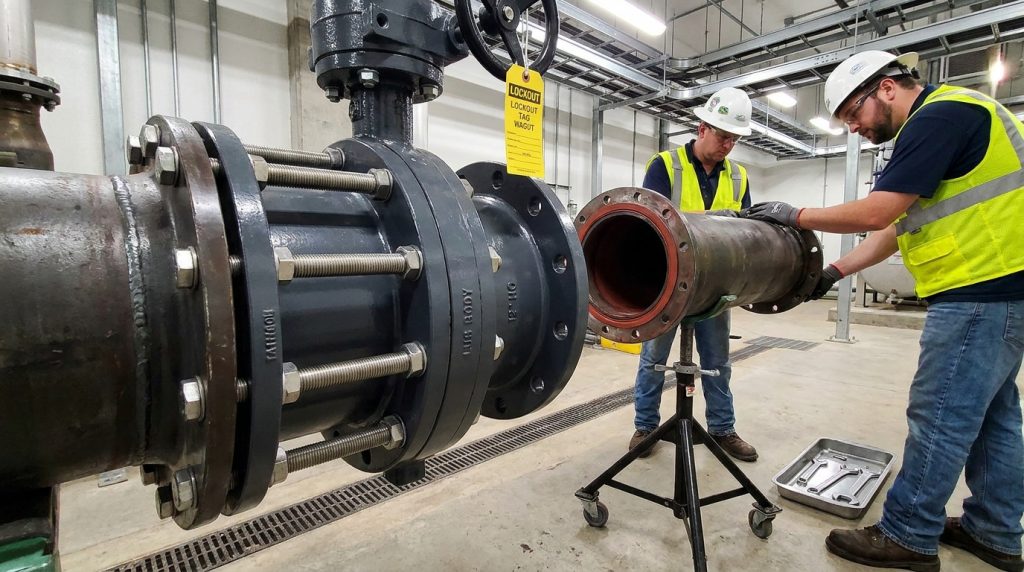
A lug body also makes sense when the valve will be installed in a position where flange alignment is not easy to maintain. The lugs help locate the body, but they do not correct bad pipe fit-up, flange face damage, or incorrect gasket compression.
Do You Need One-Side Pipe Removal
If you need one-side pipe removal, specify the valve as lug style and ask for the dead-end service rating in writing. The rating should state whether it applies upstream, downstream, bidirectionally, or only under a reduced pressure condition.
This is where a detailed lug-style butterfly valve installation review can prevent a costly mistake. You are not only buying a body shape; you are confirming whether the valve can safely hold pressure in the exact maintenance condition you expect.
Is Flange Alignment Hard to Guarantee
If flange alignment is uncertain, lug construction may provide a more stable installation than wafer construction, but it is not a cure for pipe stress. The disc still needs clearance, the seat still needs even compression, and the flange faces still need to be parallel.
Misalignment can pinch the seat, increase torque, damage the liner, or leave the disc rubbing against the pipe bore. For a resilient-seated butterfly valve, even a small alignment error can show up later as leakage or stiff operation.
When Wafer Is the Better Choice
A wafer valve is the better choice when the valve will always remain between two flanges and you do not need downstream pipe removal under pressure. For many water, HVAC, utility, and low-to-moderate pressure isolation duties, wafer construction is simpler, lighter, and easier to handle.
You should still treat wafer valves as engineered components, not generic spacers. Flange standard, pressure class, seat material, disc clearance, and actuator torque all need checking, especially if you are comparing a wafer vs lug style butterfly valve for the same line.
Wafer is usually not the best answer when you expect frequent disassembly, dead-end isolation, heavy vibration, or poor flange alignment. In those cases, the lower initial cost can disappear quickly if leakage, bolt fatigue, or maintenance delays follow.
Pressure, Temperature, and Standards That Matter
Pressure and temperature limits decide whether a lug body butterfly valve is merely convenient or actually suitable for the service. The body style alone does not define the valve rating; the governing standard, flange class, seat material, disc material, shaft design, and test requirement must all line up.
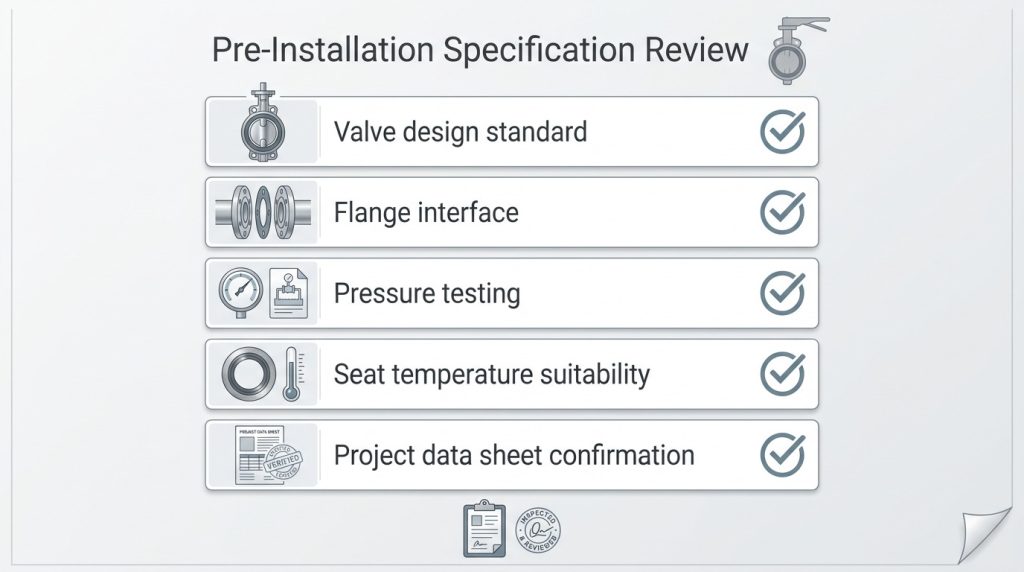
Use standards as boundary markers. They do not replace the valve data sheet, but they tell you which dimensions, test pressures, and flange interfaces should be checked before the valve reaches site.
| Item to Confirm | Standard Basis | Decision Value |
|---|---|---|
| Butterfly valve design | API 609, 10th Edition, 2026 | Covers double-flanged, lug, wafer, and butt-welding butterfly valves |
| ASME flange interface | ASME B16.5-2025 | Covers NPS 1/2 through NPS 24; Classes 150, 300, 400, 600, 900, 1500, and Class 2500 through NPS 12 |
| Large ASME flanges | ASME B16.47-2025 | Covers NPS 26 through NPS 60; Classes 75, 150, 300, 400, 600, and 900 |
| Valve pressure testing | API 598, 11th Edition, 2023 | Low-pressure closure test is 5.5 ± 1.5 bar, or 80 ± 20 psig |
| European PN systems | EN 593 and EN 1092-1 | Confirm PN rating, flange drilling, and face-to-face pattern before mixing with ASME systems |
These values help you avoid a common specification error: ordering a correct valve type with the wrong flange pattern. ASME Class 150 and EN PN16 may look similar in a discussion, but bolt circles, flange faces, and project standards must be verified from the drawing.
Which Standards Define the Boundary
API 609 is the usual design reference for many industrial butterfly valves, while API 598 is often used for inspection and pressure testing. ASME B16.5 and ASME B16.47 govern flange dimensions and pressure-temperature ratings for ASME flange systems.
For European projects, EN 593 and EN 1092-1 may be more relevant. Do not mix standard families by name alone; confirm DN or NPS size, PN or Class rating, flange facing, bolt hole pattern, and gasket seating surface.
How Seat Limits Change the Answer
Seat material can change the decision as much as body style. Typical catalog starting ranges often place EPDM or NBR soft seats around -10°C to +120°C for water and HVAC service, PTFE seats around -30°C to +200°C for more aggressive media, and metal seats up to about 550°C in suitable high-performance designs.
Those ranges are not universal ratings. They depend on pressure, medium, velocity, cycling, compound grade, and valve construction, so the final limit must come from the valve data sheet or project drawing.
Fit, Bolts, and Dead-End Service Need Separate Checks
Fit, bolts, and dead-end service must be checked separately because one correct item does not prove the other two are correct. A lug body may match the valve size, yet still fail the job if the bolts bottom out, the flange standard is wrong, or the dead-end rating is not approved.
For project-related values, do not rely on “standard bolt length” as a shortcut. Bolt length changes with valve thickness, flange thickness, washer use, gasket thickness, raised-face or flat-face flanges, and whether cap screws or studs are specified.
How Do I Treat Bolt Length
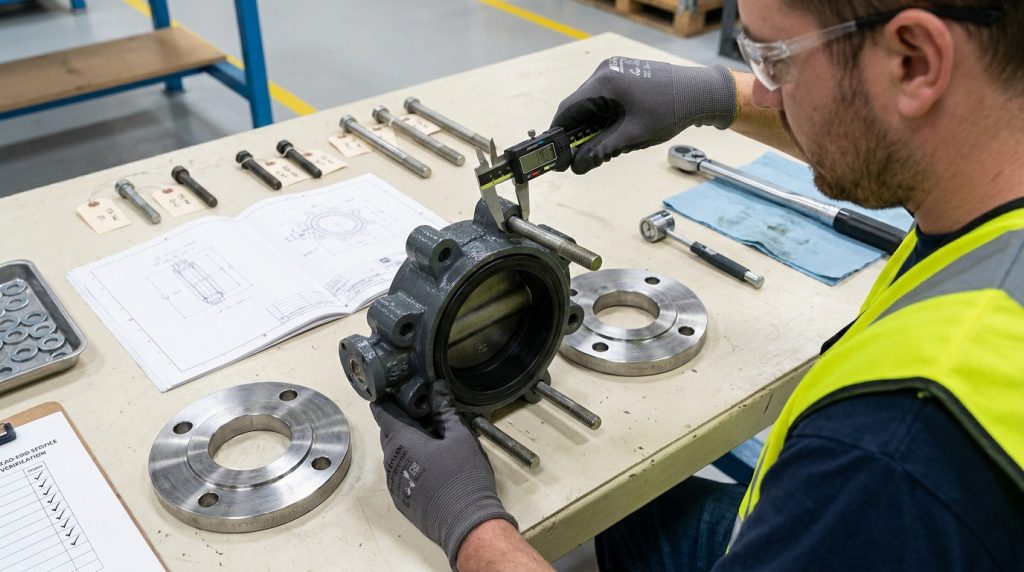
Treat bolt length as a drawing-controlled item, not a guess from nominal pipe size. The bolt must give enough thread engagement without bottoming in the lug hole, and it must not interfere with the disc, shaft area, or opposite flange.
A verified lug butterfly valve bolt chart is useful when the project team is checking NPS, flange class, and body thickness before purchase. Final confirmation should still come from the valve drawing and the flange standard used on the line.
What Should You Check Before Dead-End Use
Before dead-end use, confirm the valve is rated for that duty at the required pressure, temperature, and direction. Also confirm whether a downstream flange, blind flange, or special installation condition is required.
Check these items before approving the valve:
- Dead-end pressure rating and flow direction
- Full-pressure or reduced-pressure condition
- Required upstream and downstream flange support
- Bolt grade, length, and engagement
- Seat material and temperature limit
- Operator locking or actuation requirements
- Test standard and leakage acceptance requirement
This is not just paperwork. In a real shutdown, these details decide whether the valve is a safe isolation point or only an inline shutoff component.
Materials and Applications That Fit Lug Body Valves
Lug body valves fit best in services where maintenance access, compact quarter-turn operation, and moderate pressure drop are more important than precise throttling control. Common uses include water treatment, cooling water, fire water support lines, utility lines, chemical transfer, marine piping, and general process isolation.
Material choice should follow the medium first. Ductile iron bodies with coated discs are common in water service; stainless steel discs and shafts are often preferred where corrosion risk is higher; PTFE or other fluoropolymer seats may be needed for chemical compatibility.
For abrasive slurry, high solids, steam, high temperature, or severe throttling, a standard soft-seated concentric lug butterfly valve may not be the best fit. You may need a double-offset, triple-offset, metal-seated, or different valve type depending on pressure, temperature, leakage class, and cycling frequency.
Specification Details to Confirm Before Ordering
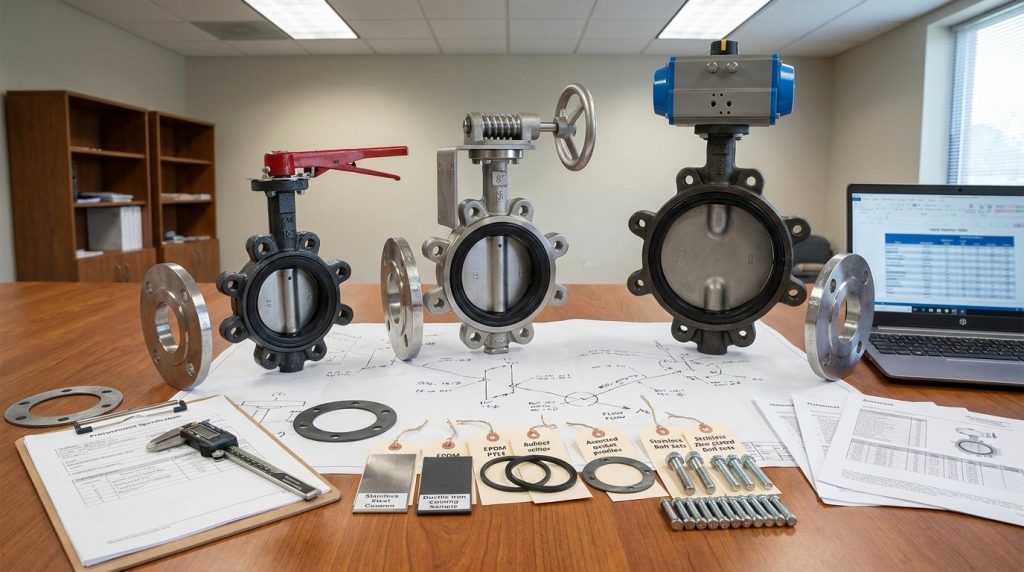
Before ordering, confirm the lug body valve as a complete piping component, not just a valve name. From a valve manufacturer’s perspective, the most useful inquiry includes the service conditions and the mechanical interface in one place.
Include these details in the specification:
- Valve size: DN or NPS
- Flange standard: ASME B16.5, ASME B16.47, EN 1092-1, JIS, or other
- Pressure class or PN rating
- Required dead-end service condition
- Body, disc, shaft, and seat materials
- Medium, temperature, and normal operating pressure
- Maximum differential pressure across the disc
- Manual lever, gearbox, pneumatic actuator, or electric actuator
- Test standard, such as API 598 or EN 12266-1
- Face-to-face requirement and bolt material
- Drawing or pipeline layout if one side may be removed
This checklist keeps the discussion focused on fit and risk. It also prevents a common mismatch: selecting lug style for maintenance access but forgetting to specify the dead-end rating, bolt arrangement, or seat material.
Conclusion
A lug body butterfly valve is the better fit when you need independent flange bolting, safer maintenance access, or verified dead-end service. A wafer valve is usually better when the valve stays permanently clamped between two flanges and the project favors lower cost, lower weight, and compact installation.
If you are confirming a lug or wafer butterfly valve for a real project, share the medium, pressure, temperature, flange standard, size, material preference, and dead-end requirement through contact us. We can review the conditions with you and discuss a suitable valve configuration without turning a basic body-style question into guesswork.
FAQ
Can I use a lug body butterfly valve as a dead-end valve?
Yes, but only if the valve is specifically rated for dead-end service under your pressure, temperature, and flow-direction condition. Lug construction makes one-side bolting possible, but the data sheet must confirm whether the valve can hold full pressure, reduced pressure, or pressure from only one direction.
What’s the best choice for a standard water line, lug or wafer?
Wafer is often the best choice for a simple water line that will always remain between two flanges. Choose lug if the line includes equipment that may be removed later, or if maintenance access makes independent bolting more valuable than the lower cost of a wafer valve.
How do I know if my flange pattern fits a lug body valve?
You know by matching the valve drawing to the flange standard, size, class or PN rating, bolt circle, bolt hole count, flange face, and face-to-face dimension. Do not assume ASME, EN, JIS, and other flange systems are interchangeable just because the nominal size looks similar.
Can I replace a wafer valve with a lug body valve?
Sometimes yes, but the replacement is not automatic. You must confirm face-to-face dimension, disc clearance, bolt lengths, flange spacing, actuator space, pressure rating, and whether the existing piping can accept the different body and bolting arrangement.
What’s the best seat material for a lug body butterfly valve?
The best seat material is the one that matches the medium, temperature, pressure, and cycling condition. EPDM or NBR may suit many water and utility services, PTFE may be better for chemical compatibility, and metal seats may be needed where soft-seat temperature or wear limits are exceeded.