
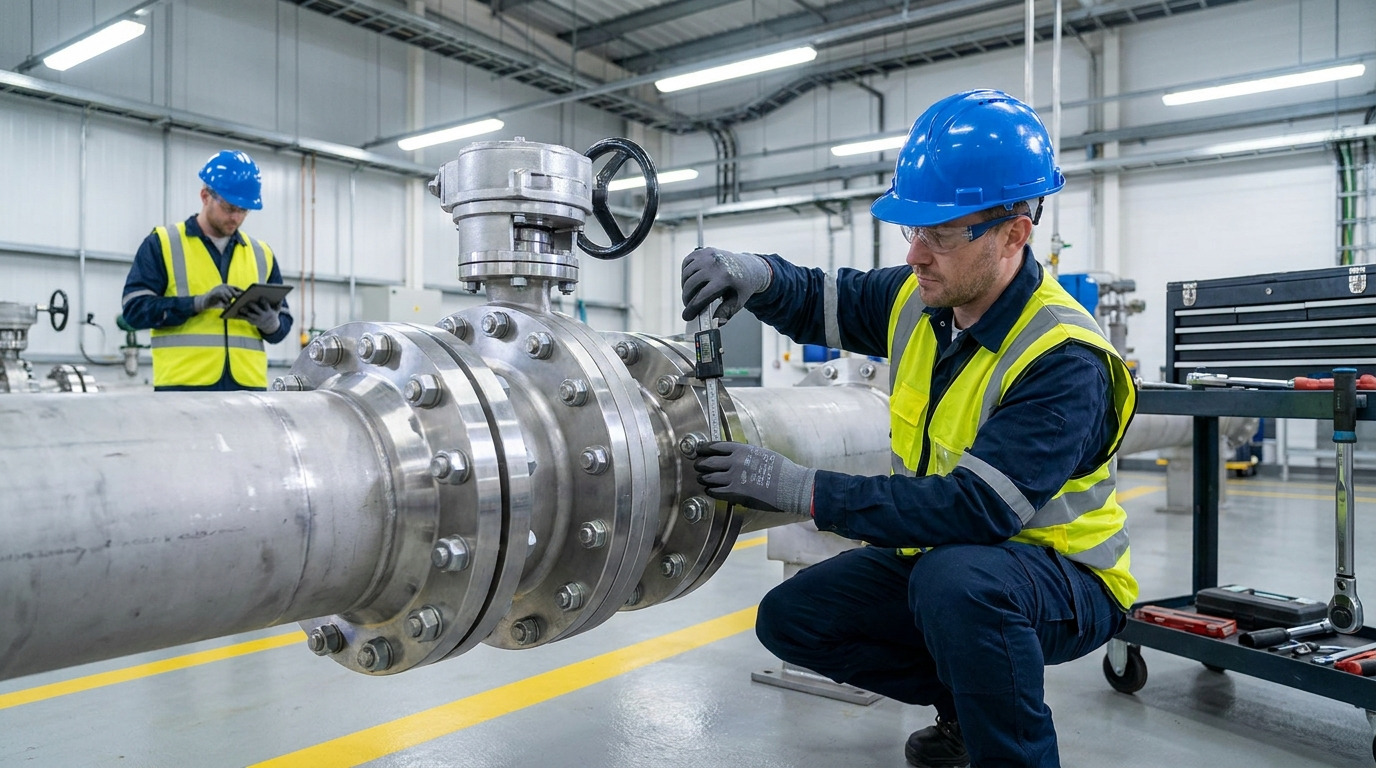
A butterfly valve bolt chart specifies exact dimensions required for proper pipeline installation. Picture a technician struggling against a leaking pipe joint during an urgent factory turnaround. Fluid continues spilling across factory floors. Pressure drops completely ruin expensive process batches. System failures cause immediate panic. Correctly matching your 4 butterfly valve bolt size prevents these catastrophic leaks entirely. Proper specifications guarantee tight seals. Your maintenance team saves countless hours using accurate measurement data.
Why does 4 butterfly valve bolt size matter?
Proper dimensions dictate joint integrity. Every 4 butterfly valve bolt size provides foundational support for industrial piping. Loose fittings create immediate hazards. Your entire facility relies on accurate measurements.
Does poor bolting cause leaks?
Here is the deal, incorrect hardware always compromises system seals. Fluid escapes rapidly under high pressure. Workers face significant physical dangers. Production lines stop unexpectedly.
Substandard parts never withstand operational stress. You need reliable components daily. Think about it, minor miscalculations cost thousands in repair bills. Accuracy prevents unwanted downtime.
- Incorrect threading causes joint instability.
- Short hardware limits compression force.
- Weak metals fracture under mechanical stress.
How do accurate sizes help?
You might be wondering, how exactly do proper parts help? Precise measurements create uniform compression. Flanges align perfectly without gaps. This uniformity stops fluid bypass.
Regular inspections keep operations running smoothly. Workers must verify hardware conditions weekly. Let that sink in, proactive maintenance prevents most catastrophic failures.
Key Takeaway: Correct specifications protect personnel and save money.
Safety Impact Table
| Factor | Bad Consequence | Good Outcome |
|---|---|---|
| Tension | Flange warping | Uniform seal |
| Length | Thread stripping | Secure hold |
| Material | Rapid corrosion | Long lifespan |
This table outlines specific hardware choices affecting overall pipeline safety.
What is the 4 butterfly valve bolt size chart?
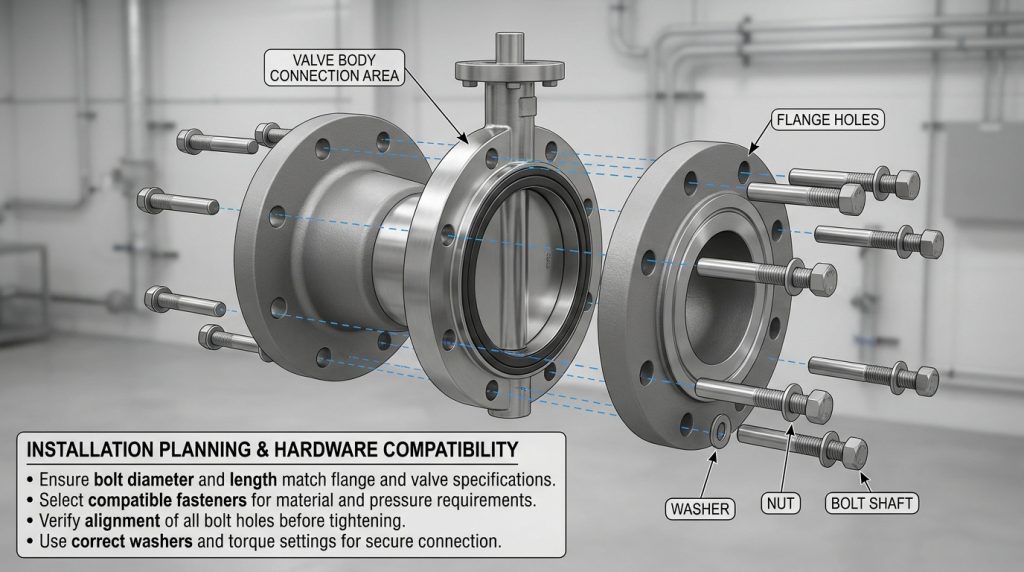
A standard reference chart maps out specific dimensions. Every 4 butterfly valve bolt size requires exact matching criteria. Engineers rely heavily on these guidelines. You cannot guess these measurements safely.
Are ANSI specifications clear?
Truth be told, American standards outline rigid requirements. Industries follow these norms strictly. Matching parts becomes a simple task. Workers just read the documentation.
Ignoring guidelines creates massive technical problems. You risk severe operational hazards. Ready for the good part?, utilizing standard charts eliminates guesswork completely. Accuracy becomes guaranteed immediately.
- Class 150 requires specific lengths.
- Class 300 demands thicker diameters.
- Different norms have unique threads.
How do flanges match up?
What is the real story?, aligned faces require precise clamping forces. Gaskets sit tightly between metal surfaces. Mismatched components ruin this delicate balance. Perfect harmony requires exact matching.
Proper alignment makes installation incredibly fast. Technicians finish their jobs quickly. Listen closely, standard charts make daily operations much smoother. Your team works better together.
Key Takeaway: Standardized charts eliminate guesswork and guarantee perfect alignment.
Flange Matching Table
| Standard | Flange Type | Clamping Force |
|---|---|---|
| ANSI 150 | Raised Face | Moderate |
| ANSI 300 | Ring Joint | High |
| DIN PN16 | Flat Face | Low |
This table shows how different standards require specific clamping forces.
How to read 4 butterfly valve bolt size wafer data?
Reading wafer specifications requires careful attention. Understanding a 4 butterfly valve bolt size means checking total span length. Wafer designs sit uniquely between pipes. Clamping relies entirely on long hardware.
What defines correct length?
Here is the kicker, hardware must span two opposing flanges completely. Short items simply cannot reach across. Threads need adequate engagement space. You must measure the entire gap.
Precision matters heavily in wafer setups. A tiny error ruins everything. Believe it or not, measuring twice saves massive headaches later. Your installation becomes truly secure.
- Hardware spans the entire body.
- Nuts require extra thread space.
- Washers add slight thickness requirements.
Do you need spacer sleeves?
You might be asking, why use extra metal pieces? Spacers prevent mechanics from crushing delicate components. Over-tightening damages fragile internal parts easily. Protection requires physical stopping mechanisms.
Sleeves guide clamping forces accurately. You gain better control over tension. Get this, using sleeves extends component lifespan dramatically. Your investment lasts much longer.
Key Takeaway: Accurate length measurements and protective sleeves prevent mechanical damage.
Wafer Sizing Table
| Rating | Span Length | Sleeve Needed |
|---|---|---|
| Class 150 | Medium | No |
| Class 300 | Long | Yes |
| Class 600 | Extra Long | Yes |
This table details the necessary configurations for different pressure ratings.
What material fits a 4 butterfly valve bolt size?
Selecting proper metal compounds guarantees longevity. Matching materials for a 4 butterfly valve bolt size requires chemical analysis. Different fluids destroy weak metals quickly. You must choose durable alloys carefully.
When should you use steel?
Look at this, stainless alloys resist severe corrosion naturally. Chemical plants require these specialized compounds. Rust destroys regular metal rapidly. You need maximum environmental resistance.
Food processing demands clean surface components. Stainless options provide perfect hygiene. Make no mistake, choosing high-grade alloys protects your product purity. Quality remains high consistently.
- Grade 304 handles basic moisture.
- Grade 316 resists harsh chemicals.
- Stainless offers moderate tensile strength.
Does heat require carbon alloys?
Here is a secret, extreme temperatures melt weak metals easily. Carbon blends withstand intense thermal stress. Refineries use these strong materials daily. You need serious heat resistance.
High-pressure steam pipes demand carbon strength. Tension remains stable despite heat. Truthfully speaking, carbon hardware provides unmatched structural integrity. Your heavy systems stay completely safe.
Key Takeaway: Matching metal compounds with environmental conditions guarantees long-term durability.
Material Selection Table
| Metal Type | Best Environment | Cost |
|---|---|---|
| Grade 304 | Mild moisture | Low |
| Grade 316 | Harsh chemicals | High |
| Carbon | High temperature | Medium |
This table compares metal types against their ideal operating environments.
How to find a 4 butterfly valve bolt size maker?
Partnering with skilled producers ensures quality. Finding a reliable 4 butterfly valve bolt size manufacturer requires diligent research. Shady suppliers provide weak components constantly. You must verify their production capabilities.
Do they have right certifications?
Pay close attention, global standards dictate minimum quality levels. Factories must hold proper international paperwork. ISO rules guarantee consistent manufacturing processes. You deserve proven reliability always.
Audits reveal true production quality fast. Inspectors check every single step. Keep reading, certified makers never hide their testing results. Transparency builds strong business trust.
- ISO 9001 guarantees process control.
- API 609 ensures specific industry norms.
- Material reports prove alloy authenticity.
Can they offer custom charts?
Check this out, standard dimensions cannot fit every unique situation. Specialized projects require bespoke measurement tables. Good producers adapt their data quickly. You get exactly what you need.
Customization solves weird engineering problems perfectly. Your specific design becomes totally possible. Here is the bottom line, flexible manufacturers make your job easier. They support your creative solutions.
Key Takeaway: Reliable producers possess international certifications and offer custom engineering solutions.
Manufacturer Criteria Table
| Criteria | Importance | Verification Method |
|---|---|---|
| ISO 9001 | High | Certificate check |
| API 609 | High | Audit report |
| Custom Specs | Medium | Past projects |
This table lists fundamental criteria for evaluating potential industrial suppliers.
What torque suits your 4 butterfly valve bolt size?
Applying correct twisting force creates tight seals. Finding the proper torque for a 4 butterfly valve bolt size prevents leaks. Mechanics use specialized tools for accuracy. You must follow strict tension guidelines.
How do mechanics apply torque?
It is a fact, calibrated wrenches provide exact force measurements. Workers turn nuts until a click sounds. Guesswork leads directly toward complete failure. Precision tools remain absolutely mandatory.
Star patterns distribute tension evenly across faces. You tighten opposite sides consecutively. Make a note, systematic tightening prevents uneven gasket compression. Your joint becomes totally secure.
- Wrenches require annual calibration checks.
- Star patterns distribute forces evenly.
- Lubrication affects total tension applied.
Does over-tightening cause damage?
Watch out, excessive force crushes soft internal seals easily. Metal components warp under extreme pressure. Broken hardware shoots across rooms dangerously. Moderation keeps everything functioning normally.
Tension limits exist for a reason. You must respect material boundaries constantly. You see, proper force guarantees both safety and longevity. Your system avoids unnecessary mechanical stress.
Key Takeaway: Systematic tension application using calibrated tools prevents mechanical damage.
Torque Application Table
| Tool Type | Accuracy | Best Use Case |
|---|---|---|
| Manual Wrench | Low | Emergency only |
| Click Wrench | High | Routine work |
| Hydraulic | Very High | Heavy duty |
This table highlights different tightening tools and their accuracy levels.
How does pressure alter 4 butterfly valve bolt size?
System ratings dictate hardware thickness directly. A higher pressure requires a stronger 4 butterfly valve bolt size for stability. Weak parts snap under heavy loads. You must calculate operational stresses accurately.
Do high pressures need lengths?
Think about this, extreme forces try blowing flanges apart constantly. Thicker diameters provide necessary holding power. Lengths increase as flange sizes grow. Physics demands stronger metal connections.
Engineers design heavy systems very carefully. Safety factors multiply baseline requirements significantly. Understand this, over-engineering prevents disastrous industrial accidents completely. Your workers remain perfectly safe.
- Class 150 uses standard lengths.
- Class 600 requires massive hardware.
- High pressure demands thicker metal.
How class ratings dictate size?
Here is the truth, industrial classifications simplify complex engineering math. A rating gives specific dimension requirements immediately. Standardization removes confusing calculation errors entirely. You just look up numbers.
Upgrading systems means replacing all hardware. Old parts cannot handle new stresses. Take note, matching class ratings guarantees structural integrity flawlessly. Your pipeline handles maximum fluid loads.
Key Takeaway: High-pressure applications require thicker and longer hardware for safety.
Pressure Rating Table
| Class Rating | Hardware Size | Stress Level |
|---|---|---|
| Class 150 | Standard | Low |
| Class 300 | Medium | Moderate |
| Class 600 | Massive | Extreme |
This table demonstrates how class ratings affect required hardware dimensions.
What happens with a wrong 4 butterfly valve bolt size?
Errors create immediate and dangerous consequences. Using a wrong 4 butterfly valve bolt size ruins entire installations. Metal snaps unexpectedly under normal conditions. You face massive repair bills constantly.
Can incorrect sizes break flanges?
Without a doubt, short threads strip out under minimal tension. Metal faces warp due to uneven clamping. Cracks propagate through expensive cast iron bodies. Mistakes cost thousands in damages.
Vibration shakes loose incorrect hardware rapidly. Your pipeline shakes itself apart slowly. Seriously, mismatched parts create ticking time bombs indoors. Proper matching averts these hidden dangers.
- Loose nuts cause rapid fluid loss.
- Warped faces require complete replacement.
- Broken threads damage expensive tapped holes.
How do teams stop blowouts?
As a matter of fact, preventative checks catch errors before disaster strikes. Quality assurance teams verify every component installed. Supervisors measure parts during assembly phases. Diligence stops catastrophic events early.
Immediate replacement saves compromised joint sections. You fix errors during planned downtime. The reality is, catching mistakes early saves human lives. Your facility operates without sudden explosions.
Key Takeaway: Strict verification processes prevent catastrophic mechanical failures and blowouts.
Failure Consequence Table
| Error Type | Immediate Result | Long Term Cost |
|---|---|---|
| Too Short | Thread stripping | High |
| Too Thin | Metal snapping | Very High |
| Wrong Alloy | Rapid rust | Moderate |
This table illustrates the costly consequences of incorrect hardware selection.
How often to inspect a 4 butterfly valve bolt size?
Regular checking prevents unexpected system failures. Monitoring your 4 butterfly valve bolt size requires a scheduled maintenance plan. Rust eats away metal silently overnight. You must spot degradation signs early.
What signs indicate metal fatigue?
Look closely, stretched threads show visible spacing distortion immediately. Rust deposits indicate severe chemical attacks. Bending means excessive shear forces exist. Visual clues warn mechanics clearly.
Ultrasonic testing reveals hidden internal cracks. Advanced tools see through solid metal. What is more, modern diagnostics predict failures accurately beforehand. Your maintenance becomes truly proactive now.
- Rust flakes indicate surface degradation.
- Thread stretching shows tension loss.
- Bent shafts mean alignment problems.
Does a routine schedule help?
It goes without saying, calendars keep maintenance tasks totally organized. Monthly visual checks catch obvious surface problems. Annual shutdown periods allow deep inspections. Consistency breeds operational reliability always.
Skipping checks invites random mechanical breakdowns. You lose money during unplanned stops. Keep in mind, disciplined schedules produce maximum facility uptime. Your factory meets production goals consistently.
Key Takeaway: Scheduled inspections and modern diagnostics prevent unexpected mechanical breakdowns.
Inspection Schedule Table
| Frequency | Action Required | Tool Used |
|---|---|---|
| Monthly | Visual check | Flashlight |
| Biannually | Tension test | Torque wrench |
| Annually | Deep scan | Ultrasonic device |
This table provides a standard schedule for maintaining pipeline hardware integrity.
Can you reuse a 4 butterfly valve bolt size?
Recycling old parts seems like saving money. Reusing a 4 butterfly valve bolt size actually introduces severe risks. Metal loses strength after initial tightening. You gamble with system integrity needlessly.
Does thread wear affect sealing?
Think twice, stretched threads cannot hold tension properly anymore. Nuts slip under high fluid pressures. Gaskets lose compression slowly over time. Leaks develop seemingly without any reason.
Microscopic cracks grow during second installations. Metal fatigue remains invisible to naked eyes. Truth be told, old parts fail exactly when stressed maximally. Your pipeline deserves fresh strong components.
- Stretched threads cause loose fittings.
- Worn heads strip during tightening.
- Old alloys suffer internal fatigue.
Why new hardware guarantees safety?
Here is the reality, fresh metal provides maximum original tensile strength. Factory tolerances remain absolutely perfect upon delivery. You install parts with complete total confidence. Peace of mind costs very little.
Insurance companies prefer strict replacement policies. Auditors check maintenance logs for compliance. At the end of the day, new parts form the cheapest insurance policy. Your entire operation runs without worry.
Key Takeaway: Installing fresh hardware eliminates invisible metal fatigue and guarantees safety.
Hardware Lifespan Table
| Component State | Tensile Strength | Failure Risk |
|---|---|---|
| Brand New | 100% | Very Low |
| Used Once | 75% | Moderate |
| Used Twice | 40% | Extremely High |
This table highlights the dramatic loss of strength in reused hardware.
FAQs About Butterfly Valve Bolt Charts
Q1: Can I reuse hardware during maintenance? No. Reusing bolts creates severe risks because metal threads stretch permanently after initial tensioning. This hidden fatigue compromises joint strength and leads directly to unexpected leaks under normal operating pressures.
Q2: What’s the best torque application method? Using a calibrated click torque wrench provides superior results consistently. This specialized tool guarantees precise force application while following a star-pattern sequence ensures gaskets compress evenly without damaging internal components.
Q3: How do I know if my parts match? You must consult standardized engineering charts immediately. These technical documents outline exact dimensional requirements based on your specific class rating, which removes dangerous guesswork from the entire installation process.
Q4: What’s the best material for chemical pipelines? Grade 316 stainless steel delivers outstanding protection. This specific alloy naturally resists severe chemical corrosion and harsh environmental conditions, ensuring your critical connections remain totally secure over many years.
Q5: Can I mix different flange standards? No. Different standards feature highly unique clamping forces and face alignments. Mismatching these components ruins delicate mechanical balances instantly, which creates severe alignment problems and guarantees operational failure eventually.
Final Thoughts
Understanding hardware specifications prevents catastrophic industrial pipeline failures completely. Proper documentation guides your maintenance team toward secure installations, while correct material selection guarantees long-term durability against harsh environments. We manufacture precision fluid control solutions tailored exactly for your demanding operational requirements. Reach out and contact us today to upgrade your facility with components built for unmatched reliability and performance.