
Compare butterfly valve JIS 10K manufacturers using the same service data, interface drawing, inspection plan, and document requirements. A supplier's product heading or factory photograph cannot establish that its proposed valve suits your installation. Ask each bidder to identify the offered configuration and all deviations before comparing the final price.
1. How do you compare butterfly valve JIS 10K manufacturers?
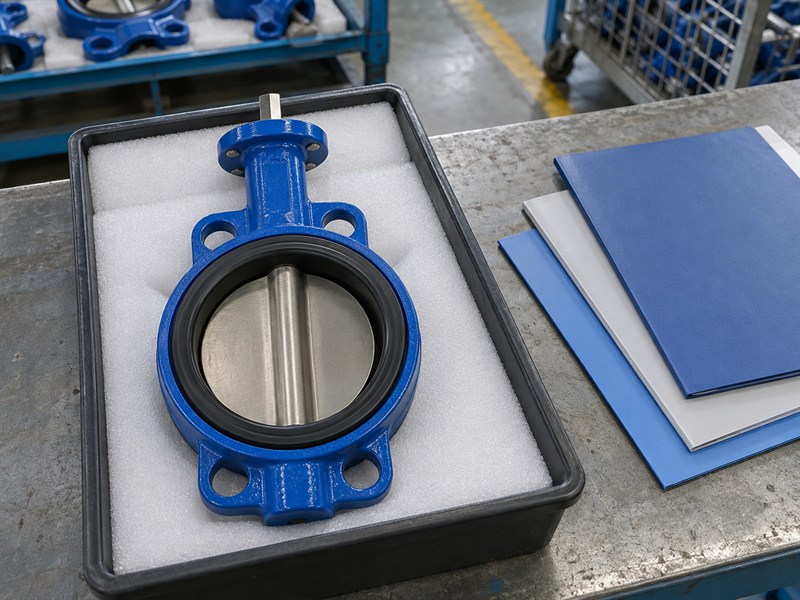
Compare butterfly valve JIS 10K manufacturers by establishing who is responsible for the supplied product. Identify the quoted manufacturer, production location, model, and party responsible for technical approval and inspection records. If the commercial supplier uses another factory or assembly partner, ask how that arrangement affects traceability, document control, and acceptance.
Then compare the same valve duty and delivery scope. A bare valve, a gear-operated assembly, and a fully automated package can appear under similar headings while including different work. Put the required accessories, spare parts, tests, and documents into the enquiry so the quotations cover comparable items.
What should a useful supplier response identify?
Require named technical contacts and a controlled product submission. Keep unresolved questions visible during evaluation instead of treating a quick commercial reply as technical acceptance.
| Supplier field | Evidence to request |
|---|---|
| Product responsibility | Manufacturer, model, and production arrangement |
| Technical scope | Configuration, duty, accessories, and exceptions |
| Acceptance responsibility | Inspection, records, release, and support contacts |
A supplier comparison should allow the purchaser to trace the quoted product through technical approval, manufacture, inspection, and delivery without losing its identity between those stages.
2. What must butterfly valve JIS 10K manufacturers prove?
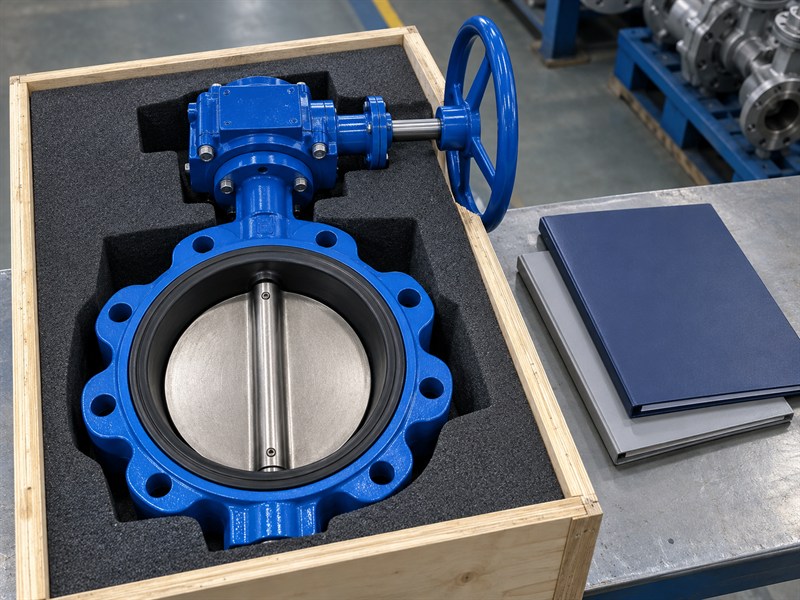
Ask butterfly valve JIS 10K manufacturers which JIS document, edition, size, construction, and interface apply to their offered valve. “JIS 10K” alone leaves the design route, material combination, and acceptance requirements incomplete. Require the flange requirement and valve-design claim to be stated separately.
The JSA listing for JIS B 2032:2024 concerns wafer-type rubber-seated butterfly valves for general facilities. Check the relevant scope for the selected construction and application. A catalogue listing covering several standards cannot establish that every configuration meets each listed requirement.
How should the purchaser handle exceptions?
Ask each supplier to return a requirement matrix and a separate deviation list. Resolve differences with the responsible engineer before approving production rather than leaving the factory to interpret conflicting requirements.
| Standards field | Required clarification |
|---|---|
| Design | Document number, edition, and applicable construction |
| Connection | Exact flange interface and designation |
| Evidence | Configuration-specific statement and supporting records |
RUITO should review a requested JIS arrangement against the proposed model and drawing. Do not infer universal JIS certification from the company's general product range or another completed order.
3. Can butterfly valve JIS 10K manufacturers assess the duty?
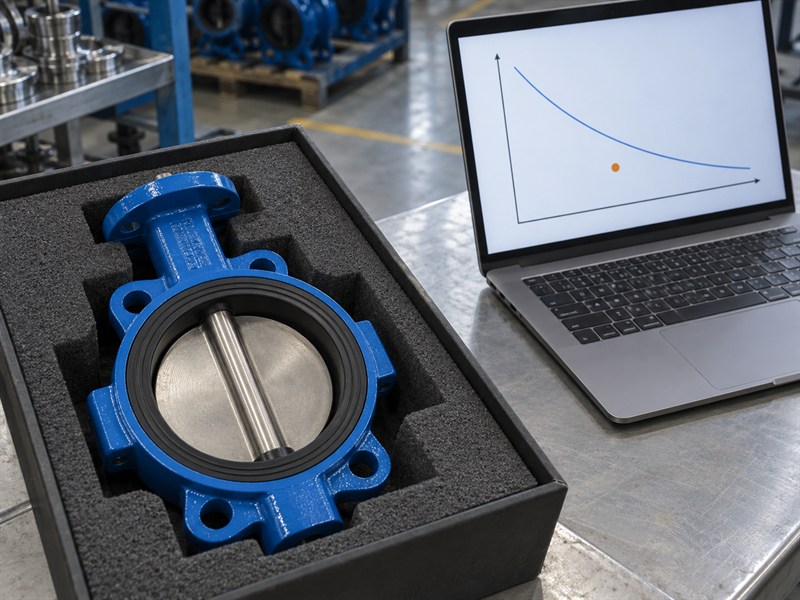
Give butterfly valve JIS 10K manufacturers the fluid composition, concentration, temperature range, operating pressure, closing differential, flow direction, and cycle duty. Include cleaning media, intermittent conditions, vacuum, and credible transients where they form part of the application.
Look for a response covering the complete material combination and operating envelope. The body rating, seat shutoff limit, and connection limit are separate checks. A pressure designation or test pressure cannot establish suitability for every temperature, differential, or fluid exposure.
What does a configuration-specific response look like?
It identifies the offered body, disc, shaft, seat, auxiliary seals, and their accepted service boundaries. The conceptual graph illustrates a service envelope without numerical values; obtain the manufacturer's actual limits for the proposed valve.
| Service input | Required supplier response |
|---|---|
| Fluid and exposure | Assessment of the complete wetted material list |
| Pressure and temperature | Approved operating limits |
| Shutoff and cycling | Differential, direction, torque, and duty basis |
RUITO's documented water, oil, and clean-gas configurations have separate boundaries. A supplier should explain the proposed configuration rather than promising that one seat option covers all of those services.
Identify which pressure and temperature conditions occur together. A quotation showing separate maximum figures can leave the combined duty unresolved. Give the supplier the normal, cleaning, startup, and upset conditions required by the project, then ask for a response covering those combinations for the offered materials and seat arrangement.
4. What drawings should butterfly valve JIS 10K manufacturers send?
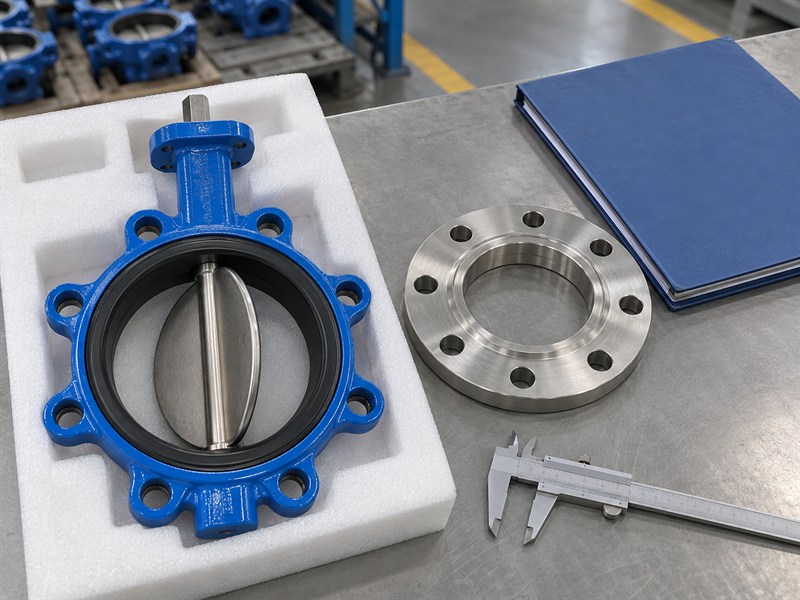
Request a drawing from butterfly valve JIS 10K manufacturers that defines the actual offered assembly. Check body length, flange drilling, facing, bore, disc sweep, mounting, operator orientation, and overall envelope. Review dimensions against the installation rather than accepting a statement that the valve is an equivalent replacement.
The drawing should have an identifiable model and revision. Compare it with the material list and quoted operator package. If a supplier sends a drawing for another body construction or an unspecified size, return it for correction before using it to approve the purchase.
Which interface questions should be closed first?
Use the wafer valve size checks and bolt-selection guide to organize the review. The supplier must confirm the actual connection, clear bore, fastening arrangement, and installation restrictions.
| Drawing item | Acceptance question |
|---|---|
| Piping interface | Will the approved connection and disc envelope fit? |
| Operator envelope | Can the assembly operate and be maintained? |
| Revision control | Does the drawing match the final offered configuration? |
Keep site-measured and drawing-derived values distinguishable. Mark inaccessible or uncertain features for verification instead of allowing a supplier to treat them as confirmed dimensions.
5. How do butterfly valve JIS 10K manufacturers control materials?
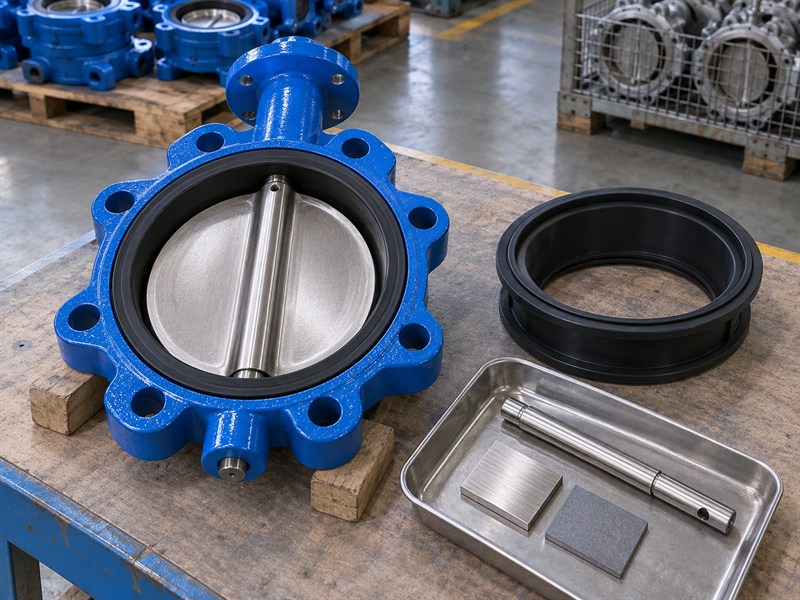
Ask butterfly valve JIS 10K manufacturers how they identify and control the specified body, disc, shaft, seat, and seal materials. Define the records and traceability level required for the order. A factory's ability to supply several grades does not prove which grade will enter your production batch.
Review how substitutions are approved. Seat compound, shaft grade, lining, coating, or auxiliary seal changes can affect service suitability and assembly. Require the supplier to identify a proposed change before manufacture or shipment, with the effect on the accepted configuration assessed.
Which records should accompany the material claim?
Request the order-required evidence, linked through the agreed product or batch references. Avoid asking for a generic certificate whose scope does not establish the supplied material combination.
| Material control | Evidence to review |
|---|---|
| Identification | Agreed component and batch references |
| Acceptance | Required material and coating records |
| Change control | Approved substitutes and revised documents |
For example, an accepted metallic-material record leaves the seat compound unresolved unless the seat has its own agreed identification. Review the complete bill of materials rather than allowing one strong document to cover unrelated components.
6. How do butterfly valve JIS 10K manufacturers inspect orders?
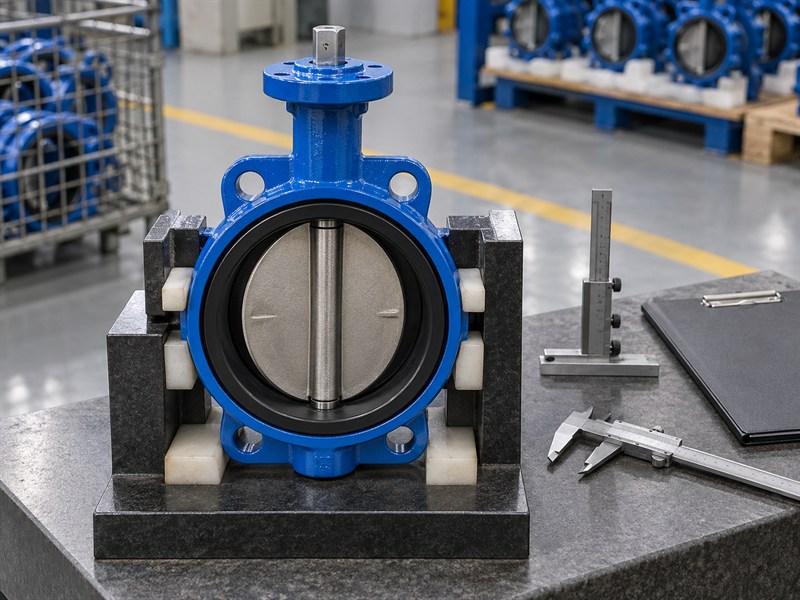
Ask butterfly valve JIS 10K manufacturers how they will control the features and tests required by the order. Discuss machining and dimensional inspection, assembly procedures, seat installation, pressure and leakage testing, operator checks, and final release. Identify any work performed by another production or test partner.
Request an inspection plan that names the applicable methods, conditions, criteria, records, and purchaser attendance points. A photograph of a test bench cannot establish that the proposed valve received the required test, under the required conditions, with an acceptable result.
What should a capability review produce?
It should produce an agreed acceptance route for your order. Record which checks apply to every valve, which use an approved sample, and how nonconforming results will be handled.
| Factory activity | Order-specific evidence |
|---|---|
| Dimensional inspection | Approved drawing, suitable method, and recorded results |
| Valve tests | Procedure, conditions, acceptance criteria, and identity |
| Release | Closed discrepancies and complete required records |
If the supplier proposes an alternative test route or inspection arrangement, review it explicitly. Keep the accepted deviation with the final inspection plan and purchasing documents.
Ask how the factory links reworked items with their final inspection records. If a valve fails a required check, the purchaser needs the approved disposition, correction, and reinspection evidence for that item. A clean final packing list should not erase the record of work that affected acceptance.
7. Can butterfly valve JIS 10K manufacturers supply operators?
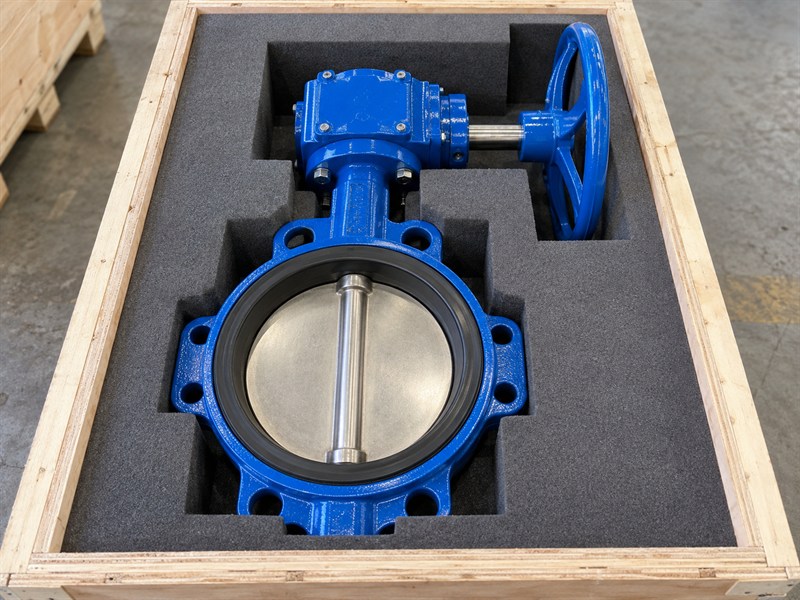
Tell butterfly valve JIS 10K manufacturers whether the order includes a lever, gearbox, pneumatic actuator, electric actuator, or another arrangement. Ask the supplier to identify the complete drive path, mounting, coupling, stops, indication, and accessories. Separate component catalogues leave the assembly interfaces unresolved.
For automation, require the valve torque data and operator output at limiting supply conditions. Define command signals, feedback, timing, and the required response to air loss and electrical power loss. Those events may need different checks for the selected control arrangement.
What evidence supports an actuator substitution?
Review the actuator sizing basis, mechanical capacity, drive engagement, and complete functional response. A familiar mounting pattern cannot establish that a replacement actuator suits the duty.
| Assembly field | Confirmation needed |
|---|---|
| Mechanical drive | Mounting, coupling, retention, and load capacity |
| Available output | Accepted supply range and torque comparison |
| Controls | Signals, feedback, failure response, and test conditions |
Retain the approved assembly drawing and settings. Maintenance staff need the actual delivered arrangement when ordering accessories, replacing an operator, or investigating incomplete travel.
8. How do butterfly valve JIS 10K manufacturers quote the scope?
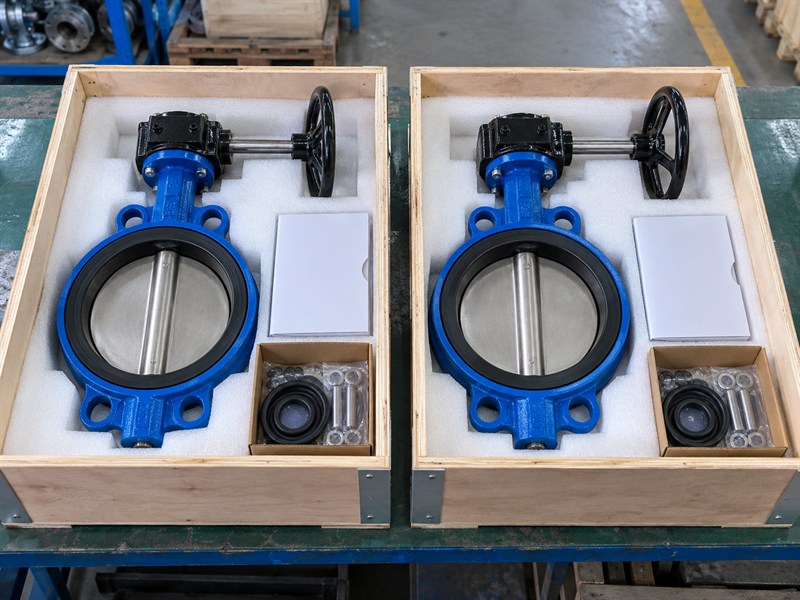
Compare quotations from butterfly valve JIS 10K manufacturers after aligning the technical scope. Identify the valve, operator, accessories, spare parts, inspection attendance, required records, packing, transport basis, and commercial delivery conditions. A lower quoted line price may cover a smaller delivery package.
Ask the supplier to distinguish drawing approval, material availability, manufacture, inspection, document completion, and shipment readiness in the proposed schedule. The required delivery date should reflect those stages and the purchaser's response obligations rather than a short unexplained lead-time promise.
Which costs and dates need written clarification?
Record inclusions, exclusions, required approvals, and any conditions that change the schedule or price. Keep commercial comparisons tied to the same accepted valve configuration.
| Commercial field | Comparison basis |
|---|---|
| Scope | Same complete assembly, records, inspection, and packing |
| Schedule | Defined approval, production, acceptance, and release stages |
| Support | Agreed spare parts, instructions, and response arrangements |
Avoid assigning a quality ranking from price or delivery speed alone. Use the technical and acceptance evidence to judge the offered product, then compare the commercial terms for that product.
Clarify whether purchaser review time and inspection attendance are included in the proposed schedule. Identify who must supply missing piping data and when it is required. An unresolved interface or delayed drawing approval can affect shipment readiness even when the factory has the basic valve components available.
9. How do butterfly valve JIS 10K manufacturers release an order?
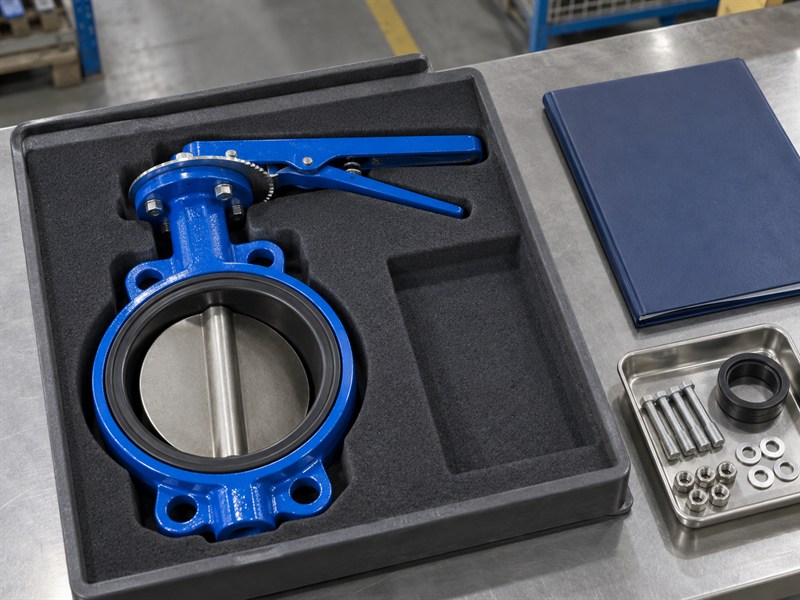
Close technical questions with butterfly valve JIS 10K manufacturers and freeze the accepted product definition before production release. Attach the approved drawing, material list, service data, operator requirements, inspection plan, document list, and deviations to the order. Identify the approval needed before controlled features can change.
Where a sample or first-article review is agreed, define what it must demonstrate and how it relates to subsequent production. A sample should have a recorded configuration and inspection result. Keep any changes between the sample and production batch visible and subject to the agreed review.
What information should a repeat order retain?
Retain the model, accepted revisions, materials, operator details, inspection route, and approved changes. A repeat commercial description alone can conceal a modified seat, operator, or interface.
| Release attachment | Purpose |
|---|---|
| Technical baseline | Defines the actual product and duty |
| Inspection and records | Defines the acceptance evidence |
| Change and repeat-order controls | Preserves the reviewed configuration |
Send the complete enquiry when you contact RUITO for a proposal. Ask for a marked technical response, a deviation list, and the proposed approval schedule before placing the order.
10. What do buyers ask butterfly valve JIS 10K manufacturers?
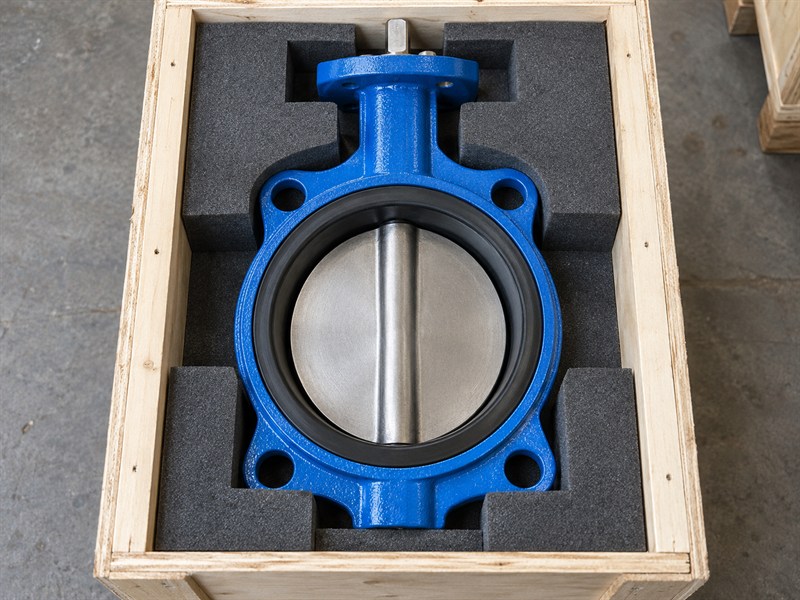
Q1: Does a factory photograph prove manufacturing capability?
No; assess butterfly valve JIS 10K manufacturers through product responsibility, required activities, and order-specific acceptance records.
Q2: Can I compare quotations using nominal size and price only?
No. Align construction, JIS interface, service limits, materials, operator, testing, documents, accessories, and delivery scope before comparing the final commercial offer.
Q3: Does one certificate cover every valve configuration?
Review its issuer, product identity, size and material scope, applicable requirements, and validity where relevant. Require evidence that supports the actual offered valve and the claims made for your order.
Q4: Should I request a sample before a larger order?
Use a sample or first-article review where the procurement plan requires it. Define its configuration, checks, acceptance criteria, and relationship to production so the result supports a clear decision.
Q5: What should I do if a supplier changes the proposed seat?
Request the revised material identity, service assessment, drawing or parts-list changes, and affected inspection requirements. Approve or reject the substitution through the agreed change process before accepting the modified valve.