
A centerline butterfly valve JIS enquiry needs two separate decisions: whether the concentric valve suits the process, and whether the offered JIS interface fits the piping. Confirm the seat, closing differential, flange details, and disc clearance together. A matching nominal size and an attractive price leave too much unresolved for a replacement order.
1. What does centerline butterfly valve JIS terminology cover?
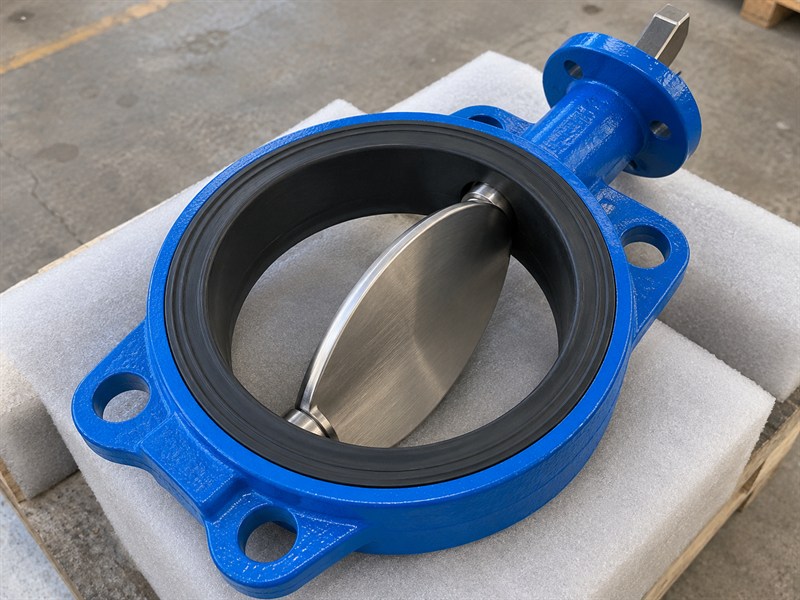
A centerline butterfly valve JIS enquiry commonly concerns a concentric valve whose shaft passes through the disc’s central axis. The offered seat construction and materials determine how that particular valve seals and what service it can accept. Identify the actual design rather than relying on a product name alone.
The word “centerline” can also appear in commercial product names. For a generic construction enquiry, state that you require a concentric design and provide the application data. Confirm the manufacturer and model separately so a construction description does not become an unintended brand or interchangeability claim.
Which identifiers should the quotation show?
Require enough information to distinguish the offered product from other valves in the supplier's range. Keep the design description, connection, and product identity in separate fields.
| Field | Information to record |
|---|---|
| Construction | Concentric design and body style |
| Connection | Exact JIS flange interface requested |
| Identity | Manufacturer, model, size, and drawing revision |
For a centerline butterfly valve JIS order, the approved drawing and service data must identify the configuration that the factory will manufacture.
2. Which centerline butterfly valve JIS seat details matter?
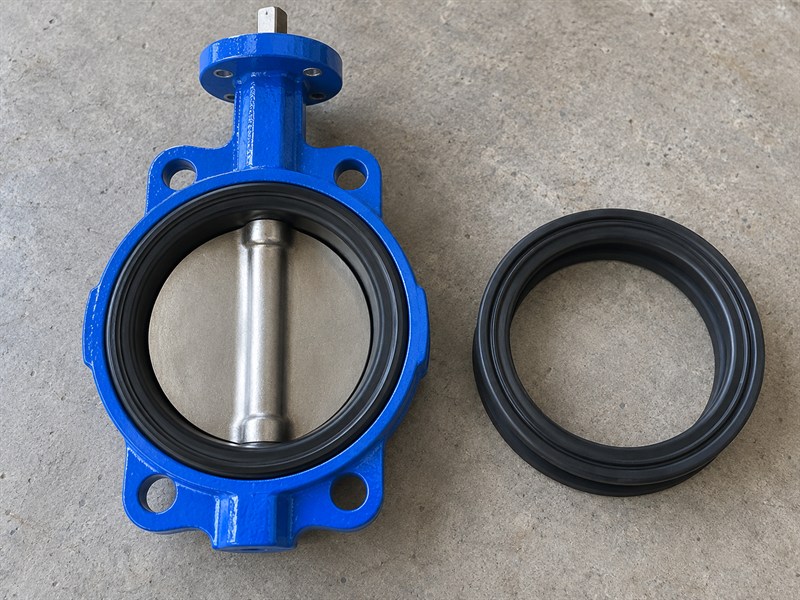
Review how the seat in the offered centerline butterfly valve JIS configuration is retained, supported, and sealed within the body. The seat can influence operating torque, leakage performance, installation requirements, and replacement work. A broad description such as “rubber seated” does not identify the compound or its permitted service conditions.
Confirm whether the seat is replaceable under the manufacturer's procedure and which components must be replaced together. A spare seat chosen only by nominal diameter may have a different profile, interference, or body retention arrangement. Obtain the correct part identity and the assembly instructions for the supplied valve.
Which seat details belong in the data sheet?
Ask for the material identity, service limits, retention arrangement, and any required flange-facing conditions. Include auxiliary seals in the material review rather than considering the main seat in isolation.
| Seat detail | Selection consequence |
|---|---|
| Compound and profile | Fluid suitability and approved fit |
| Retention arrangement | Assembly and maintenance procedure |
| Service limits | Permitted temperature and shutoff duty |
Keep the seat part number with the installed-valve record. That allows maintenance to order the intended replacement without guessing from the valve's external appearance.
Where spare seats will be stored on site, request the manufacturer's storage conditions and identification method. Keep them away from conditions the supplier prohibits, and retain their batch references. A spare part that has lost its packaging or identification needs review before the maintenance team treats it as equivalent to the installed seat.
3. What centerline butterfly valve JIS standards apply?
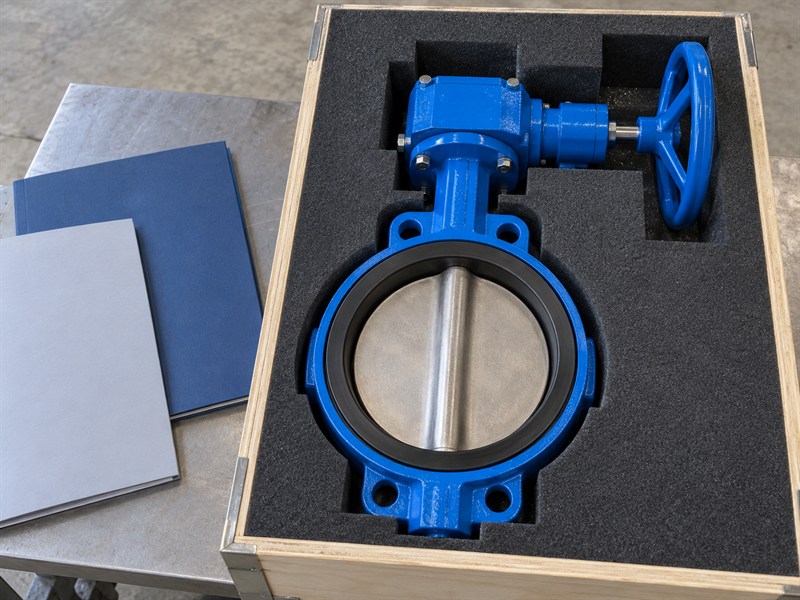
For a centerline butterfly valve JIS specification, state the valve design and mating flange requirements separately. A quotation that says only “JIS” cannot tell the inspector which construction, dimensions, or acceptance basis to check. Ask the supplier to identify the document number, edition, and offered scope.
The published scope of JIS B 2032:2024 concerns wafer-type rubber-seated butterfly valves for general facilities. Review the appropriate route for another body style or a special application. A concentric design description alone does not establish that a particular valve complies with that standard.
What evidence should accompany the claim?
Request a configuration-specific statement backed by the accepted drawing, material list, and inspection records. Define any additional project requirements and resolve exceptions before production.
| Requirement | Evidence to request |
|---|---|
| Valve design | Applicable standard, edition, and scope |
| Flange interface | Size-specific drawing and designation |
| Acceptance | Inspection plan and required records |
RUITO should confirm a requested JIS arrangement for the offered configuration. Do not extend a statement about one approved order to every size or material in a product range.
4. Which centerline butterfly valve JIS flange checks apply?
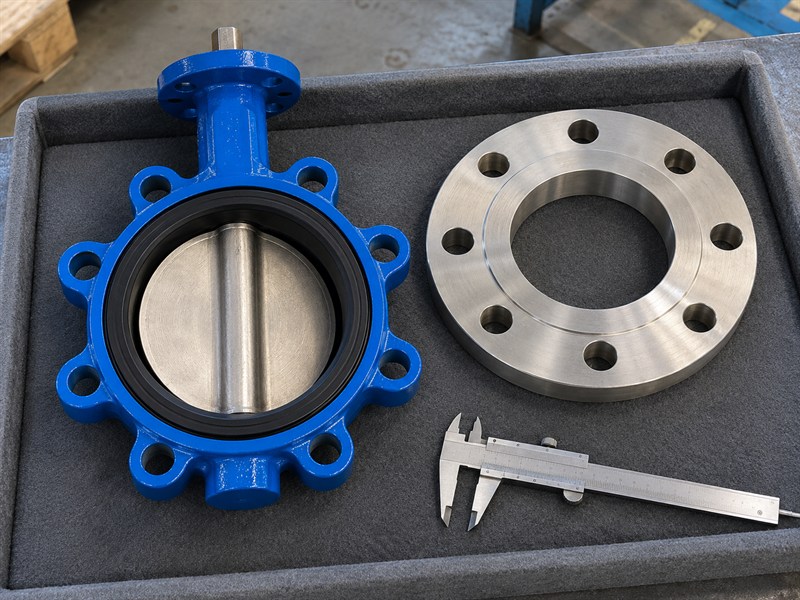
A centerline butterfly valve JIS interface review should cover the flange designation, hole count, bolt-circle diameter, hole diameter, facing, and clear bore. Then review fastener access around the valve body and operator. A centre-to-centre hole comparison cannot establish the whole connection's suitability.
Use the actual mating flange drawing, including any lining or internal weld geometry that reduces the available bore. The disc needs clearance through its required travel. If a nearby reducer or elbow intrudes into that space, the installation needs review before the valve is ordered.
How should an existing installation be checked?
Compare measured site conditions with approved drawings and the butterfly valve bolt guide. Identify uncertainty in field measurements instead of treating an inaccessible feature as confirmed.
| Interface feature | Confirmation needed |
|---|---|
| Drilling | Pattern and permitted fastener arrangement |
| Facing | Seat and gasket installation requirements |
| Clear bore | Unobstructed disc sweep at both ends |
Follow the manufacturer's instructions on gaskets and tightening. An extra gasket or excessive flange compression can change the assembly conditions for a resilient-seated valve.
Check the available straight-bolt path as well as the flange holes. Body ribs, gearbox brackets, nearby branches, or insulation can restrict insertion and tightening access. Include those obstructions in the installation survey and ask the supplier to confirm the proposed fastener arrangement before the valve arrives at site.
5. What centerline butterfly valve JIS service limits apply?
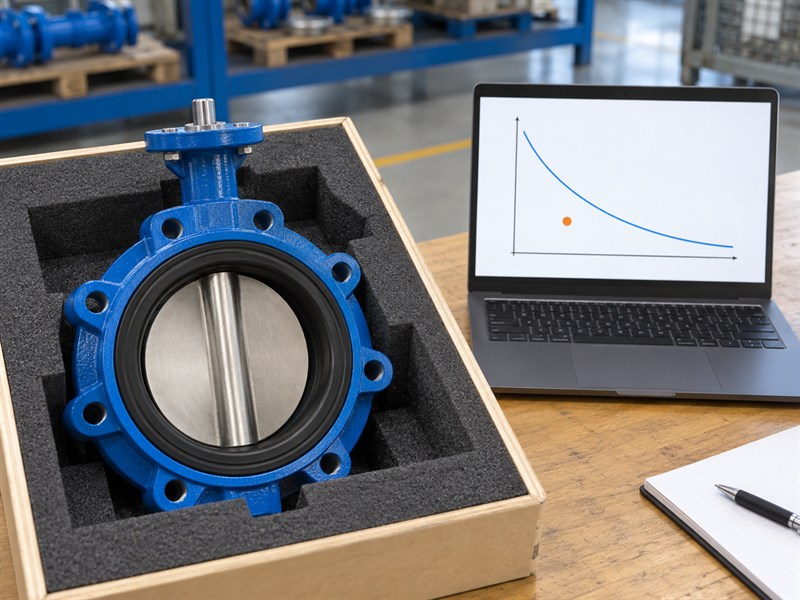
Give the supplier the fluid composition, temperature range, operating pressure, and closing differential for the centerline butterfly valve JIS service assessment. Include cleaning fluids, intermittent exposure, vacuum, or transient conditions where they form part of the duty. Those inputs define the assessment the supplier needs to perform.
The body pressure rating and permitted seat differential answer different questions. A valve can have a body suitable for the pipeline pressure while its shutoff arrangement has a lower or direction-dependent limit. Temperature and material compatibility can impose additional restrictions on the complete assembly.
What should an accepted service statement include?
Ask for limits covering the offered body, disc, shaft, seat, and auxiliary seals. RUITO's documented water, oil, and clean-gas configurations have separate material and duty boundaries.
| Duty field | Required response |
|---|---|
| Fluid and exposure | Suitability of all wetted components |
| Pressure and temperature | Approved operating envelope |
| Closing differential | Permitted shutoff duty and direction |
Do not apply an EPDM water configuration to oil or chemical service by changing only the purchase-order description. Obtain approval for the complete proposed material combination.
6. How do you select a centerline butterfly valve JIS operator?
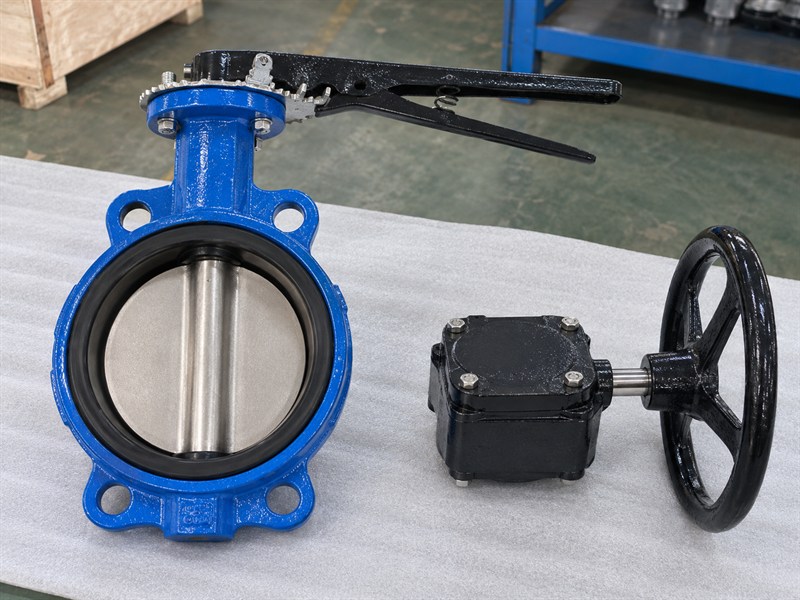
Select the operator for a centerline butterfly valve JIS assembly using valve torque data for the specified duty. Review breakaway, running, and seating demand rather than comparing one nominal torque figure. The available operator output must cover the required movement with the accepted margin and within component limits.
Manual operation also needs an access and effort review. A lever that fits the valve can still foul nearby pipework or become difficult to use in the installed position. A gearbox changes the operating arrangement, but its output, mounting, indication, and service access still require confirmation.
What changes when the valve is automated?
Request a complete actuator sizing assessment and define minimum supply, controls, required failure action, and functional acceptance conditions. Confirm the coupling and bracket as part of the load path.
| Operator check | Information to retain |
|---|---|
| Required torque | Duty-specific demand throughout travel |
| Available output | Operator data at limiting supply conditions |
| Installation | Drive interface, access, stops, and indication |
Investigate unexpected operating resistance before increasing force. Seat compression, flange misalignment, or disc interference can create a problem that a larger operator will not correct.
7. Which centerline butterfly valve JIS dimensions need checking?
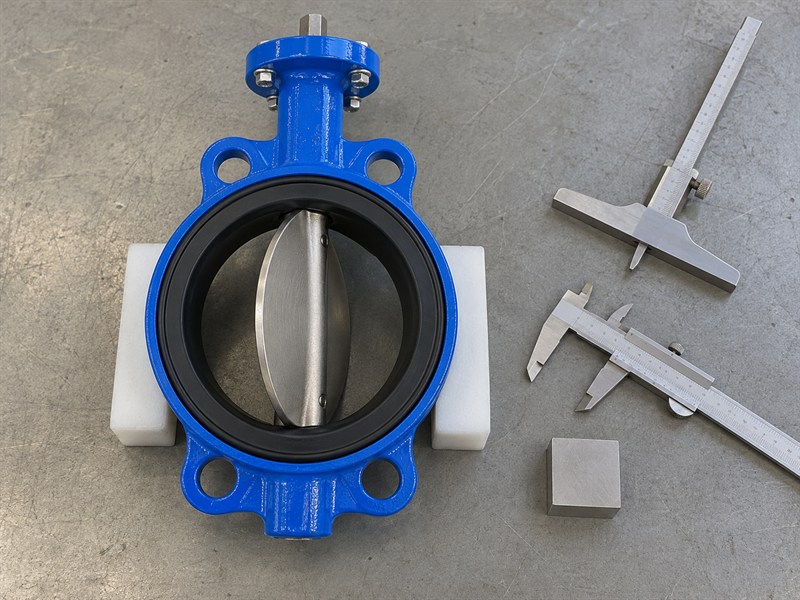
Compare the replacement centerline butterfly valve JIS assembly with the actual installation envelope. Body length, stem projection, operator height, mounting interface, and disc sweep can differ between products sharing the same nominal size. Record dimensions from the approved drawing and check the site constraints against them.
Use the wafer valve size guide to organize the survey, then obtain the offered model's dimensions. A general catalogue chart cannot account for every body construction or operator package. Keep measurement units and drawing datums clear when comparing documents from different suppliers.
What should happen if dimensions disagree?
Stop the substitution review at the conflicting feature and ask for a documented resolution. Do not use bolts to pull misaligned piping into place or assume that a shorter body can accept an improvised spacer arrangement.
| Replacement feature | Acceptance basis |
|---|---|
| Axial space | Approved body length and installation arrangement |
| Radial clearance | Disc sweep and mating bore |
| Operator envelope | Access, surrounding equipment, and maintenance space |
Approve the final assembly drawing before shipment so the site team receives the same dimensions that the purchaser accepted.
Photographs help identify the installed arrangement, but use measured dimensions for the acceptance comparison. Include a clear reference point and measurement method in the survey. If the original valve is still in service and a dimension cannot be checked safely, mark that uncertainty and plan the required verification during an approved isolation.
8. How should a centerline butterfly valve JIS order be tested?
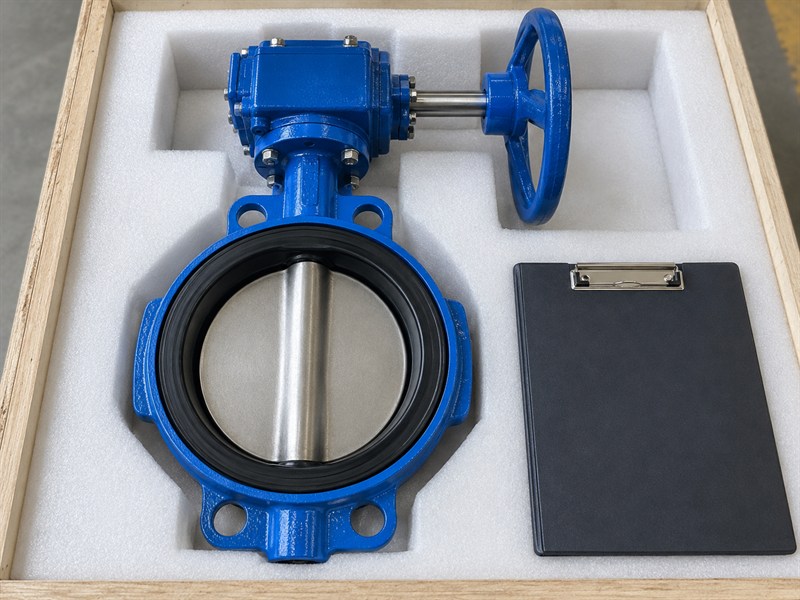
Agree the inspection plan for the centerline butterfly valve JIS order before manufacturing release. It should identify dimensional checks, material records, pressure and seat tests, operator checks, and the documents needed for acceptance. Link those requirements to the selected valve rather than a generic factory checklist.
For each pressure or leakage test, state the governing method, medium, pressure, duration, direction, and acceptance criterion. Keep the test conditions separate from the valve's working limits. A dry manual stroke checks movement under those conditions; it does not establish seat tightness at the specified differential.
What should the receiving inspector compare?
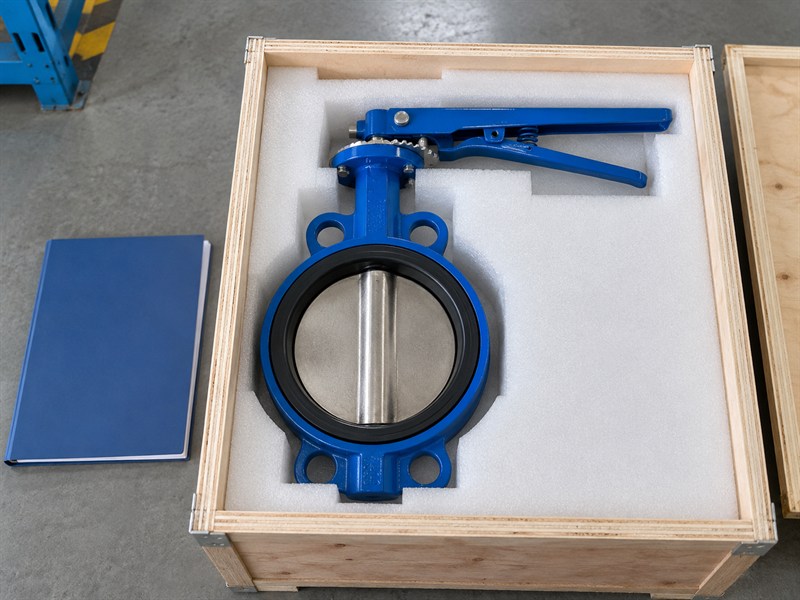
Match the delivered identification with the drawing, packing list, and required reports. Check the condition of the seat and disc without introducing contamination or damaging the sealing edge.
| Inspection stage | Record to retain |
|---|---|
| Factory checks | Conditions, criteria, results, and product identity |
| Receiving checks | Configuration, condition, and document match |
| Installation checks | Fit, orientation, clearance, and approved settings |
Resolve missing records or unexplained changes before releasing the valve for installation. Keep any accepted concession with the order history.
9. What centerline butterfly valve JIS service records are needed?
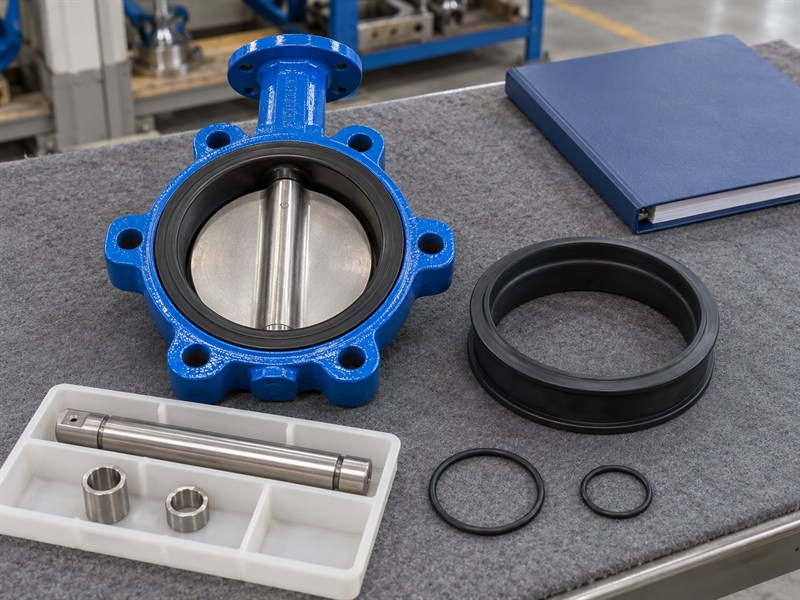
Request installation, operation, storage, and maintenance instructions for the exact centerline butterfly valve JIS configuration and operator. Identify replacement seats, seals, couplings, and other service parts using controlled references. A generic maintenance leaflet may omit the supplied seat retention or operator arrangement.
Plan safe access and isolation before service work. Follow the manufacturer's requirements for pressure isolation, residual media, actuator energy, and support of the assembly. The approved butterfly valve orientation and mounting arrangement should remain available to the maintenance team.
Which operating changes need a new review?
A change in fluid, cleaning chemical, temperature, differential pressure, or cycle duty can affect the original selection. Review the complete configuration before reusing the valve in another service.
| Maintenance field | Information to retain |
|---|---|
| Spare parts | Exact supplied configuration and part references |
| Procedures | Manufacturer's installation and service instructions |
| Duty history | Accepted limits and approved changes |
When you contact RUITO, include the existing drawings, service data, and photographs of identification. Request confirmation of the proposed replacement parts before dismantling an installed assembly.
10. What centerline butterfly valve JIS questions do buyers ask?
Q1: Does “centerline” always identify one particular brand?
No; in a centerline butterfly valve JIS enquiry, the wording can describe concentric construction or appear in commercial product names. State the manufacturer, model, and intended generic construction separately. Do not assume interchangeability from the wording.
Q2: Can I buy a replacement using only nominal diameter?
No. Confirm body length, flange details, disc clearance, service limits, materials, operator, and mounting. Match the accepted drawing to the actual installation before approving a substitute.
Q3: Does a JIS flange claim establish valve-design compliance?
No. Specify and verify the flange interface and valve design requirement separately. Request the applicable standard numbers, editions, configuration, supporting records, and any exceptions.
Q4: Is every black resilient seat suitable for the same fluid?
No. Appearance cannot identify the compound or its approved service. Confirm the seat and auxiliary seal materials against the fluid, temperature, exposure conditions, and required shutoff duty.
Q5: What should I do if the valve becomes hard to turn?
Follow the manufacturer's isolation procedure and investigate the cause. Check installation, seat compression, disc clearance, contamination, and operator settings before applying greater force or changing the actuator.