
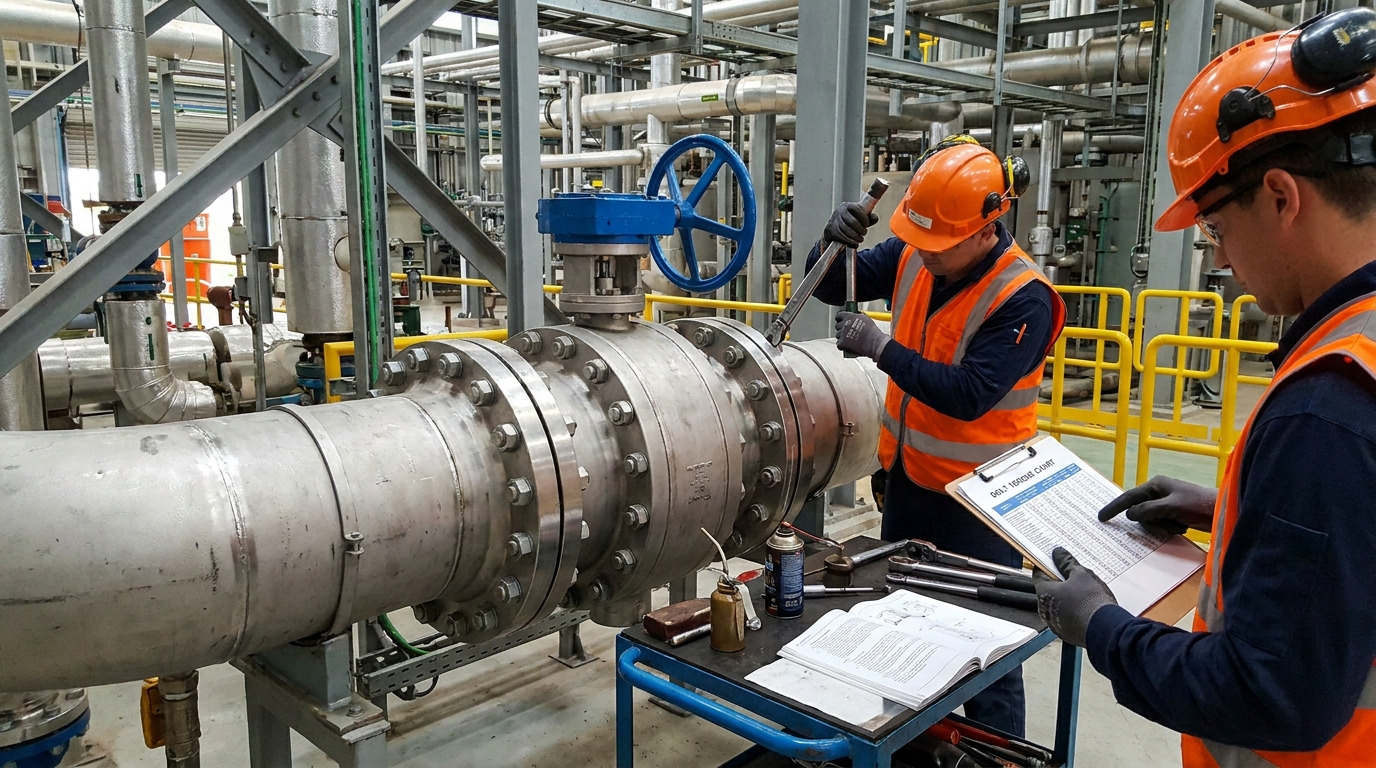
The Lug Type Butterfly Valve Bolt Chart is a critical reference tool that outlines precise bolt dimensions, torque specifications, and material grades for installing lug-style industrial valves safely. Imagine staring at a leaking flange during a critical production run, knowing your team guessed the hardware sizes. Misaligned bolts and incorrect torque settings can ruin your entire pipeline system in seconds, causing massive operational headaches. The solution is simple: referencing a standard lugged butterfly valve bolt chart guarantees exact measurements and a secure, leak-free installation every single time.
What is a lugged butterfly valve bolt chart?
A lugged butterfly valve bolt chart is a structured technical document detailing the exact diameter, length, and torque required for your valve hardware. Whenever you rely on a detailed lugged butterfly valve bolt chart, you eliminate guesswork and ensure your flanges are perfectly mated. This precision is essential for maintaining optimal pipeline performance and avoiding catastrophic joint failures.
Engineers and maintenance teams depend on these exact measurements daily. Without this data, securing the valve safely against high-pressure flow becomes a dangerous guessing game.
Why is this document so important?
Here’s the deal: guessing bolt sizes is a fast track to disaster and costly facility downtime. You absolutely need precise measurements to maintain structural system integrity over long periods. A standardized reference provides clear guidance for your engineering team during installation.
- Provides exact bolt lengths for different sizes
- Lists recommended tightening torque values
- Specifies appropriate material grades for bolts
Does it actually improve safety?
You might be wondering: can a simple printed chart genuinely prevent industrial accidents? Yes, because incorrect bolting is a leading cause of flange blowouts globally. By following the approved specifications, you heavily minimize the risk of high-pressure leaks.
Key Takeaway: A comprehensive chart is your best defense against installation errors, ensuring a completely stable pipeline environment.
| Feature | Primary Benefit | Importance |
|---|---|---|
| Bolt Length | Prevents dangerous thread stripping | High |
| Torque Specs | Ensures even gasket sealing pressure | Critical |
| Grade Data | Matches heavy pipe material strength | High |
Analyzing these core features reveals that precise bolting directly correlates with extended pipeline longevity.
Why use a lugged butterfly valve bolt chart?
You use a lugged butterfly valve bolt chart to guarantee that every mechanical connection in your piping system meets strict engineering tolerances. When your technicians consult a lugged butterfly valve bolt chart, they apply exactly the right amount of force to the correct hardware. This prevents over-tightening, which can easily crack flanges or distort the valve seat.
Consistently utilizing these guidelines protects your expensive equipment investments. It also ensures full compliance with industrial safety regulations during routine inspections.
How does it prevent leakage?
What’s the real story? Leaks typically happen when pressure unevenly distributes across the sealing gasket. You can stop this by using the specific bolt lengths and tightening sequences recommended. Following the data ensures the valve body compresses equally against both pipe flanges.
- Ensures symmetrical gasket compression
- Avoids localized stress points
- Keeps fluid safely contained
Will it save you money?
Ready for the good part? Doing the job right the first time eliminates the need for expensive emergency repairs. You save significant capital by avoiding unplanned shutdowns and replacement parts.
Key Takeaway: Using accurate installation data drastically reduces maintenance costs and extends the working life of your fluid control assets.
| Cost Area | Potential Savings | Impact Level |
|---|---|---|
| Gasket Replacement | High | Immediate |
| Emergency Labor | Very High | Long-term |
| Lost Production | Extreme | Critical |
Reviewing these financial metrics proves that upfront precision yields massive long-term operational savings.
How to read a lugged butterfly valve bolt chart?
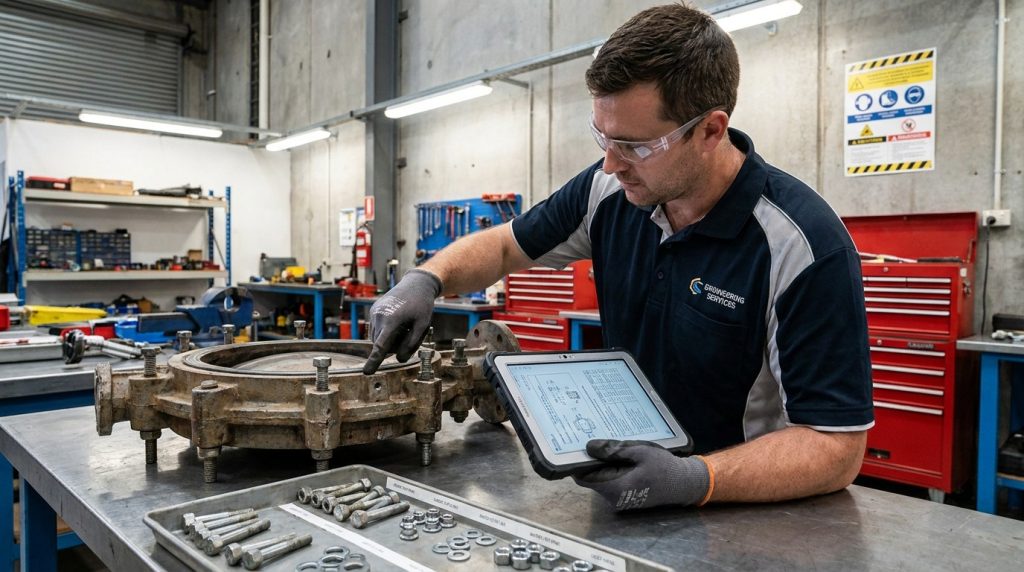
Reading a lugged butterfly valve bolt chart requires matching your specific valve nominal size and pressure class to the corresponding row of hardware dimensions. By carefully studying a lugged butterfly valve bolt chart, your installation crew can quickly extract the exact thread type and quantity needed. The grid format is designed for rapid, error-free comprehension during busy plant operations.
Understanding the columns ensures you never mix up metric and imperial measurements. This simple verification step is crucial before purchasing or installing any fastening hardware.
What data is typically included?
This is where it gets interesting: the best references go far beyond just listing basic diameters and lengths. You will often find detailed material recommendations suited for highly corrosive environments. This comprehensive data allows you to source the exact parts needed for specialized chemical applications.
- Nominal valve diameter sizes
- Flange class ratings
- Required number of bolts
How do you match the sizes?
Truth be told: you simply trace the row corresponding to your pipe diameter across to the torque column. You must always double-check the pressure rating, as higher pressures require thicker, longer bolts. Taking an extra minute to verify this prevents serious mismatch issues.
Key Takeaway: Mastering how to read this basic grid empowers your technicians to execute flawless and secure installations every time.
| Column Header | Data Type | Usage |
|---|---|---|
| Valve Size | Inches or DN | Base identifier |
| Bolt Qty | Number | Purchasing guide |
| Thread Pitch | Metric/UNC | Nut matching |
Properly interpreting these specific data columns eliminates hardware compatibility issues during field assembly.
Who needs a lugged butterfly valve bolt chart?
Anyone responsible for the design, assembly, or maintenance of industrial piping networks absolutely needs a lugged butterfly valve bolt chart. Whether you are a senior pipefitter or a procurement manager, having a lugged butterfly valve bolt chart ensures you are making safe, technically sound decisions. It bridges the gap between theoretical engineering and practical field execution.
Safety inspectors also utilize these specific documents to verify that active pipelines comply with original design parameters. It is an indispensable tool across the entire industrial workflow.
Are engineers the only users?
But here’s the kicker: purchasing agents use these documents just as heavily as the engineering staff. You need accurate counts and material grades to order the right supplies without wasting budget. Keeping a copy handy streamlines the entire procurement process.
- Maintenance crews
- Procurement managers
- Safety compliance officers
Does a field technician need one?
Let’s be honest: field mechanics are the frontline workers who benefit the most from these clear specifications. You cannot expect them to memorize torque values for dozens of different valve classes. Providing them with easy access guarantees they tighten every single nut correctly.
Key Takeaway: Distributing this technical reference across all relevant departments ensures uniform quality control from purchasing to final assembly.
| User Role | Primary Application | Frequency |
|---|---|---|
| Engineer | System design | High |
| Purchaser | Hardware sourcing | Medium |
| Technician | Field installation | Daily |
Equipping all team members with identical reference data creates a highly synchronized and efficient operational workflow.
When to check a lugged butterfly valve bolt chart?
You should check a lugged butterfly valve bolt chart before ordering materials, during the initial installation setup, and prior to any routine maintenance overhauls. Consulting your lugged butterfly valve bolt chart before loosening any hardware ensures you have the exact replacement parts ready on hand. This proactive approach minimizes the time your critical flow systems remain offline.
Waiting until the pipeline is disassembled to verify hardware sizes is a massive logistical mistake. Always confirm your specifications well before the physical work begins.
Should you use it during routine checks?
Here’s the deal: preventive maintenance is practically useless if you reassemble the system with incorrect torque. You must use the reference data to re-tighten existing bolts that may have vibrated loose over time. This ongoing verification keeps your facility running smoothly year after year.
- Before ordering new hardware
- Prior to tightening sequences
- During safety audits
Why check before purchasing?
You might be wondering: isn’t standard flange hardware universal? Absolutely not, because different lug designs require specific thread engagements to function safely. Verifying the data prevents you from buying thousands of dollars of useless, incompatible steel.
Key Takeaway: Making the data review a mandatory step in your operational procedure prevents costly delays and serious safety hazards.
| Timing | Activity | Benefit |
|---|---|---|
| Pre-Order | Verification | Saves budget |
| Installation | Torqueing | Ensures seal |
| Audit | Inspection | Maintains safety |
Integrating this verification step into standard operating procedures drastically reduces mechanical failures across the plant.
Where to find a lugged butterfly valve bolt chart?
You can find a highly accurate lugged butterfly valve bolt chart in the manufacturer’s technical manual, on specialized engineering websites, or directly from your valve vendor. Locating a trustworthy lugged butterfly valve bolt chart is incredibly easy if you reach out to reputable industrial suppliers who prioritize customer support. Most top-tier manufacturers offer these resources as free, downloadable PDF files.
Never rely on anonymous forum posts for this critical safety information. Always source your technical data directly from the original equipment manufacturer or a certified distributor.
Are manufacturer websites reliable?
What’s the real story? The manufacturer who produced your specific valve is always the ultimate authority on its hardware requirements. You should always check their official resource center first for the most updated specifications. They test their products rigorously to generate those exact numbers.
- Official company websites
- Engineering reference books
- Supplier technical catalogs
Can you request one from sales?
Ready for the good part? Good vendors want your installation to succeed, so their sales engineers will gladly email you the exact documents you need. You can simply call them up and specify your valve model for instant technical assistance.
Key Takeaway: Sourcing your data from verified, professional channels guarantees you are applying the safest and most accurate installation metrics.
| Source | Reliability | Accessibility |
|---|---|---|
| OEM Manual | Excellent | Immediate |
| Vendor Support | High | Fast |
| Web Forums | Very Low | Unpredictable |
Focusing solely on verified original equipment manufacturer data eliminates the extreme risks associated with crowdsourced engineering advice.
Can a lugged butterfly valve bolt chart stop leaks?
A lugged butterfly valve bolt chart stops leaks by providing the exact parameters needed to achieve uniform compression across the sealing gasket. When you strictly follow a lugged butterfly valve bolt chart, you eliminate the uneven flange stress that typically allows fluids to escape. Correct sizing ensures the hardware does not bottom out before the seal is fully engaged.
Leaks are rarely caused by defective valves; they are overwhelmingly caused by poor installation practices. This simple document is your most effective tool for preventing environmental hazards.
How does torque prevent drips?
This is where it gets interesting: applying random force to a nut often pinches or warps the rubber elastomer seat. You must use a calibrated torque wrench set to the exact value listed in the reference guide. This careful approach maintains the perfect physical shape of the internal seal.
- Ensures flat flange mating
- Prevents gasket distortion
- Eliminates gap formation
Will correct lengths help?
Truth be told: if a stud is too long, the nut might run out of thread before it actually clamps the flange tight. You need the exact specified length to guarantee full clamping force is applied to the joint. It sounds incredibly simple, but it solves the majority of weeping flange issues.
Key Takeaway: Precision hardware sizing and calibrated tightening are the only proven methods for achieving a permanently leak-free connection.
| Issue | Cause | Solution |
|---|---|---|
| Warped Seat | Over-tightening | Use exact torque |
| Loose Joint | Thread bottoming | Use correct length |
| Uneven Gap | Random tightening | Follow sequence |
Applying these exact mechanical parameters directly addresses the root causes of pipeline fluid containment failures.
Does a lugged butterfly valve bolt chart show torque?
Yes, a comprehensive lugged butterfly valve bolt chart always shows the specific torque values required to safely seat the valve between flanges. Referencing a high-quality lugged butterfly valve bolt chart gives your mechanics the exact foot-pounds or Newton-meters needed for their wrenches. This specific numerical value is just as important as the physical dimensions of the steel.
Without this crucial torque data, your team is essentially operating blindly. Over-tightening can easily fracture cast iron bodies, while under-tightening guarantees a dangerous blowout.
Why do torque values vary?
But here’s the kicker: a four-inch valve requires drastically less force to seal than a massive twenty-four-inch flow controller. You must also account for the difference in gasket materials, as Teflon requires different compression than standard EPDM rubber. The guide adjusts these numbers based on extensive laboratory pressure testing.
- Varies by nominal size
- Changes with pressure class
- Adapts to seat materials
Can you guess the torque?
Let’s be honest: relying on the “feel” of a wrench is a completely outdated and reckless maintenance strategy. You must use calibrated instruments matched exactly to the documented engineering specifications. Doing otherwise exposes your facility to severe liability and mechanical breakdown.
Key Takeaway: Treating the recommended tightening specifications as absolute law is the only way to ensure heavy industrial safety.
| Factor | Torque Impact | Reason |
|---|---|---|
| Large Size | Increases | More surface area |
| High Class | Increases | Holds more pressure |
| PTFE Seat | Varies | Harder material |
Understanding how these variables dictate tightening force ensures technicians respect the published engineering limitations.
Is a lugged butterfly valve bolt chart accurate?
A lugged butterfly valve bolt chart is highly accurate because it is generated through rigorous mechanical engineering and strict industry standardization protocols. When provided by a reputable manufacturer, a lugged butterfly valve bolt chart perfectly aligns with international standards like API and ASME. These documents are carefully calculated to provide a significant margin of safety under extreme conditions.
However, you must ensure you are reading the chart that specifically matches your exact valve series. Generic guides can sometimes lead to slight discrepancies that cause major installation headaches.
Are all brands the same?
Here’s the deal: while the core physics remain constant, slightly different casting thicknesses between manufacturers can alter required lengths. You should never assume a guide from Brand A perfectly applies to a unit from Brand B. Always try to match the literature directly to the hardware brand you purchased.
- Check manufacturer specific data
- Verify ASME/ANSI class
- Confirm metric vs imperial
Do they account for coatings?
You might be wondering: if I use heavy anti-seize paste, does the accuracy of the guide change? Yes, lubricated threads require significantly less torque to achieve the same clamping force, which a good guide will clearly note. You must read the fine print to adjust your wrench settings accordingly.
Key Takeaway: Verifying the source and context of your technical documentation guarantees the physical accuracy of your pipeline assembly.
| Condition | Accuracy Status | Action Required |
|---|---|---|
| OEM Matched | 100% Accurate | Proceed safely |
| Generic Guide | Questionable | Verify with vendor |
| Lubricated | Needs Adjustment | Reduce torque |
Evaluating the source and specific conditions of your technical references prevents subtle yet destructive field installation errors.
Why update your lugged butterfly valve bolt chart?
You must update your lugged butterfly valve bolt chart regularly to ensure compliance with changing industry safety standards and modified flange designs. Using an outdated lugged butterfly valve bolt chart can cause your team to apply obsolete torque standards to newly formulated gasket materials. Manufacturers frequently refine their product lines, and your reference materials must evolve alongside those engineering improvements.
Relying on a dirty, decade-old photocopy pinned to a workshop wall is a major operational risk. Digital files from your vendor guarantee you are always working with the latest, safest data.
Do industry standards change?
What’s the real story? Organizations like the American Petroleum Institute constantly revise their safety mandates based on global failure analyses. You need current documents to pass strict modern facility inspections and maintain your operational licensing. Staying updated keeps your company legally protected and mechanically sound.
- ASME code revisions
- API safety updates
- Material science advances
How often should you check?
Ready for the good part? You only need to verify your documentation annually or whenever you switch to a new hardware supplier. You can easily schedule this administrative check alongside your standard yearly facility safety review.
Key Takeaway: Maintaining current technical literature is a low-effort, high-reward strategy that heavily fortifies your overall operational reliability.
| Document Age | Risk Level | Recommendation |
|---|---|---|
| Current Year | Very Low | Use confidently |
| 1-3 Years | Moderate | Verify with vendor |
| 5+ Years | High | Discard and replace |
Systematically refreshing your engineering literature ensures your maintenance procedures never fall behind modern safety innovations.
Your pipeline’s integrity relies entirely on precision, and having the right tools makes all the difference. We know that sourcing reliable flow control equipment and accurate technical data can be a daunting task in today’s demanding industrial landscape. Our engineering team is dedicated to providing robust, fully documented solutions that eliminate guesswork and guarantee perfect installations. If you are ready to upgrade your fluid control systems with confidence, please contact us today so we can elevate your operational safety and efficiency together.
FAQ
Q1: Can I use standard bolts instead of the ones on the chart?
No, you must use the specifically graded fasteners listed in the documentation. Using standard, low-grade hardware will rapidly lead to thread stripping and catastrophic joint failure under pressurized conditions.
Q2: What’s the best way to prevent flange leaks during installation?
The best way is to strictly follow the recommended torque settings and tighten the hardware in a precise, alternating star pattern. This guarantees the sealing gasket compresses perfectly evenly across the entire valve body.
Q3: How do I know if my chart is for metric or imperial flanges?
You should immediately check the column headers for unit indicators like “mm” or “inches” before proceeding. Attempting to force metric threads into imperial tapped lugs will instantly destroy the valve body.
Q4: Can I reuse old bolts when replacing a valve?
No, you should never reuse hardware that has been subjected to prolonged industrial stress and chemical exposure. Old studs suffer from microscopic metal fatigue and stretched threads that severely compromise new installations.
Q5: What’s the best material for highly corrosive environments?
Stainless steel grades like A4-80 are universally recommended for aggressive chemical and outdoor applications. These specialized alloys strongly resist rust and degradation, ensuring the connection remains secure for decades.