
Start a butterfly valve JIS 10K inspection with the approved order documents. Inspectors need the offered configuration, drawing revision, materials, service limits, and acceptance criteria before they can release a shipment. A valve that looks clean and turns freely can still have the wrong flange interface, seat compound, or supporting records.
1. What should a butterfly valve JIS 10K inspection plan cover?
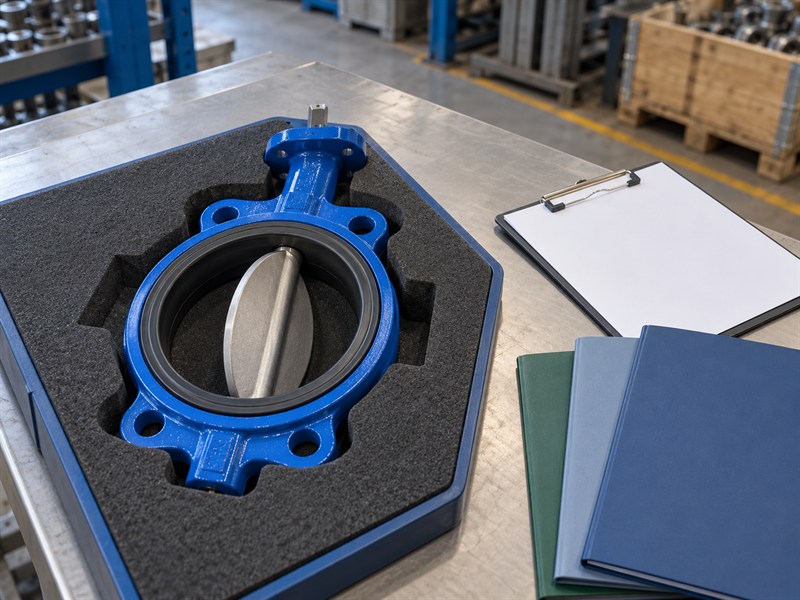
Build the butterfly valve JIS 10K inspection plan around the actual purchase specification. Identify the valve model, size, body style, operator, JIS interface, required materials, and accepted deviations. Then list the checks and records needed at each stage, including any purchaser witness or hold points.
Assign responsibilities before manufacture begins. A supplier may perform a check while the purchaser reviews the resulting record; another stage may require an inspector's attendance. State the notification period and release authority so a missed attendance does not become an improvised acceptance decision.
Which requirements must be measurable?
Each acceptance item needs a defined basis. Terms such as “good quality” or “standard test” give an inspector no usable criterion when the result is disputed.
| Inspection field | Requirement to define |
|---|---|
| Product identity | Model, size, configuration, and order reference |
| Acceptance basis | Drawing, specification, method, and criterion |
| Release control | Responsible parties, hold points, and required records |
Retain one approved plan with revision control. If the order changes, review the affected inspection stages before continuing production or accepting previously completed results.
State which checks apply to every valve and which use an agreed sampling arrangement. Record how the sample will be identified and selected. An inspection report for an unspecified sample leaves the purchaser unable to determine which shipment items the result covers or what action is required when a sample fails.
2. How do you verify a butterfly valve JIS 10K drawing?
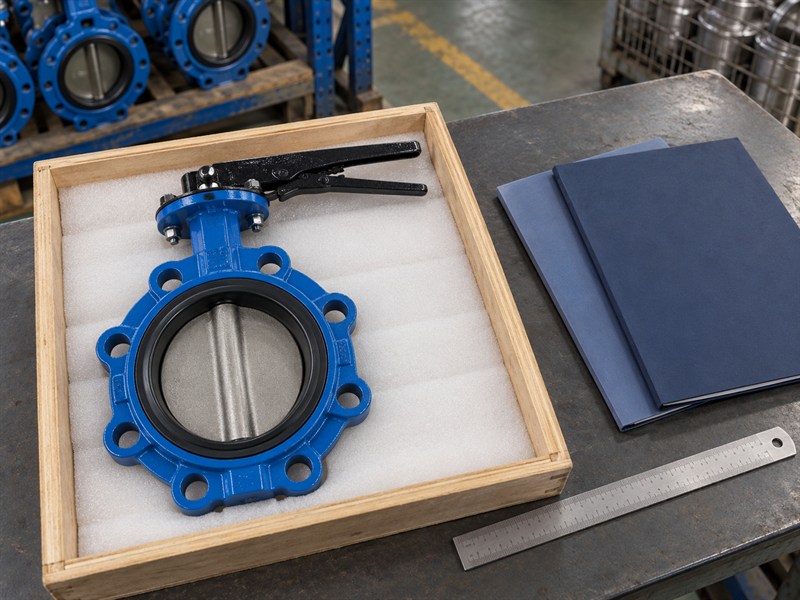
Match the butterfly valve JIS 10K inspection drawing to the final quotation and purchase-order attachments. Confirm that the flange designation, body length, materials, operator, and identification requirements agree across those documents. An inspector should not have to choose between conflicting revisions at the packing bench.
The JIS designation needs its applicable document and scope. The JSA listing for JIS B 2032:2024 concerns a particular wafer-type rubber-seated construction. Review the correct route for the offered valve and treat the mating flange requirement as a separate interface check.
What should happen when documents conflict?
Raise the discrepancy against the order and obtain a controlled resolution. Record whether the drawing, purchase specification, or supplier submission changes and who approved the decision.
| Drawing check | Required confirmation |
|---|---|
| Revision | Same accepted baseline across order documents |
| Configuration | Offered body, seat, materials, and operator |
| Interface | Size-specific drilling, facing, bore, and body length |
Keep superseded drawings out of the working inspection package. Preserve them in the revision history without allowing them to guide a later acceptance check.
3. Which butterfly valve JIS 10K material records are needed?
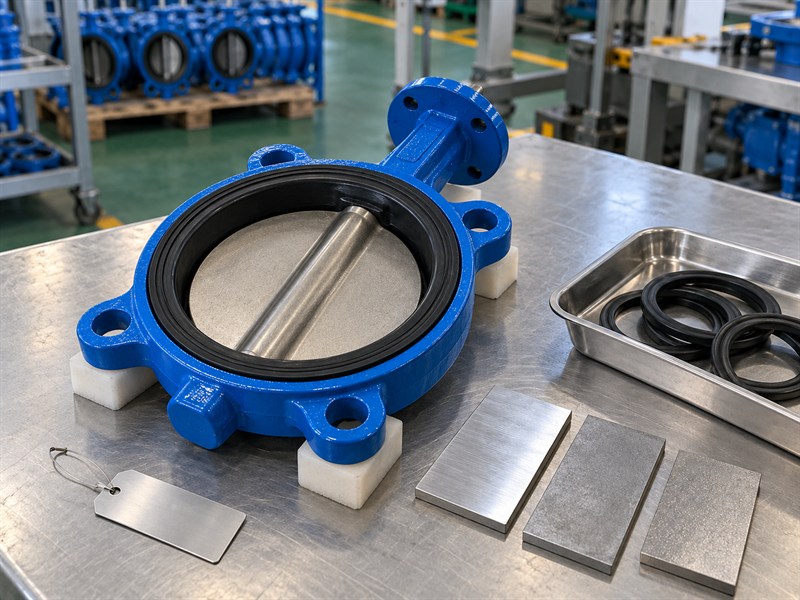
Compare the butterfly valve JIS 10K material list with the supplied records for the body, disc, shaft, seat, and auxiliary seals. Define the traceability level in the order. Some requirements apply to individual components; others may use an accepted production-batch reference.
Check that the records identify the supplied grades and the relevant heat, batch, or product references where required. A generic certificate attached to a shipment cannot establish that it covers the components inside every valve. Investigate references that cannot be followed through the agreed production records.
How should seat identity be checked?
Use the approved compound and part references. Colour or surface appearance cannot distinguish every elastomer formulation, and the word “EPDM” alone may leave the exact supplied compound unresolved.
| Material item | Evidence to retain |
|---|---|
| Metallic components | Required grade and agreed traceability records |
| Seat and seals | Approved compound, part, and batch identification |
| Coating or lining | Specified system and required inspection evidence |
Do not approve an undocumented substitution because the replacement looks similar. Review the effect on service suitability, assembly, and the accepted compliance statement.
4. Which butterfly valve JIS 10K dimensions need inspection?
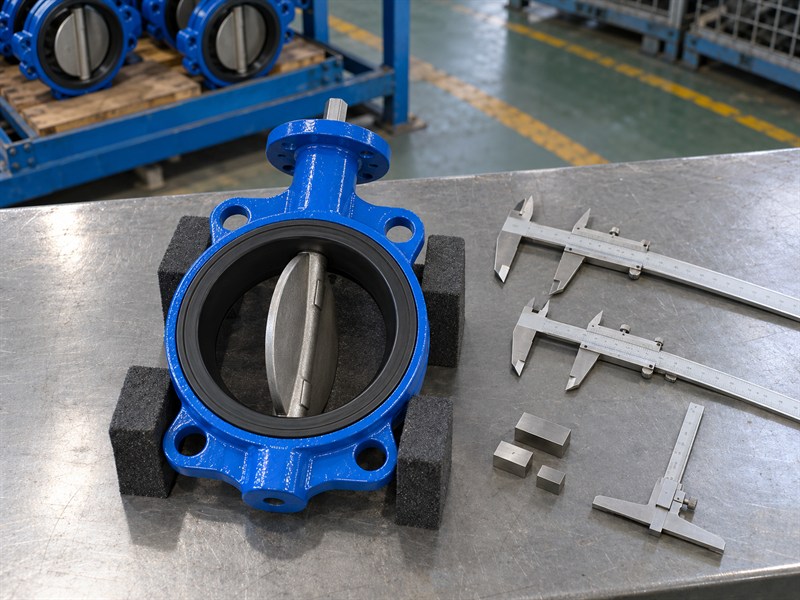
Inspect butterfly valve JIS 10K dimensions against the approved drawing using suitable instruments and a defined method. Include body length, flange-interface geometry, drive details, and any installation-critical envelope dimensions. Record the relevant datum and units rather than listing unexplained numbers in a report.
Review the clear bore and disc sweep with the actual mating geometry. Bolt alignment alone cannot establish full travel clearance. The wafer butterfly valve size guide and bolt-size checks help organize the review; the offered model's drawing supplies the acceptance values.
Which instrument records should be available?
Confirm the instrument identity, condition, range, and calibration status required by the inspection plan. Select a method capable of resolving the specified tolerance.
| Feature | Inspection basis |
|---|---|
| Body length | Approved face-to-face dimension and tolerance |
| Flange interface | Drawing-specific drilling, facing, and bore |
| Drive and envelope | Approved mounting, shaft, and access dimensions |
Report a nonconforming measurement with its location and method. Do not remove material or modify an interface without an approved technical disposition.
For example, if the measured body length conflicts with the accepted drawing, keep the actual reading, instrument reference, drawing value, and applicable tolerance together. The responsible engineer can then assess the discrepancy. A statement that the valve will probably fit gives the site team no controlled basis for accepting the changed dimension.
5. How do you inspect butterfly valve JIS 10K assembly condition?
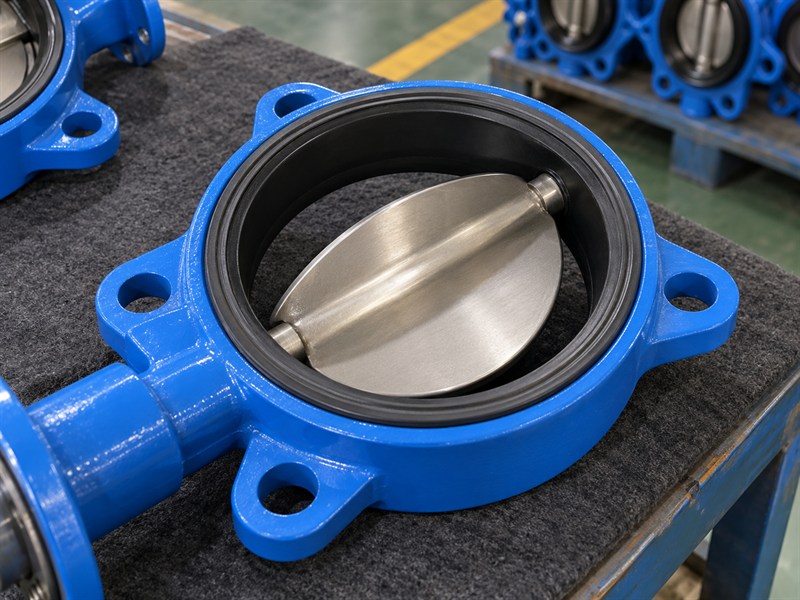
Inspect the butterfly valve JIS 10K assembly in a condition that reveals the specified features without damaging them. Check visible sealing surfaces, retained components, fasteners, coating condition, and the assembled drive path. Follow the manufacturer's handling and inspection procedure for the seat and disc.
Look for contamination, trapped packing, impact damage, and assembly irregularities that could affect operation or sealing. Keep cosmetic criteria separate from functional or dimensional requirements. A paint blemish and a damaged seat edge need different assessments and different repair instructions.
What should an inspector avoid during the check?
Avoid dragging sharp instruments across elastomer or polished sealing surfaces. Do not dismantle an assembly beyond the agreed inspection scope without the supplier's procedure and authorization under the inspection plan.
| Condition check | Acceptance reference |
|---|---|
| Sealing surfaces | Agreed damage and cleanliness criteria |
| Assembly | Approved parts, retention, and fastening arrangement |
| Coating and finish | Specified coverage and workmanship requirements |
Photograph a discrepancy with a clear location reference. Record the proposed correction and the inspection needed after the correction is complete.
Protect the inspected parts while the issue is being resolved. Keep loose metal particles, abrasive dust, paint overspray, and packing debris out of the seat and bore. If repair work changes a previously accepted feature, identify the affected checks and repeat them under the agreed procedure before closing the discrepancy.
6. How do you review a butterfly valve JIS 10K pressure test?
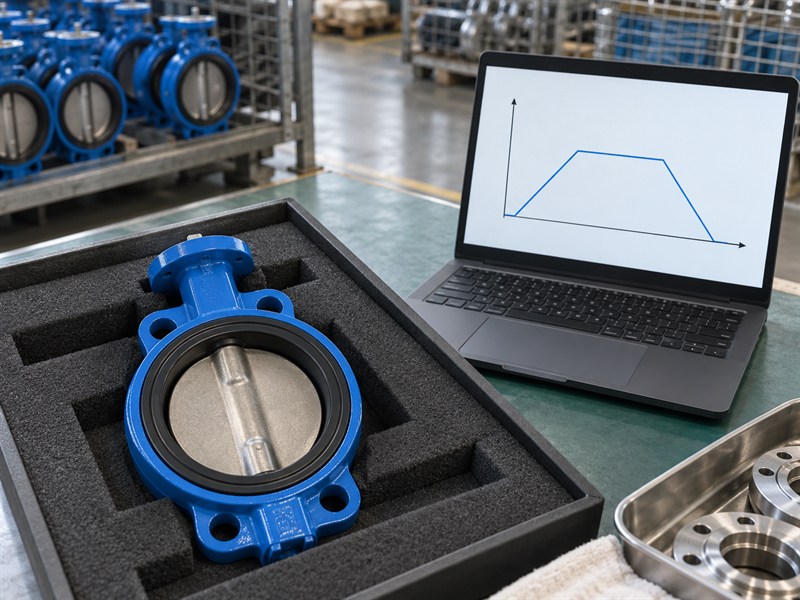
Review the approved butterfly valve JIS 10K test procedure before the test is performed. Confirm the governing method, test medium, pressure, duration, temperature conditions, configuration, and acceptance criteria. The inspection plan should identify the required shell and seat checks separately.
The pressure trace in the illustration is conceptual and has no numerical scale. It cannot supply a test setting or substitute for the accepted procedure. Factory test pressure also does not define the valve's continuous operating pressure–temperature limits or its permitted closing differential.
What should the test record identify?
Link the report to the tested product or agreed batch. Record the instruments and actual conditions required by the plan, together with observations and the acceptance decision.
| Test-report field | Purpose |
|---|---|
| Product and procedure | Identifies what was tested and under which method |
| Conditions | Records pressure, medium, duration, and other required settings |
| Result | Records observations against the accepted criterion |
Treat missing conditions as an incomplete record. Request clarification or the agreed corrective action before using that report to release the order.
7. What makes a butterfly valve JIS 10K leakage report usable?
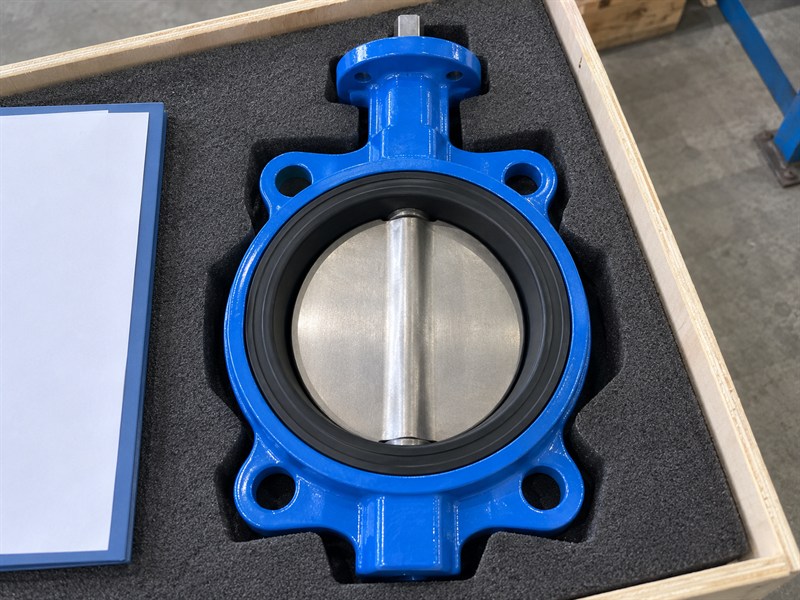
A usable butterfly valve JIS 10K seat-leakage report states the acceptance criterion and the conditions of the observation. Identify the test direction, differential, medium, duration, and valve configuration as required by the governing procedure. Keep observed results distinct from the permitted limit.
Do not translate a brief “no leakage” statement into an unlimited service promise. Its meaning depends on the specified method and observation conditions. Gas service, water service, and application-specific requirements may need different accepted evidence for the proposed configuration.
How should retesting be handled?
Record the original discrepancy, the approved repair or adjustment, and the retest requirement. Maintain the link between the repaired valve and its final acceptance evidence.
| Leakage-report item | Question to answer |
|---|---|
| Criterion | What limit was required? |
| Conditions | Under what medium, differential, direction, and duration? |
| Observation | What result was recorded for the identified valve? |
If the project requires bidirectional performance, review the evidence for both required directions. Do not infer it from a single-direction result or the symmetry of the valve's exterior.
Check that the reported configuration matches the delivered assembly after testing. A later seat change, disassembly, or operator adjustment may require further inspection under the accepted plan. The release package should show which configuration received the final test and whether any subsequent work affected the validity of that evidence.
8. Which butterfly valve JIS 10K operator checks apply?
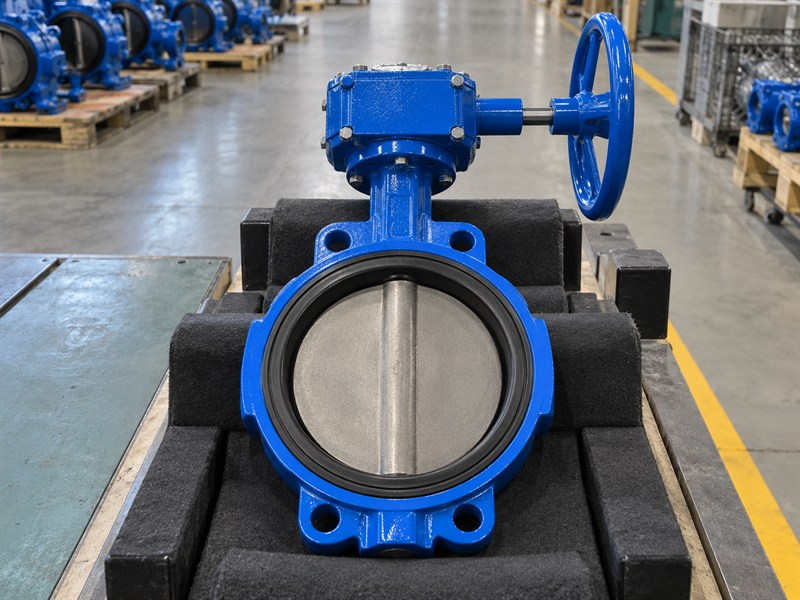
Check the complete butterfly valve JIS 10K operator arrangement against the approved assembly drawing. Review travel, stops, indication, mounting, coupling engagement, access, and the specified operating response. A valve body and operator that each pass separate checks can still form an unsuitable assembly.
For automation, retain the sizing basis and the required control description. Review output at limiting supply conditions and distinguish air-loss from electrical-power-loss response. The actuator sizing guidance identifies the demand and output information needed for the review.
What does a bench stroke establish?
It establishes the observed movement under the stated bench conditions. It cannot by itself prove performance at every process differential, supply condition, or failure event in the project.
| Functional check | Acceptance basis |
|---|---|
| Mechanical travel | Approved stops, clearance, and drive arrangement |
| Indication | Verified relationship with actual disc position |
| Automation | Agreed signals, supply conditions, timing, and failure response |
Investigate incomplete travel before changing torque or stop settings. Record the final accepted settings so commissioning staff receive the same configuration.
9. When can a butterfly valve JIS 10K shipment be released?
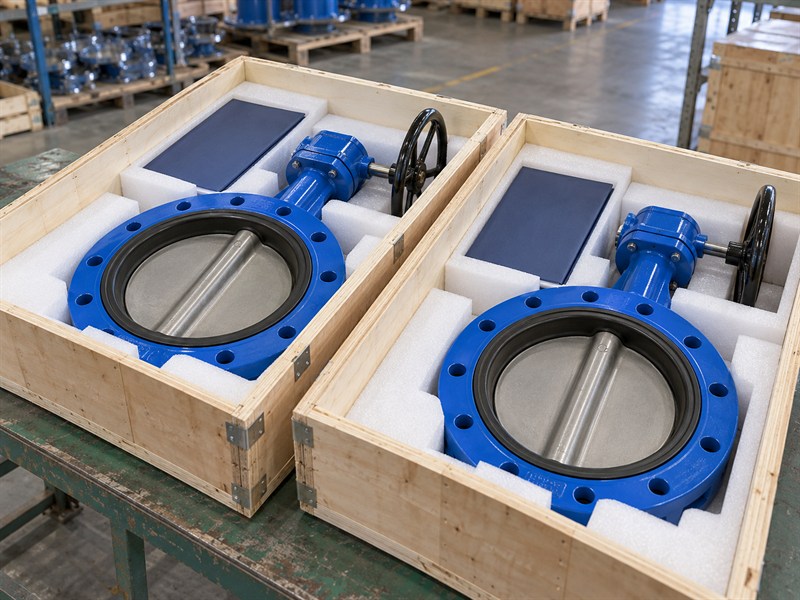
Release a butterfly valve JIS 10K shipment only after the required records, inspection results, and accepted deviations are complete. Match the packing list and product identification with the approved configuration. Check that each item includes the specified operator, accessories, spare parts, and document package.
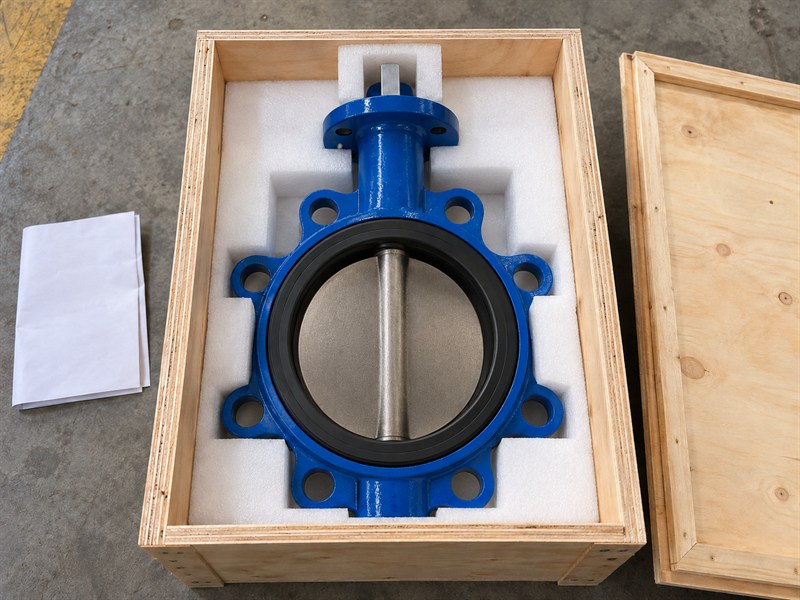
Packing should protect sealing surfaces, drive components, and interfaces during the agreed storage and transport conditions. Include the manufacturer's storage and installation instructions, and retain the approved orientation requirements with the site documents. Packing is part of the delivery requirement; it cannot repair missing acceptance evidence.
Which unresolved items should stop release?
Use the agreed hold-point and concession process. A commercial deadline should not silently change the accepted product, test requirement, or document scope.
| Release item | Evidence required |
|---|---|
| Inspection completion | Accepted results and closed discrepancies |
| Product match | Identification, configuration, and supplied-parts check |
| Delivery package | Packing, protection, records, and instructions |
Send the order and inspection requirements when you contact RUITO for a review. Agree the release checklist before the production schedule is committed.
10. What butterfly valve JIS 10K inspection questions come up?
Q1: Can a supplier's catalogue replace the approved drawing?
No; use the butterfly valve JIS 10K drawing and configuration accepted for the actual order. A catalogue may cover several sizes, constructions, materials, or operators with different dimensions and limits.
Q2: Does a smooth manual stroke prove the valve seals?
No. Movement and seat-leakage checks answer different questions. Review the specified leakage test conditions and results for the identified valve, alongside the functional checks.
Q3: Can a generic material certificate cover the shipment?
Only if it meets the order's required scope and traceability arrangement. Check that its references connect to the supplied components or accepted batches. Resolve gaps before release.
Q4: Should a test pressure be used as the working rating?
No. Test conditions and operating limits have separate purposes. Confirm the body pressure–temperature rating, seat differential, materials, and connection limits for the actual service.
Q5: What should happen after a failed inspection?
Document the discrepancy, obtain the agreed technical disposition, complete the correction, and perform the required reinspection or retest. Keep the final accepted evidence linked to the affected valve.