
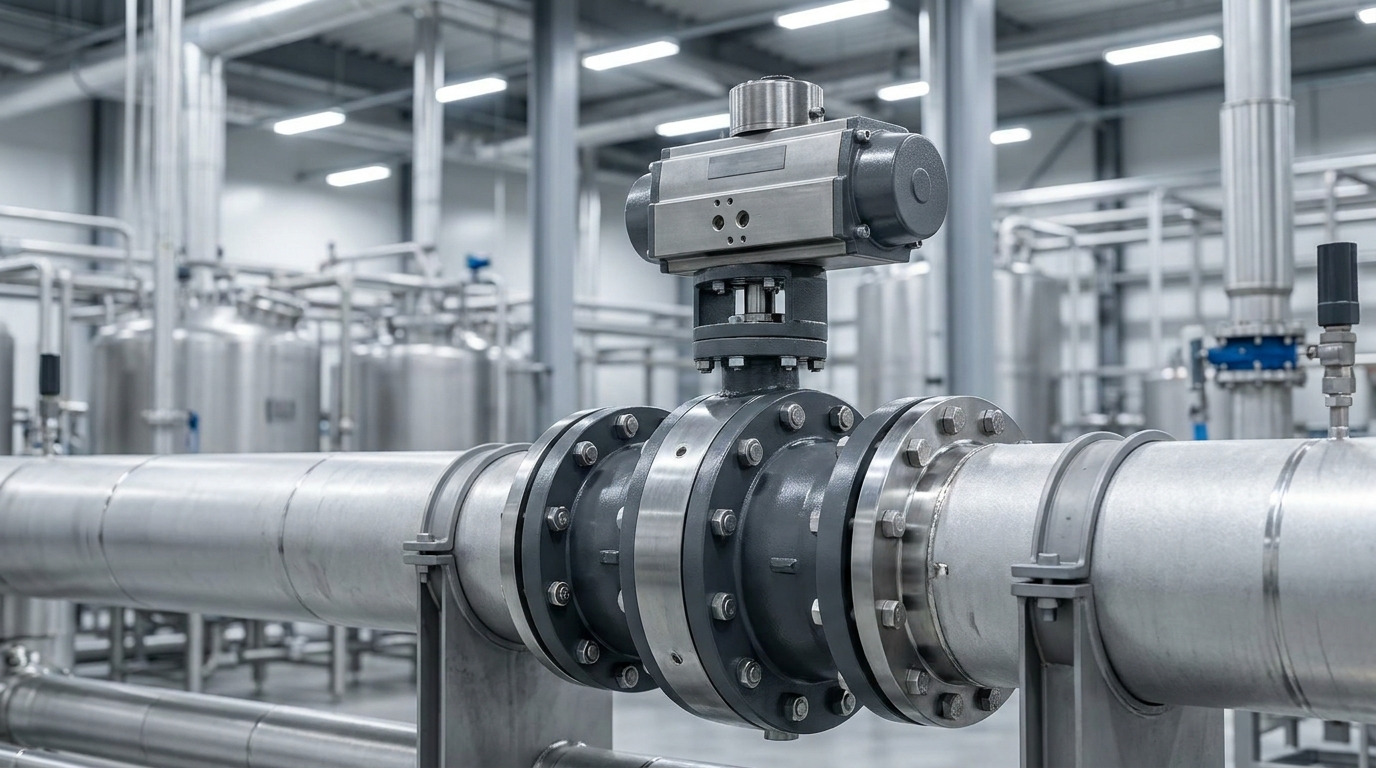
The main difference between these two valves lies in their ability to handle extreme pressures, high temperatures, and corrosive materials effectively. Leaky pipes cause constant shutdowns, leaving your plant managers frustrated and your maintenance budgets entirely drained. That unexpected downtime ruins productivity while putting your crew at severe risk of dangerous chemical exposure. You can solve this messy problem by learning the core engineering distinctions of a high performance butterfly valve vs butterfly valve, allowing you to specify exactly what your pipeline needs. Understanding these critical hardware choices ensures your fluid control systems run smoothly without catastrophic failures.
What is a high performance butterfly valve vs butterfly valve?
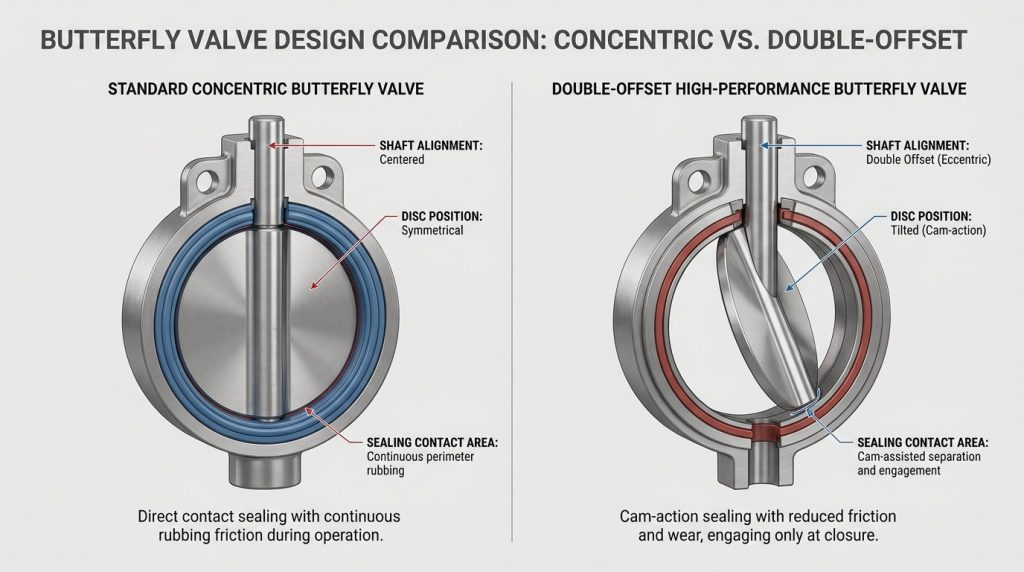
A basic butterfly valve uses a simple elastomer seat for standard low-pressure jobs, whereas the high-performance version utilizes double-offset geometry and specialized seats for extreme environments. Grasping the true difference of a high performance butterfly valve vs butterfly valve requires looking closely at how they manage torque and sealing pressure. You save money initially with standard designs, but heavy-duty applications demand rugged engineering. Upgrading materials prevents leaks from ruining your daily operations.
Understanding Basic Valve Design
General service models rely heavily on rubber seats that stretch across the body cavity. This setup works perfectly for clean water or basic air lines where conditions remain relatively calm. Here is the deal, operators love these units because they install quickly and cost very little to replace. Standard parts fail rapidly if exposed to harsh abrasives.
- Simple 10-position handles allow manual operation.
- Central shaft placement keeps manufacturing costs very low.
- Rubber elastomer seats handle maximum pressures around 285 PSI.
When to Choose High-Performance
Engineers specify ruggedized versions whenever standard elastomer seats start disintegrating under industrial stress. You need tough gear when processing abrasive slurries or boiling steam. What is the real story? PTFE and graphite components survive environments that melt ordinary rubber.
Key Takeaway: Selecting the right configuration means matching your fluid’s chemical aggressiveness directly with the correct sealing material to avoid premature blowout.
| Feature | Standard Valve | High-Performance |
|---|---|---|
| Seat Material | Elastomer / Rubber | PTFE / Graphite |
| Geometry | Concentric | Double or Triple Offset |
| Typical Cost | Very Low | Moderate to High |
This comparison highlights how engineered seals dramatically alter the operational limits of your pipeline infrastructure.
Why pick high performance butterfly valve vs butterfly valve?
You choose the upgraded model because standard concentric designs physically cannot contain superheated steam or volatile hydrocarbons safely. Analyzing a high performance butterfly valve vs butterfly valve shows that offset disc geometries radically reduce friction during operation. Less friction means your automated actuators work flawlessly without burning out motors. Your heavy industries depend on this reliability daily.
Examining Pressure Capabilities
Standard options tap out quickly once line pressure spikes beyond normal municipal water levels. You risk catastrophic seal blowouts if you push basic rubber beyond its specified threshold. Ready for the good part? Advanced offset configurations easily hold back 1,440 PSI without flinching.
- Standard units cap out near 285 PSI safely.
- Offset designs handle intense pressure spikes efficiently.
- Thicker body castings prevent rupture under severe stress.
Temperature Tolerance Limits?
Basic rubber components harden and crack when subjected to freezing cryogenic fluids or superheated processing steam. Metal-seated variations withstand temperature swings that destroy normal elastomeric materials entirely. You might be wondering, how do they survive such heat? Specialized graphite layers provide tight shut-offs even at 1,200 degrees Fahrenheit.
Key Takeaway: Always verify your maximum operating temperature against the manufacturer’s seat material guidelines before installing any new pipeline hardware.
| Condition | Basic Elastomer | Graphite/Metal Seat |
|---|---|---|
| Max Temp | ~250°F | Up to 1,200°F |
| Min Temp | ~0°F | Down to -320°F |
| Application | Water/HVAC | Steam/Cryogenics |
Upgrading seat materials significantly expands the thermodynamic boundaries your fluid network can safely manage.
How does high performance butterfly valve vs butterfly valve seal?
The standard unit seals by mashing a disc into a soft rubber lining, while the advanced version uses cam-action to press against a rigid polymer or metal seat. Evaluating how a high performance butterfly valve vs butterfly valve achieves tight shut-off reveals massive differences in longevity. Offset designs lift the disc away from the seat instantly upon opening. This smart mechanical action prevents continuous rubbing and premature wear.
Elastomer Seats in Standard Valves
Rubber linings wrap entirely around the inside bore to protect the metal body from internal corrosion. This clever design eliminates the need for expensive stainless steel bodies in basic water applications. This is where it gets interesting, the rubber eventually loses memory and fails to seal completely.
- Elastomers provide bubble-tight sealing at low pressures.
- Friction occurs constantly as the disc moves.
- Replacement requires pulling the entire unit from the line.
Resilient Materials for Tough Jobs
PTFE offers incredible chemical resistance against harsh acids that would instantly dissolve regular rubber. Engineers rely on these engineered plastics to handle nasty petrochemicals safely. But here is the kicker, these rigid seats require more torque to achieve a perfect seal.
Key Takeaway: Understand that switching to rigid polymers provides chemical safety but often demands larger automated actuators to overcome increased friction.
| Seal Type | Friction Level | Chemical Resistance |
|---|---|---|
| EPDM Rubber | High continuous | Low to Moderate |
| PTFE Polymer | Low cam-action | Extremely High |
| Solid Metal | Very Low | Perfect |
Smart seating mechanics reduce operational friction while simultaneously boosting the system’s overall chemical compatibility.
Which fits: high performance butterfly valve vs butterfly valve?
The right fit depends entirely on your pipe diameter, expected fluid velocities, and the chemical makeup of your process media. Determining whether a high performance butterfly valve vs butterfly valve fits your plant involves measuring the exact physical constraints of your piping layout. Standard units stop at around thirty inches in diameter for commercial production. Upgraded double-offset versions scale up to massive sixty-inch sizes for municipal water grids.
Sizing Up Your Pipeline Needs
Smaller commercial HVAC systems run perfectly fine on basic wafer-style bodies bolted between standard flanges. Space limitations frequently dictate using these thin profiles inside crowded mechanical rooms. Here is the deal, massive industrial plants require heavy lug-style bodies to secure vibrating pipes.
- Wafer styles save space and reduce bolt lengths.
- Lug styles allow dead-end service for maintenance.
- Flanged bodies provide maximum stability for huge diameters.
Handling Corrosive Media Demands
Pumping corrosive acids requires internal components that refuse to degrade under constant chemical attack. Stainless steel discs paired with Teflon seats create an impenetrable barrier against harsh industrial solvents. What is the real story? Cheap iron parts rust immediately when exposed to caustic chemical streams.
Key Takeaway: Never guess regarding chemical compatibility; always consult detailed material resistance charts before selecting your wetted components.
| Media Type | Recommended Valve | Typical Seat |
|---|---|---|
| Clean Water | Standard Concentric | EPDM |
| Corrosive Acid | High-Performance | PTFE |
| Steam | High-Performance | Metal |
Matching your media properties directly to the structural materials prevents dangerous leaks and expensive emergency shutdowns.
Can a high performance butterfly valve vs butterfly valve fail?
Both types can fail, but advanced models survive significantly longer under harsh industrial punishment than basic rubber-lined units. Any mechanic studying a high performance butterfly valve vs butterfly valve notices how cavitation destroys cheap discs rapidly. You must monitor your flow rates constantly to prevent abrasive wear from destroying the internal hardware. Proper maintenance schedules prevent minor leaks from becoming catastrophic facility disasters.
Common Wear and Tear Issues
Constant throttling creates turbulent flows that slowly eat away at the edges of the metal disc. Abrasive sand or grit suspended in your fluid acts like sandpaper against soft rubber linings. Ready for the good part? Hardened steel discs resist this mechanical erosion much better than standard cast iron.
- Cavitation pits the metal surfaces over time.
- Elastomers tear if solid debris becomes trapped.
- Stem packing degrades from constant cyclic rotation.
Preventing Fugitive Emissions
Strict environmental regulations fine facilities heavily if dangerous gases escape through worn stem packings. Advanced units feature live-loaded packing glands that automatically adjust to maintain a tight seal. You might be wondering, why do standard valves leak gas? Simple O-rings fail quickly under high-cycle automation.
Key Takeaway: Investing in specialized stem sealing technology protects your workers from toxic fumes and shields your company from severe regulatory penalties.
| Failure Mode | Standard Valve Risk | High-Performance Risk |
|---|---|---|
| Seat Tear | High (due to friction) | Low (cam-action) |
| Stem Leak | Moderate (simple O-ring) | Very Low (V-ring packing) |
| Disc Erosion | High (cast iron) | Low (stainless steel) |
Proactive equipment upgrades directly reduce the likelihood of mechanical failures that release dangerous substances into your workspace.
Is a high performance butterfly valve vs butterfly valve safer?
Yes, the advanced model provides far superior safety margins when handling dangerous chemicals, extreme heat, or volatile petroleum products. Safety auditors comparing a high performance butterfly valve vs butterfly valve always recommend the offset design for critical isolation tasks. You cannot afford to risk human lives by installing cheap hardware on dangerous high-pressure steam lines. Engineered seating guarantees positive shut-off even during severe facility emergencies.
Extreme Cold and Heat Safety
Liquid nitrogen processing requires extended valve necks to keep freezing temperatures away from the actuator mechanisms. Without this thermal barrier, automated controls freeze solid and refuse to operate during emergencies. This is where it gets interesting, metal seats maintain their structural integrity inside blazing refinery fires.
- Cryogenic necks prevent ice buildup on manual handles.
- Fire-safe designs utilize secondary metal seals.
- Graphite packing refuses to melt under direct flame.
Managing High-Pressure Risks?
Sudden pressure hammers can physically blow a standard rubber seat straight out of the piping system. High-performance models mechanically lock the rigid seat into the steel body cavity securely. But here is the kicker, this captured seat design prevents catastrophic blowouts during violent pressure spikes.
Key Takeaway: Protecting your critical infrastructure requires hardware designed specifically to survive extreme thermodynamic shocks without losing containment.
| Safety Feature | Basic Design | Advanced Design |
|---|---|---|
| Fire-Safe Rating | No | Yes (API 607) |
| Blowout Proof | No | Yes |
| Cryo Extension | Rarely Available | Standard Option |
Upgrading to fire-safe and blowout-proof configurations guarantees your safety systems function properly when disasters strike your facility.
What costs high performance butterfly valve vs butterfly valve?
Standard models cost significantly less upfront, while engineered double-offset designs require a larger initial capital investment from your procurement team. The financial debate surrounding a high performance butterfly valve vs butterfly valve must factor in unexpected maintenance downtime. Buying cheap hardware saves pennies today but costs thousands in lost production tomorrow. You achieve better long-term ROI by installing durable equipment that rarely requires servicing.
Initial Investment Differences
Molded rubber and cast iron components allow factories to mass-produce standard units extremely cheaply. Commercial plumbers buy these bulk units because building contractors demand rock-bottom pricing for basic HVAC systems. Here is the deal, precision-machined stainless steel parts inherently cost more to manufacture.
- Basic units fit tight construction budgets easily.
- Offset designs require complex machining processes.
- Specialty alloys dramatically increase base purchasing prices.
Long-Term Maintenance Expenses
Frequent seat replacements require draining the entire pipe network, costing you valuable production hours. Advanced cam-action geometry prevents the constant scraping that destroys standard seals quickly. What is the real story? Spending more upfront drastically reduces your annual maintenance labor budgets.
Key Takeaway: Calculate the total lifecycle cost of your pipeline hardware rather than focusing purely on the initial purchase order price.
| Cost Factor | General Service | High-Performance |
|---|---|---|
| Upfront Price | Very Low | Moderate to High |
| Maintenance Freq | High | Very Low |
| Lifecycle Cost | High | Low |
Strategic purchasing decisions rely on understanding how durable equipment slashes long-term labor and operational downtime expenses.
Where use high performance butterfly valve vs butterfly valve?
You use standard units in basic commercial plumbing, while advanced designs dominate heavy chemical processing and massive power generation plants. Placing a high performance butterfly valve vs butterfly valve into the correct facility ensures optimal flow control without premature failure. Your utility grids require robust hardware that withstands constant daily abuse. Heavy industries demand engineered solutions that simple rubber parts cannot provide.
Water Treatment and Utilities
Municipal pumping stations generate massive water pressures that overwhelm standard concentric sealing mechanisms. Large diameter offset designs handle these immense hydrostatic forces while maintaining perfect isolation. Ready for the good part? They actuate smoothly even when buried deep underground in confined utility vaults.
- High pressure municipal lines require rugged seats.
- Large bore sizes manage massive fluid volumes.
- Double offset geometry prevents sticking after years inactive.
Chemical and Petrochemical Sites
Refineries process volatile hydrocarbons that demand perfect sealing to prevent explosive atmospheric conditions. PTFE seats resist the nasty corrosive traits found in raw petroleum processing. You might be wondering, do these handle abrasive catalysts? Hardened discs manage abrasive slurries efficiently without pitting.
Key Takeaway: Matching the specific industrial sector demands to the correct valve architecture prevents dangerous chemical spills and environmental fines.
| Industry | Primary Need | Best Choice |
|---|---|---|
| Commercial HVAC | Low Cost, Space Saving | General Service |
| Power Generation | High Temp Steam | High-Performance |
| Petroleum Refining | Chemical Resistance | High-Performance |
Deploying the correct structural geometry guarantees your facility complies with strict industry safety and environmental regulations.
Who needs high performance butterfly valve vs butterfly valve?
Plant engineers, refinery managers, and utility directors need these upgraded designs to guarantee facility safety and maintain continuous heavy production. Deciding who requires a high performance butterfly valve vs butterfly valve comes down to assessing operational risks. If your fluid control failure results in factory shutdowns, you need the heavy-duty option. Commercial contractors pumping clean chilled water can safely stick with standard models.
Identifying Industrial Profiles
Power plants running superheated steam cannot afford a single catastrophic pipeline breach during peak generation hours. Petrochemical engineers specify rigid seating to handle acids that destroy conventional rubber instantly. This is where it gets interesting, even modern food processing plants upgrade to avoid frequent maintenance downtime.
- Power plant engineers demand steam-rated hardware.
- Chemical facility managers require volatile media containment.
- Municipal utility directors need large-scale high-pressure control.
Upgrading Standard Pipelines
Many older factories suffer constant leaks because previous engineers installed cheap hardware on demanding lines. Upgrading these troublesome junctions with double-offset technology instantly solves chronic maintenance headaches. But here is the kicker, the face-to-face dimensions often match perfectly, making retrofits incredibly simple.
Key Takeaway: Facility managers should actively replace failing standard units with engineered offset versions to eliminate repetitive plumbing failures entirely.
| User Profile | System Challenge | Solution Required |
|---|---|---|
| HVAC Contractor | Tight Budgets | Standard Valve |
| Plant Manager | Chronic Leaks | Upgrade to Offset |
| Safety Auditor | Fugitive Emissions | High-Performance |
Targeting specific operational pain points allows maintenance teams to justify the cost of upgrading critical fluid control infrastructure.
How size high performance butterfly valve vs butterfly valve?
You size the unit by matching the nominal pipe diameter, calculating expected flow velocities, and determining the required actuation torque. Properly sizing a high performance butterfly valve vs butterfly valve prevents dangerous pressure drops that starve your downstream equipment. You must provide enough torque to overcome the increased friction of rigid polymer seats. Undersized actuators will fail to close the disc during a high-pressure emergency.
Measuring Bore and Torque Specs
Rigid PTFE seats demand significantly more rotational force to achieve a bubble-tight seal than soft rubber. You must calculate the maximum differential pressure to size the automated actuator correctly. Here is the deal, undersized pneumatic motors stall before fully seating the disc.
- Calculate torque based on maximum line pressure.
- Account for rigid seat friction coefficients.
- Match face-to-face dimensions for easy pipe installation.
Selecting Actuation Mechanisms
Small diameter units handle manual gear operators without fatiguing the maintenance crew during routine checks. Massive sixty-inch units require heavy-duty electric or hydraulic actuators to move the heavy steel disc. What is the real story? Proper automation ensures consistent cycling speeds and prevents destructive water hammer effects.
Key Takeaway: Accurately calculating torque requirements guarantees your automated control systems operate flawlessly under maximum fluid pressure conditions.
| Size Range | Typical Actuation | Torque Demand |
|---|---|---|
| 2″ to 8″ | Manual Lever / Small Pneumatic | Low to Moderate |
| 10″ to 24″ | Gear Operator / Electric | High |
| 30″+ | Heavy Hydraulic / Massive Electric | Extremely High |
Properly sizing your mechanical actuators prevents expensive motor burnouts and ensures reliable emergency pipeline isolation.
Final Thoughts on Valve Selection Strategies
Selecting proper pipeline hardware prevents disastrous industrial leaks and keeps your maintenance crew working efficiently. We know that balancing upfront costs against long-term reliability dictates the success of your fluid control networks. Our team provides ruggedly engineered solutions that withstand severe pressures while outlasting standard commercial options. Contact us today to build a safer, more efficient processing facility with top-tier fluid control technology.
FAQ
Q1: Can I use standard valves for chemicals?
No, you cannot. Standard elastomer seats quickly degrade when exposed to harsh chemicals, causing dangerous leaks and requiring frequent replacement.
Q2: What’s the best way to handle high pressure?
Use a high-performance double-offset design. This specific geometry locks a rigid seat into the body, handling pressures up to 1,440 PSI securely.
Q3: How do I know if I need a graphite seat?
You need graphite if your temperatures exceed 400 degrees Fahrenheit. Rubber and PTFE melt at these extremes, whereas graphite maintains perfect structural integrity.
Q4: Can I upgrade my existing piping system?
Yes, you can upgrade easily. Most high-performance units share identical face-to-face dimensions with standard models, allowing seamless drop-in replacements during maintenance.
Q5: What’s the best material for extreme heat?
Metal seats paired with graphite seals are best. This combination effortlessly manages superheated steam and handles volatile petrochemicals during refinery fires.